



The U.S. Department of Justice has charged a German citizen alleged to be the main administrator of Dream Market, one of the most prominent darknet marketplaces, with laundering over $2 million in cryptocurrency proceeds into gold bars shipped to his home in Germany.
The U.S. Attorney’s Office for the Northern District of Georgia announced on May 13, 2026 that Owe Martin Andresen was indicted on 12 counts: six counts of international concealment money laundering and six counts of concealment money laundering. A federal grand jury had returned the indictment on January 13, 2026.
Andresen is alleged to have operated Dream Market under the handle “Speedstepper.” The DOJ noted that the indictment contains allegations and that the defendant is presumed innocent unless proven guilty.
TLDR KEY POINTS
- Owe Martin Andresen faces 12 money laundering counts in a U.S. federal indictment for allegedly converting Dream Market crypto into gold bars.
- Authorities seized approximately $1.7 million in gold bars and identified roughly $1.2 million more in bank accounts and crypto wallets during May 7 raids in Germany.
- The case highlights how dormant darknet wallets remain traceable years after a marketplace shuts down.
How The Alleged Crypto-To-Gold Laundering Path Worked
Prosecutors allege Andresen accessed dormant Dream Market wallets in November and December 2022, years after the marketplace went offline in 2019. He then allegedly used an Atlanta-based cryptocurrency service provider in August 2023 to purchase gold bars, which were shipped to his residence in Germany.
The alleged laundering activity spanned from August 2023 through April 2025, totaling over $2 million. By converting cryptocurrency into physical bullion, the scheme allegedly sought to move value off-chain and into a tangible asset harder to trace through traditional financial surveillance.
Why Gold Creates A Regulated Chokepoint
Gold holds value without requiring a bank account and does not generate the same digital trail as wire transfers, making it an attractive conversion target. However, the purchase point, in this case the Atlanta-based crypto service provider, created the regulated touchpoint that investigators used to reconstruct the alleged flow.
On-chain transactions on Bitcoin’s public blockchain remain permanently visible. Once funds convert into a physical asset, the trail depends on records kept by the intermediary. The DOJ’s case suggests the crypto service provider’s records were central to building the indictment, a pattern blockchain analytics firms like Chainalysis have highlighted as key to darknet enforcement.
Raids Turned Up $1.7 Million In Gold And Additional Assets
On May 7, 2026, German and U.S. authorities conducted coordinated searches at three locations in Germany. Law enforcement found approximately $1.7 million in gold bars, over $23,000 in cash, and evidence of approximately $1.2 million in additional assets held across bank accounts and crypto wallets tied to Dream Market proceeds.
The Record independently reported that Andresen was arrested during the May 7 operation and will face prosecution in both Germany and the United States. Each U.S. laundering count carries up to 20 years in prison, while the parallel German charges carry up to five years each.
The cross-border nature of this enforcement action reflects a broader pattern of international regulatory coordination. As institutions ranging from SBI Securities and Rakuten Securities planning crypto investment trusts to Italy’s largest bank doubling its crypto holdings expand their digital asset exposure, regulators have simultaneously intensified efforts to trace illicit fund flows across jurisdictions.
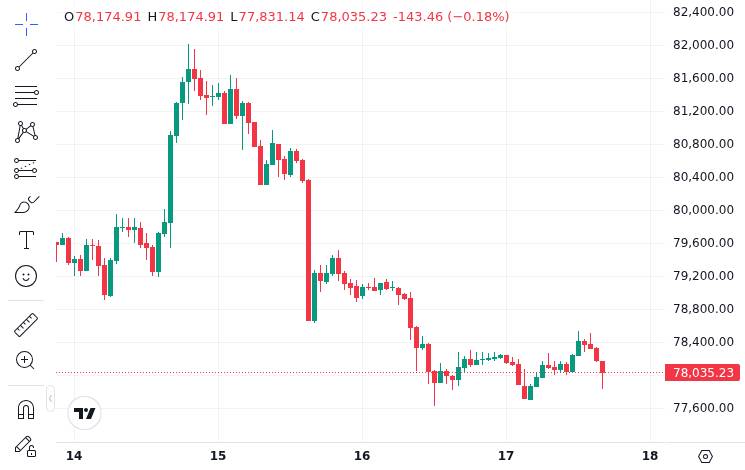
Bitcoin traded at $78,013 at press time, with a market capitalization of approximately $1.56 trillion.
What This Case Signals For Crypto Enforcement
The Andresen indictment illustrates a core vulnerability for anyone attempting to launder cryptocurrency: public blockchains preserve a permanent record. Even wallets that sit dormant for years can be linked to their operators when funds eventually move through a regulated service provider.
For compliance teams at exchanges and crypto service providers preparing for institutional growth, the case underscores the risk of processing transactions tied to known darknet wallets. The Atlanta-based provider at the center of this case effectively became the bridge connecting on-chain evidence to a physical identity.
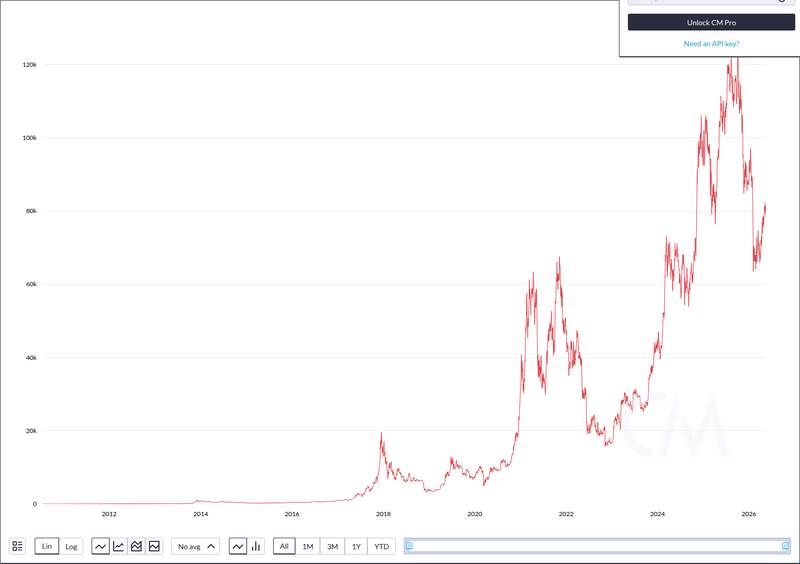
Illicit activity represents a small fraction of total cryptocurrency transaction volume, a point blockchain analytics firms have consistently reinforced. The broader crypto market’s Fear & Greed Index currently sits at 27, reflecting a “Fear” reading, but the sentiment is driven by macroeconomic factors rather than any single enforcement action.
Andresen’s next court appearances in both Germany and the United States will determine whether the case proceeds to trial or results in a plea agreement. Each of the 12 U.S. counts carries a maximum sentence of 20 years.
Disclaimer: This article is for informational purposes only and does not constitute financial or investment advice. Cryptocurrency and digital asset markets carry significant risk. Always do your own research before making decisions.