


Tether plans a Georgian lari-backed stablecoin with support from the Georgian government, signaling a notable step in local-currency digital asset expansion.

Tether plans a Georgian lari-backed stablecoin with support from the Georgian government, signaling a notable step in local-currency digital asset expansion.

OSL has listed USDKG, a state-supervised gold-backed stablecoin. This outline focuses on the listing, the asset’s structure, and why the launch matters.

Stablecoin supply has surpassed $300 billion, but expansion is losing momentum as Tether captures more market share while rival issuers struggle to keep pace.

Zerohash has secured an EMI license under MiCA, positioning its stablecoin and brokerage services for a regulated expansion across Europe.

Solayer has launched a Visa-compatible physical card for USDC payments, adding in-store, online, contactless and ATM access to its Solayer Pay stack.

Coinbase has extended its Hyperliquid partnership to improve USDC transactions for onchain trading, highlighting faster stablecoin movement and deeper trading utility.
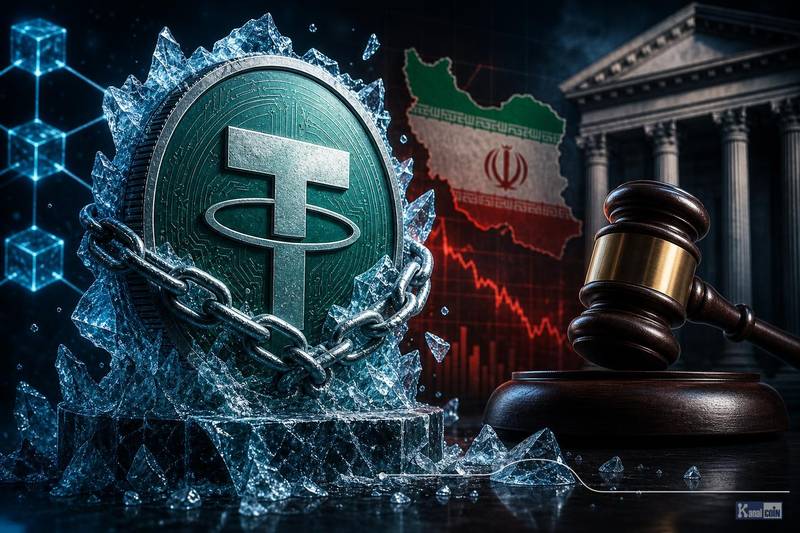
Victims of Iran-sponsored attacks seek a court order over $344 million in Tether-frozen USDT, spotlighting legal recovery and stablecoin control claims.

Upbit has added Superform (UP2) trading support across KRW, BTC, and USDT markets. Here is what the listing means, which pairs are included, and what traders should watch next.

A Japanese enterprise blockchain is preparing a yen stablecoin for B2B settlements, focusing attention on issuance details, business use and rollout plans.

Corpay is adding stablecoin wallets and settlement capabilities through a BVNK partnership, signaling a new step in enterprise crypto payments infrastructure.
USDC Treasury minted 250 million USDC. Track what the stablecoin issuance means, why treasury mints matter, and what traders should watch next.

Lodz, Poland, 7th May 2026, Chainwire

A lawsuit accuses Coinbase of refusing to return stolen DAI. Here is what the filing reference shows, what remains unverified, and what to watch next.
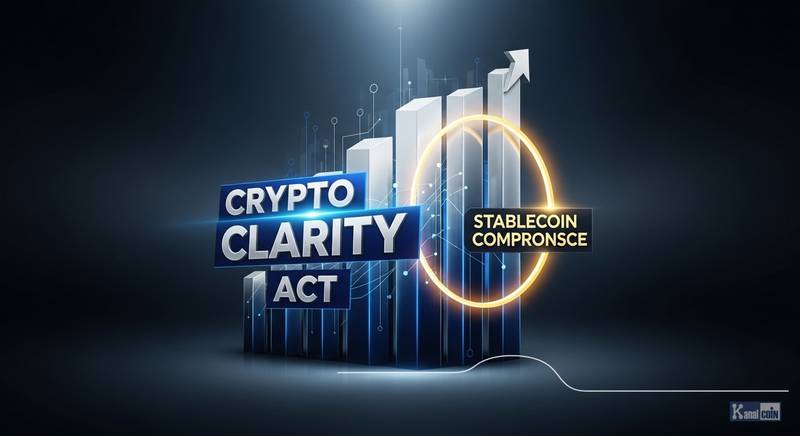
The Crypto CLARITY Act moved forward after a stablecoin compromise broke a legislative impasse. Here’s what changed, why it matters, and what comes next.
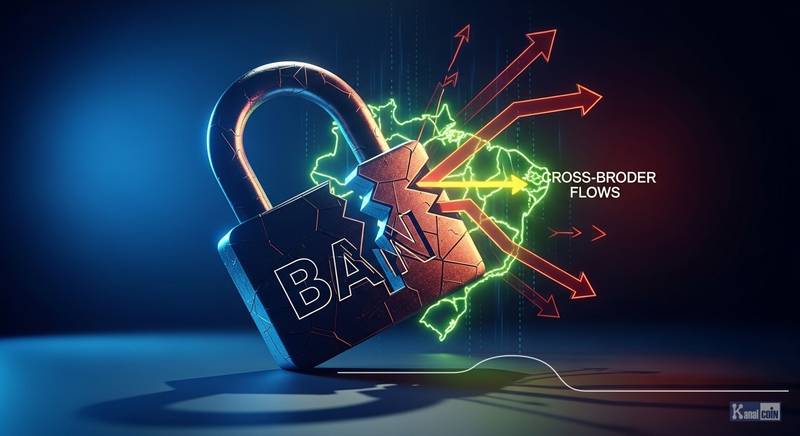
Brazil’s central bank is moving to ban stablecoin and crypto settlement in cross-border payments, raising broader compliance questions for payment flows.
Coinbase says a deal on CLARITY Act stablecoin-yield language has been reached, potentially clearing the way for Senate markup. Here is the immediate policy and market focus.

Shinhan Card is set to test stablecoin payments on Solana, highlighting a new blockchain payments pilot and what it could mean for digital asset adoption.
Meta is reportedly launching creator payouts through Stripe using USDC. Here is what the move could mean for creator monetization and crypto payments.

Stables and eStable have partnered on stablecoin issuance rails in Asia. Here’s what the deal covers, why it matters, and what to watch next.

Western Union plans a USD stablecoin launch in May 2026. This outline focuses on the timeline, product positioning, and what the move signals for crypto markets.
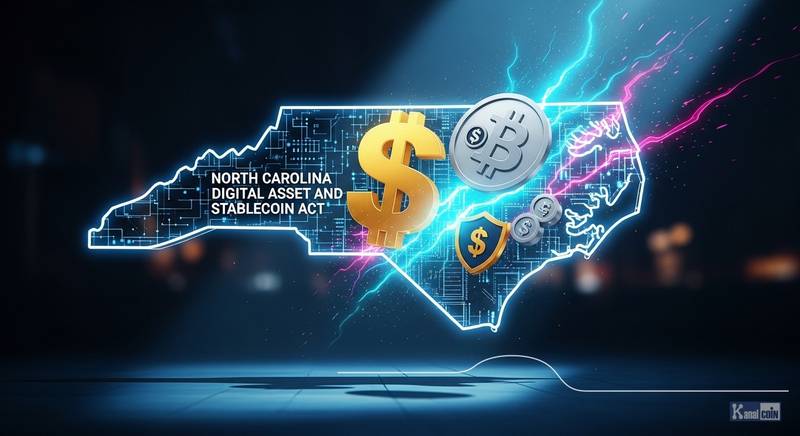
North Carolina lawmakers have introduced the Digital Asset and Stablecoin Act, putting state-level crypto and stablecoin policy in focus.

MoonPay has launched fiat-to-stablecoin virtual accounts in New York, aiming to simplify dollar funding, conversion, and stablecoin access for users in the state.

Tether freezes 344 million USDT across two addresses. This outline focuses on what happened, why it matters, and what crypto readers should watch next.

Credit Bank PLC and Anzens are piloting the USDA stablecoin in Kenya. Learn what the partnership covers and the key angles to watch next.
Tether Treasury minted 1 billion USDT, a move Southeast Asian crypto traders watch closely for liquidity signals, exchange flows, and stablecoin demand.

Tempo has unveiled private stablecoin zones aimed at enterprise payroll and treasury settlements. Here is the news angle, business use case, and what to watch next.

Circle CEO Jeremy Allaire reportedly sees major potential for a yuan stablecoin. Here is what the remark could mean for crypto markets and stablecoin strategy.

Senator Thom Tillis said he is ‘guardedly optimistic’ on stablecoin legislation and expects to schedule a markup, signaling possible momentum in Congress.

Atlas has gone live on Rootstock with support for BTC, ETH, USDC, and additional assets. Here is what the launch means for Rootstock users and Bitcoin DeFi.

Paxos Labs has raised $12M to launch its Amplify Digital Asset Suite for US platforms, highlighting fresh momentum in digital asset infrastructure.
Aave DAO executed Proposal 469, approving a $25M stablecoin grant and 75,000 AAVE for Aave Labs while locking in a revenue control model for Aave-branded products.

Circle has introduced a managed stablecoin settlement platform for institutions, signaling a deeper push into enterprise crypto payments and settlement infrastructure.
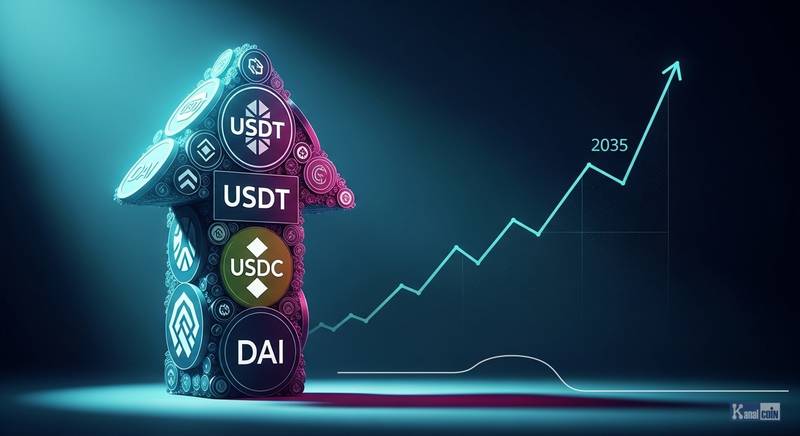
Chainalysis says stablecoin volume could hit $719 trillion by 2035, with upside to $1.5 quadrillion as payments adoption and regulation expand worldwide.

Chainalysis, FATF and U.S. Treasury evidence indicates Iran already uses stablecoins for oil sales, weapons procurement and commodity trade.

Oil-price shock from Iran war fears is reviving the inflation trade. Here is why that matters for risk assets and the emerging stablecoin angle.

Circle has introduced CPN Managed Payments, enabling banks and PSPs to settle in USDC without directly holding crypto. Here is what it means for operations, compliance, and adoption.
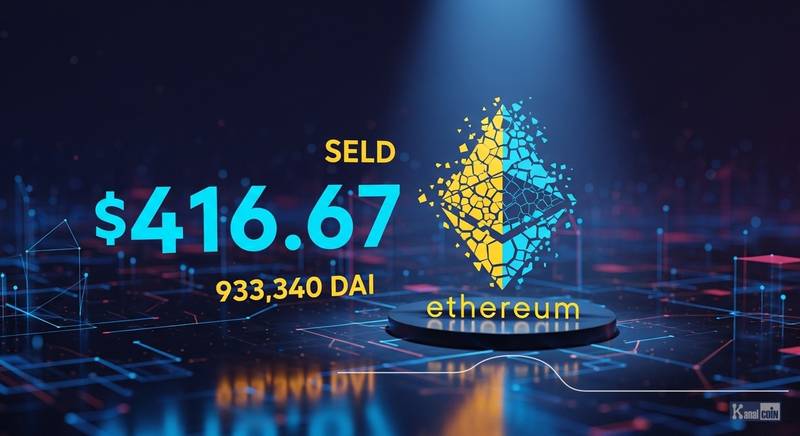
The Ethereum Foundation sold 416.67 ETH for 933,340 DAI at $2,240. Here is what the transaction may signal for ETH sentiment and near-term market focus.

Crypto hedge fund Split Capital is winding down as its founder moves into an executive role at stablecoin startup Plasma, signaling a notable leadership shift in crypto finance.

Japan’s stablecoin rules under the Payment Services Act limit issuance to banks, trusts and fund transfer firms, with JPY models and USDC access now emerging.

The crypto market structure bill release has been pushed back as industry attention turns to a revised stablecoin yield compromise and its policy implications.

Delphi Digital co-founder Tommy Shaughnessy criticized Circle for not freezing USDC allegedly linked to the Drift exploit. Here is the focused outline.

Standard Chartered says the stablecoin market could reach $2 trillion by 2028, with up to $1 trillion in new T-bill demand and faster velocity trends.
A high-profile US stablecoin bill has stalled after internal crypto industry and partisan disputes derailed its momentum, drawing sharp public frustration from lawmakers pushing to finalize regulation.

Learn how to accept crypto and stablecoin payments for your business. Compare top payment gateways, wallet options, and what you need to know about USDT, USDC, and volatile crypto acceptance.

Circle’s stock fell 18% after a new draft of the Clarity Act included language that would ban stablecoin issuers from offering yield or rewards to holders, putting Circle’s IPO and USDC business model at risk.

Circle is pressing the European Union to fast-track distributed ledger technology reforms and widen stablecoin settlement rules, arguing that current MiCA-era restrictions limit euro-denominated digital asset competitiveness.

Resolv Labs confirmed a March 22, 2026 exploit where an attacker minted 80 million unbacked USR tokens via a compromised AWS KMS key, crashing USR to $0.025 on Curve and extracting roughly $25M converted to 11,400 ETH.
Resolv Labs suspended its DeFi protocol after a $23 million exploit caused its USR stablecoin to lose its dollar peg. Here is what happened and what it means for users.