


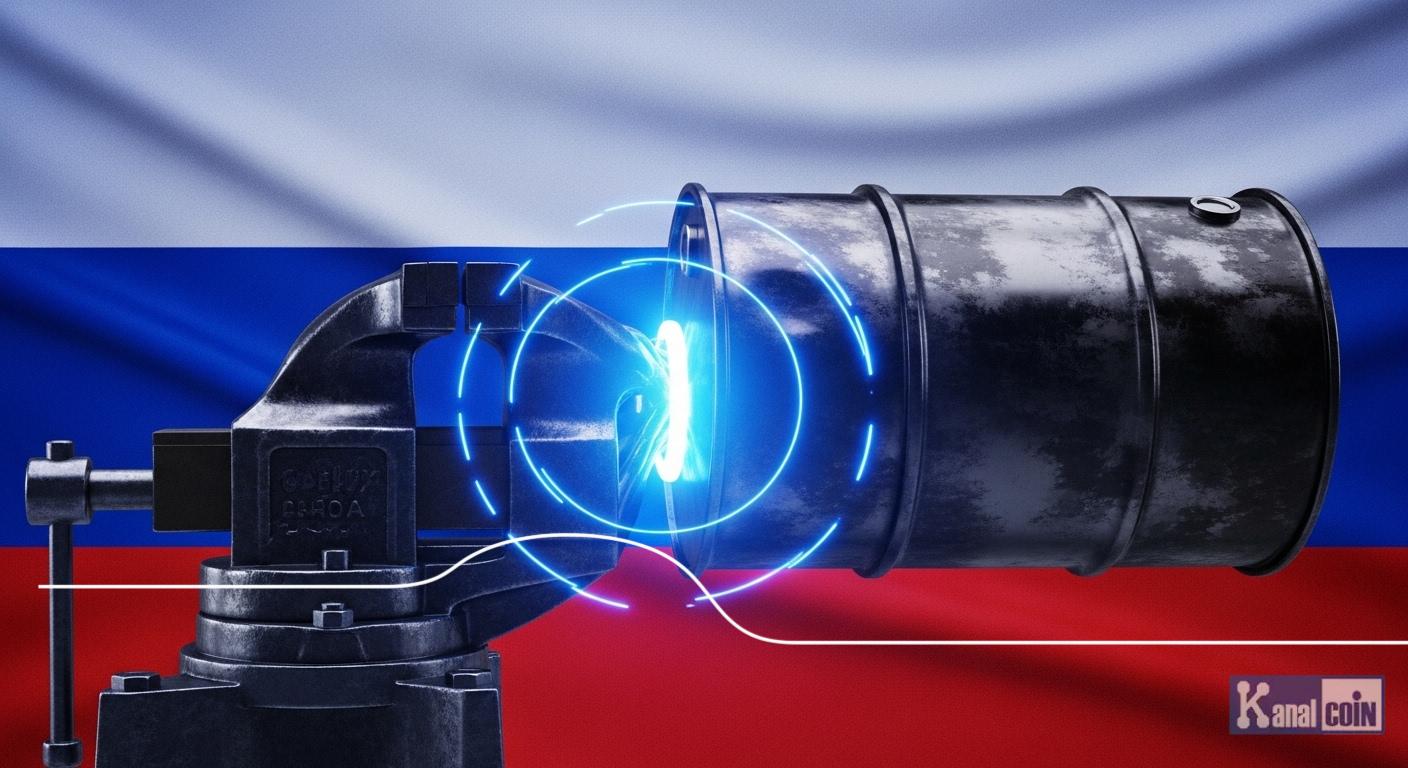
What changed: sanctions, tariffs, price-cap enforcement complicate Indian buys
India’s Russian crude purchases now face intertwined hurdles: tighter sanctions screening on counterparties, constraints on shipping and insurance, and G7 price cap enforcement shaping access to key maritime and financial services. These frictions elevate secondary sanctions risk and make each cargo more documentation-heavy, especially when traders rely on Western insurers, banks, and shippers.
Diplomatic pressure adds a trade layer. As reported by MSN, External Affairs Minister S. Jaishankar condemned a proposed 25% U.S. tariff on Indian goods linked to Russian oil as “unjustified,” underscoring that tariff exposure can outlive any single cargo and influence broader market access and export economics.
Why it matters: compliance costs, trade access, diplomatic risk
Compliance processes, entity-level screening, counterparty diligence, and G7 price cap attestations, translate into higher transaction costs, longer cycle times, and potential demurrage when paperwork is incomplete. Even when Urals crude discount economics look attractive, incremental insurance clauses, banking checks, and routing detours can erode margins and complicate settlement flows.
India’s leadership frames energy choices in risk-adjusted terms, balancing affordability with geopolitical headwinds. “Decisions on energy imports are made based on availability, cost, and risk,” said S. Jaishankar, External Affairs Minister of India.
Immediate impact on refiners, sourcing mix, and export routes
State-run and private refiners are prioritizing legal certainty alongside price. According to Indian Oil Corporation (IOC), Russian barrels remain in the slate when sourced from non‑sanctioned entities and moved under shipping and insurance that comply with applicable U.S. and EU measures, signaling a continued but more selective approach to Russian grades.
India’s sourcing mix is also shifting. As reported by Discovery Alert, crude purchases from Saudi Arabia are slated to reach roughly 1.0–1.1 million barrels per day by February 2026, indicating a parallel buildout of Middle East supply as compliance frictions rise around Russian flows.
Export routes are being recalibrated to preserve market access where sanction screening is strictest. If tariff or secondary sanctions risk intensifies, refiners may prioritize destinations and logistics chains with the clearest compliance pathways, even when headline crude discounts appear favorable.
Compliance: G7 price cap enforcement and OFAC attestations
According to the U.S. Department of the Treasury’s Office of Foreign Assets Control (OFAC), service providers participating in Russian oil maritime trade rely on G7 price cap attestations and related documentation to determine whether transactions qualify for covered services. Indian buyers and intermediaries seeking Western insurance, shipping, or financial services typically need to secure, store, and present these attestations to demonstrate adherence.
Price-cap enforcement interacts directly with secondary sanctions risk: the higher the perceived exposure, the more banks and insurers demand warranties and audit trails before engaging. In practice, that can lift working capital needs, narrow the effective Urals crude discount after compliance costs, and push traders toward counterparties and routes with lower sanction and tariff friction.
| Disclaimer: This website provides information only and is not financial advice. Cryptocurrency investments are risky. We do not guarantee accuracy and are not liable for losses. Conduct your own research before investing. |