


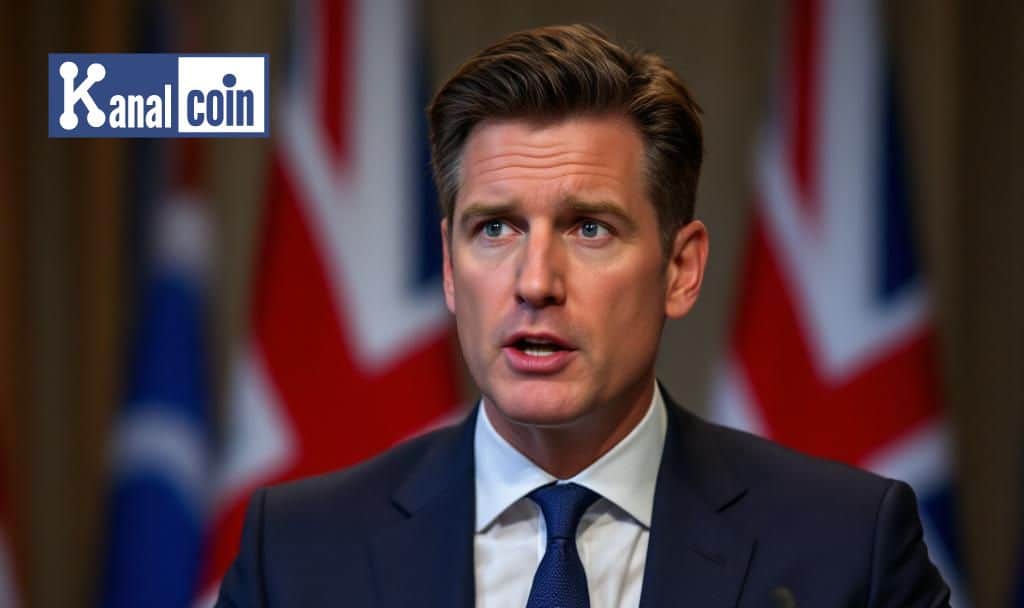
UK Prime Minister Keir Starmer opposed US-proposed tariffs on Denmark over Greenland security on January 19, 2026, at a Downing Street conference, gaining backing from the Opposition leader.
Starmer’s stance reflects concerns over negative effects on Britain’s economy, highlighting the need for stable international relationships amid ongoing geopolitical tensions involving the US and allies.
UK Prime Minister Keir Starmer publicly opposed proposed US tariffs targeting allies, focusing on Denmark and Greenland security issues. These measures could harm British workers and the economy, according to statements made during a press conference on January 19, 2026, as detailed in his remarks on Greenland’s future policies.
UK Prime Minister Opposes Tariffs on Denmark, Greenland
UK Prime Minister Keir Starmer publicly opposed proposed US tariffs targeting allies, focusing on Denmark and Greenland security issues. These measures could harm British workers and the economy, according to statements made during a press conference on January 19, 2026, as detailed in his remarks on Greenland’s future policies.
Starmer emphasized that imposing tariffs on allies is harmful and expressed gratitude for support from the Leader of the Opposition. The support indicates unity in UK political ranks against these potential economic measures, pressing against US proposals.
Potential impacts of these tariffs include negative effects on industries such as cars, steel, and aerospace. The broader economic consequences could lead to higher energy costs and inflation, affecting supply chains and household budgets. British political unity emerges against these tariffs.
Tariffs Could Inflame UK Energy Costs and Inflation
Potential impacts of these tariffs include negative effects on industries such as cars, steel, and aerospace. The broader economic consequences could lead to higher energy costs and inflation, affecting supply chains and household budgets. British political unity emerges against these tariffs.
The opposition to US tariffs suggests possible financial disruptions if implemented, hitting traditional trade sectors. Despite being a global matter, there are no direct connections to the cryptocurrency market, preserving sector separation from ongoing geopolitics. Crypto markets remain unaffected in present analysis.
Historical Tensions Differ Due to Greenland Security Concerns
The event differs from past UK-US economic tensions, uniquely involving security concerns related to Greenland. Historically, tariffs have prompted sharp financial repercussions in affected domestic markets, emphasizing past geopolitical patterns between major economies.
According to Kanalcoin, previous trade tensions have affected global markets, with ripple effects on financial stability. However, no significant technological outcomes affect digital currencies directly in this instance, confirmed by current analyses and absence of crypto insider commentaries.
“I warmly welcome the support we have had with regards to Greenland and the proposed tariffs from the Leader of the Opposition. I thank her for her support.” – Keir Starmer, Prime Minister of the United Kingdom
| Disclaimer: This website provides information only and is not financial advice. Cryptocurrency investments are risky. We do not guarantee accuracy and are not liable for losses. Conduct your own research before investing. |