


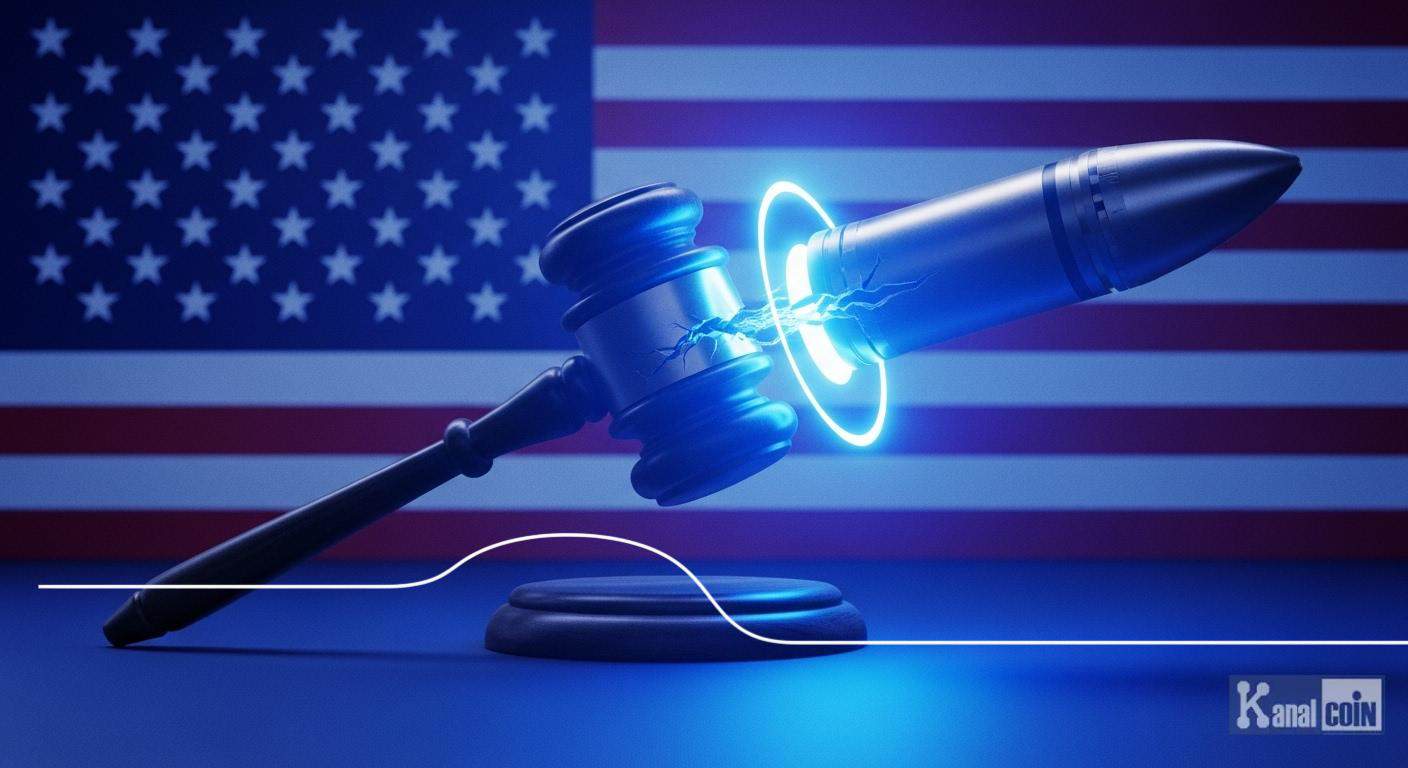
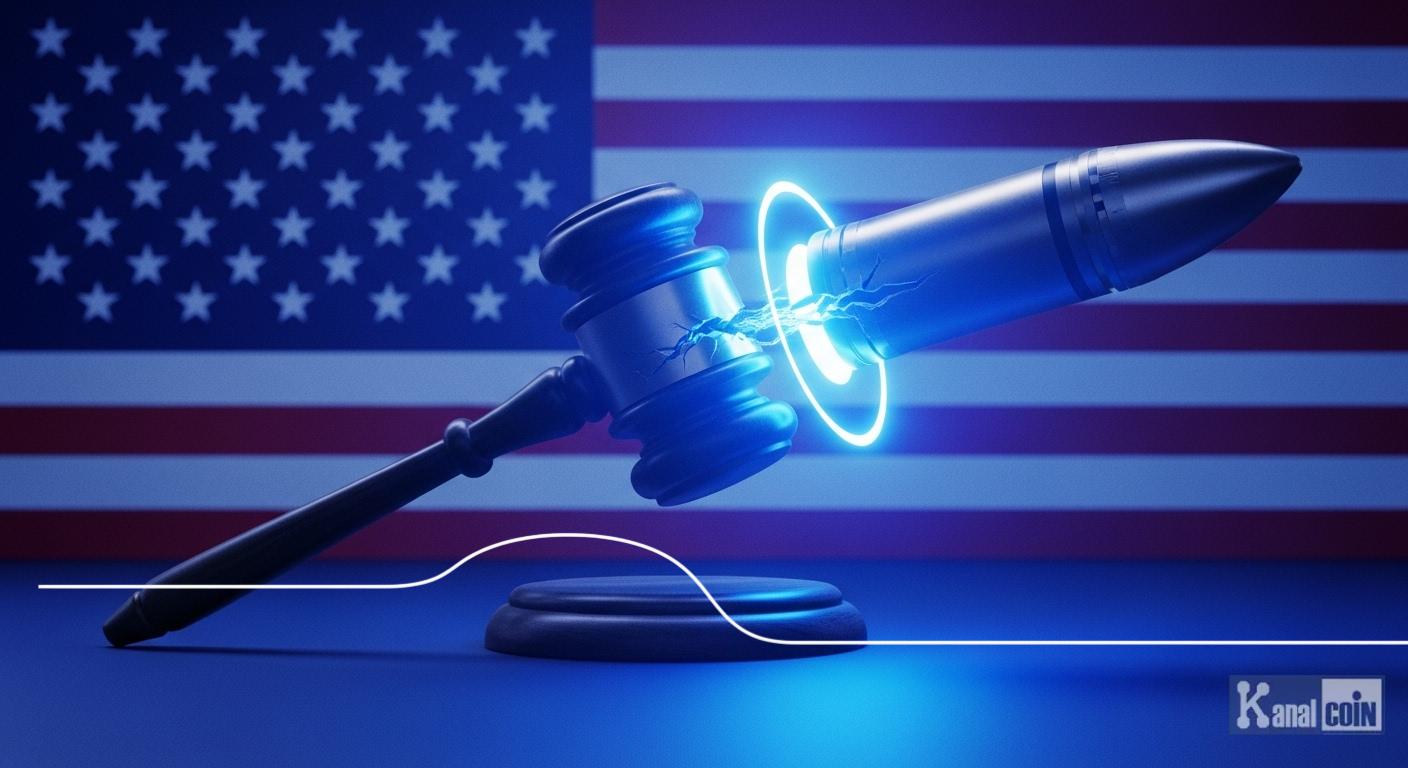
Trump is considering limited military strikes on Iran: what it means
President Donald Trump told reporters he is weighing a limited military strike on Iran to pressure Tehran into a deal, according to the New York Times. The framing suggests coercive leverage rather than an open-ended campaign, but the scope, targets, and thresholds for success remain undisclosed.
Separately, Trump indicated he may proceed with limited strikes as diplomats hint a deal could be within days, as reported by Scripps News. In practice, such a move would aim to signal resolve and raise costs for Iran while keeping the door to negotiations ajar.
Why it matters: objectives, escalation risks, and Iranian response signals
Limited strikes are usually designed to coerce and degrade discrete capabilities without triggering major war, but the risk calculus is fluid. Even calibrated use of force can prompt retaliation by Iranian partners and proxies, and any misreading of signals could widen the confrontation beyond initial intentions.
Iran’s public messaging is calibrated to project both deterrence and openness to talks. Tehran is “ready for either war or ‘fair and equitable’ negotiations,” while rejecting proposals that would impair its defense, according to AOL’s account of remarks by Foreign Minister Abbas Araghchi.
Analysts warn that rhetoric, force movements, and domestic political incentives can narrow off-ramps if diplomacy stalls. As reported by the Financial Times, Aaron David Miller of the Carnegie Endowment said Trump has “put himself in a box,” suggesting that heightened pressure without concessions could leave few options other than the use of force.
Immediate impact: Congress, War Powers Resolution, and military posture
Legal scholars note that the War Powers Resolution of 1973 requires congressional authorization for some uses of force; acting without it would invite challenges from Capitol Hill and in the courts, according to Fox News’ reporting on constitutional commentary. The threshold questions include whether contemplated strikes constitute “hostilities” and whether any claim of self-defense meets statutory and constitutional tests.
International law standards add a second constraint. Attacking another state absent imminence or Security Council authorization risks violating the U.N. Charter and customary law, said George Bisharat, emeritus law professor, as cited by ABC7.
On the political front, a bipartisan cohort in Congress has voiced concern, and Senator Tim Kaine has advanced a resolution to require authorization for any attack on Iran, as reported by the Washington Post. Any unilateral action could therefore intensify oversight moves, narrow appropriations latitude, and compress the administration’s timeline under the War Powers clock.
Strategically, the administration is also managing narratives about internal risk assessments. Trump publicly rejected reports that the Chairman of the Joint Chiefs, Gen. Dan Caine, warned of high escalation risks, calling those accounts incorrect, per Al Jazeera’s coverage, underscoring uncertainty about the deliberative process.
Against that backdrop, the president has hinted at a near-term decision point. After days of speculation, he said, “You’re gonna be finding out over the next, probably, 10 days,” as reported by Yahoo News.
Strategic scenarios: diplomacy, limited strikes, broader conflict ladder
A diplomacy-first track would seek to translate pressure into a concrete framework, confidence-building steps, calibrated sanctions relief, and verifiable constraints, while avoiding faits accomplis that foreclose talks. That pathway hinges on whether Tehran’s stated openness to “fair and equitable” negotiations can be matched with terms both sides can sell domestically.
A limited-strike track would aim to impose costs on specific Iranian capabilities while signaling that the U.S. is not seeking regime change or a prolonged campaign. Even so, planners would have to account for potential proxy retaliation, cyber operations, maritime disruptions, and pressures on U.S. basing and logistics, while communicating de-escalatory off-ramps to prevent action-reaction spirals.
A broader conflict ladder would reflect cumulative escalation, reprisals by Iran or its partners, reciprocal U.S. responses, and mounting political commitments. Domestic politics could amplify that dynamic: key figures in Trump-aligned circles have publicly cautioned against another Middle East war, signaling potential fractures in his base if hostilities expand, according to the Houston Chronicle.
At the time of this writing, defense-equity moves suggest investors are monitoring the risk backdrop without clear conviction on outcomes. Based on data from Barchart, Lockheed Martin’s shares have gained 50.1% over the past 52 weeks and 34.9% year-to-date, with the provider noting delayed market data on the page cited. While market action is no substitute for strategy, it reflects how policy signals, congressional constraints, and regional risk can interact with defense postures in real time.
| Disclaimer: This website provides information only and is not financial advice. Cryptocurrency investments are risky. We do not guarantee accuracy and are not liable for losses. Conduct your own research before investing. |