


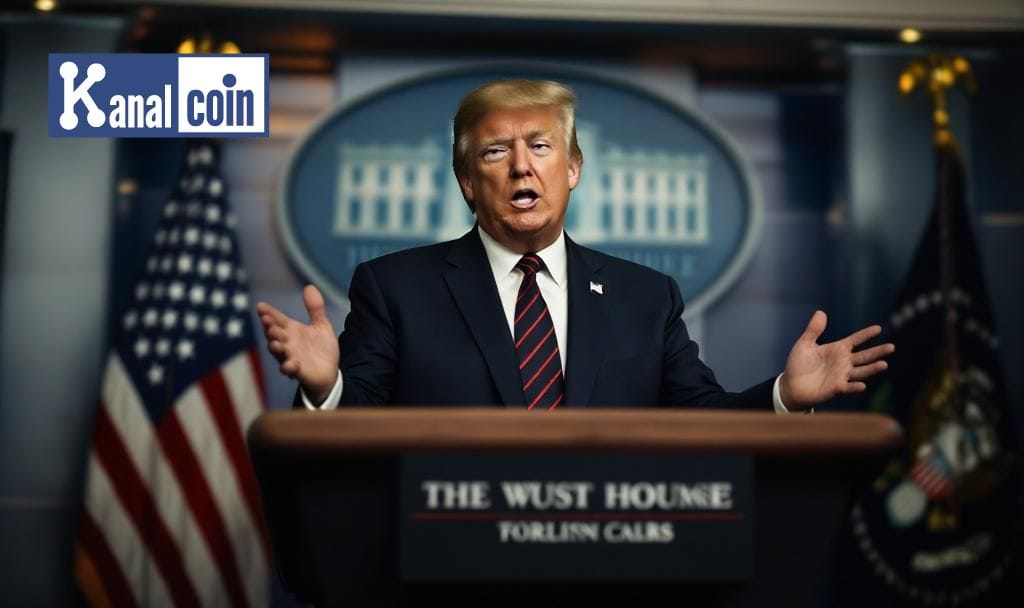
U.S. President Donald Trump announced tariffs on European imports, citing national security concerns tied to military exercises in Greenland, effective February 1, 2026.
The tariffs could escalate trade tensions, impacting U.S.-European relations and NATO’s cohesion, though little immediate financial market impact is observable at present.
Trump Targets Europe with Tariff Threat over Greenland
Trump announces tariffs on European imports over Greenland military exercises.
U.S. Tariffs Linked to Greenland Military Presence
The U.S. announced tariffs on European imports in response to military presence in Greenland. This action stems from President Trump’s desire for U.S. acquisition of Danish territory. The tariffs were announced on Truth Social.
Key players include President Trump and European leaders such as Keir Starmer and Emmanuel Macron. The tariffs begin at 10% on February 1, 2026, increasing to 25% by June 1 of the same year.
Donald Trump, U.S. President – “Starting on February 1st, 2026, all of the above mentioned Countries… will be charged a 10% Tariff on any and all goods sent to the United States of America.”
European Leaders Denounce U.S. Tariff Move
European leaders condemned the U.S. tariffs, citing risks to NATO’s collective security. The financial implications appear focused on traditional trade sectors, with no immediate impact on the cryptocurrency market reported.
Potential outcomes include increased tariffs altering trade dynamics
and a potential rise in geopolitical tensions. Historical trends show Trump’s use of tariffs as negotiation tools, as seen in past dealings with countries like India and China.
Tariffs as Leverage in Foreign Policy
Historically, tariffs have been used as leverage in foreign policy. Trump’s administration previously employed similar tactics with other nations, including China and the UK, indicating a recurring strategy.
Expert insights suggest such tariffs could create economic strain and impact alliances. Analysts consider this approach consistent with Trump’s tendencies to favor aggressive negotiation techniques based on historical and economic patterns.
| Disclaimer: This website provides information only and is not financial advice. Cryptocurrency investments are risky. We do not guarantee accuracy and are not liable for losses. Conduct your own research before investing. |