


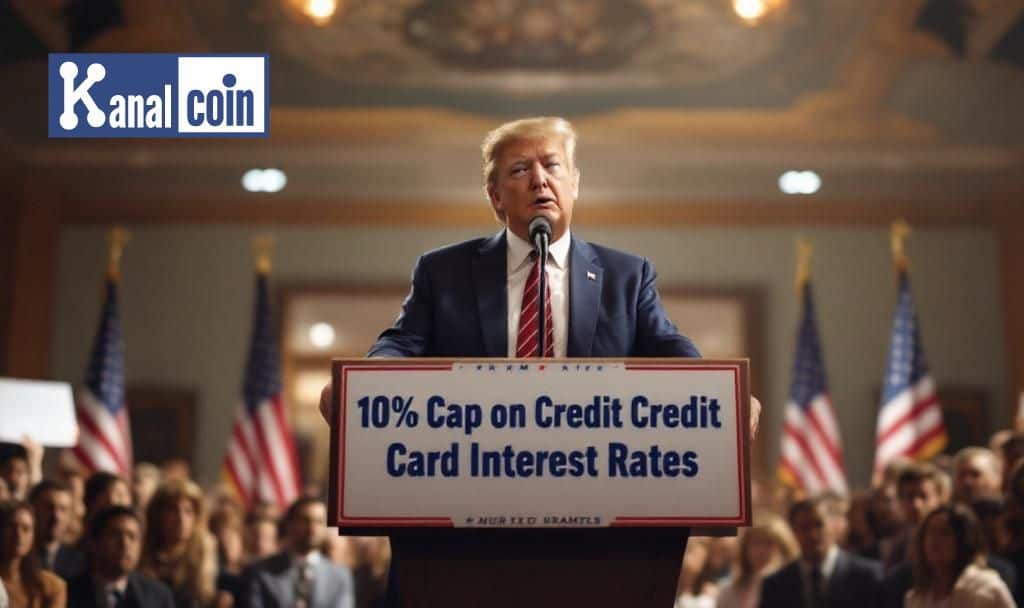
Donald Trump announced a one-year cap on credit card interest rates at 10% starting January 20 through a post on Truth Social, without any formal policy mechanism yet.
This proposal, while politically charged, lacks a formal mechanism for enforcement and has sparked varied reactions, with business concerns over limited credit and macroeconomic implications being indirect for cryptocurrencies.
Financial Sector Warns of Credit Accessibility Risks
The proposal’s potential effect on credit availability concerns financial institutions. Trade groups suggest that the cap could severely restrict access to credit, particularly for higher-risk borrowers, prompting a shift towards more costly credit alternatives.
In the broader financial context, banks warn of credit tightening and potential spikes in illegal lending activities. Historical trends show interest rate reductions can enhance disposable income, potentially channeling some spending into speculative assets including cryptocurrency.
Analyzing Historical Rate Cap Precedents
Similar proposals like the Military Lending Act’s 36% cap for service members have faced industry resistance. Past efforts to cap consumer credit show reduced mainstream credit availability and increased reliance on alternative lending channels.
Experts highlight that attempts like Sanders-Hawley bills aimed at similar caps faced significant opposition from financial institutions, indicating potential challenges in implementing such a policy. Insights from these events suggest the mixed impact of aggressive rate caps on consumers.
| Disclaimer: This website provides information only and is not financial advice. Cryptocurrency investments are risky. We do not guarantee accuracy and are not liable for losses. Conduct your own research before investing. |