


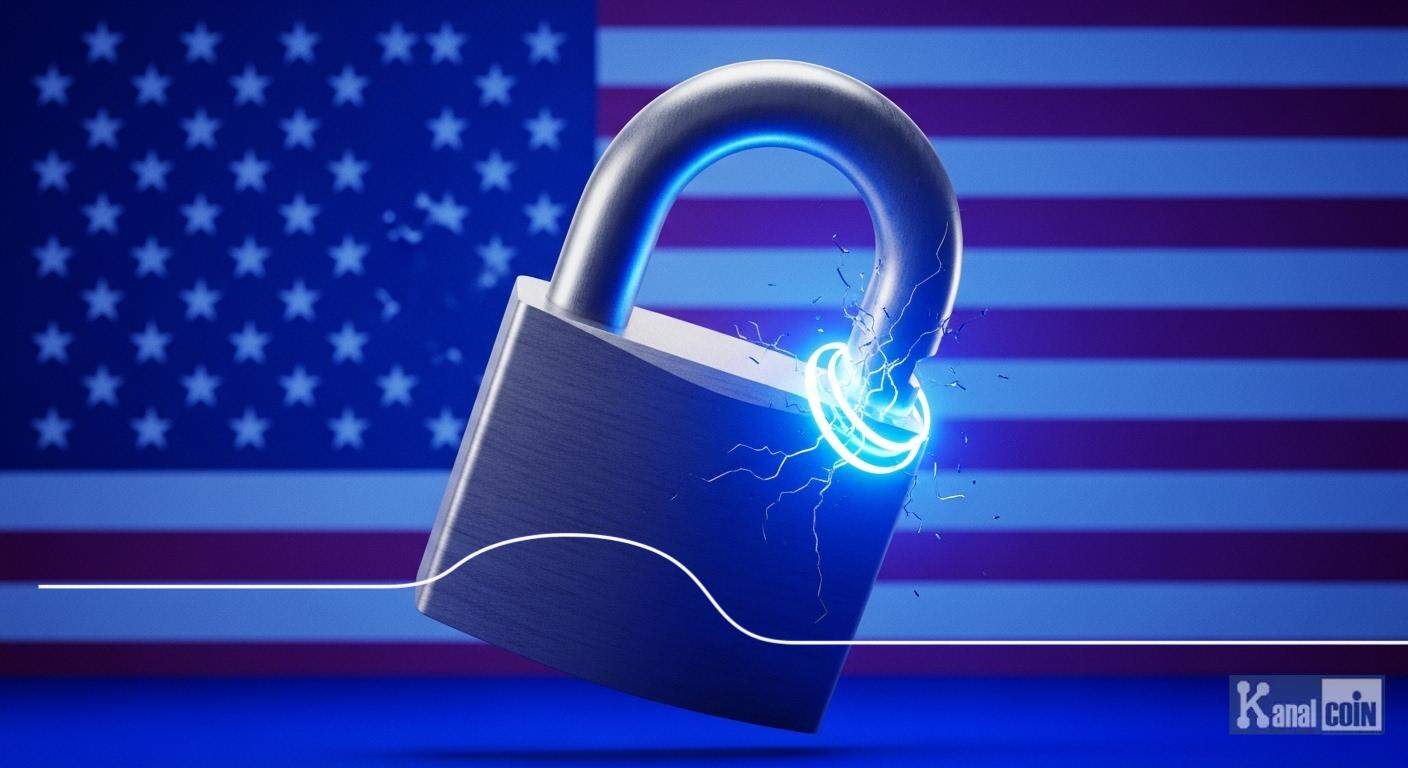
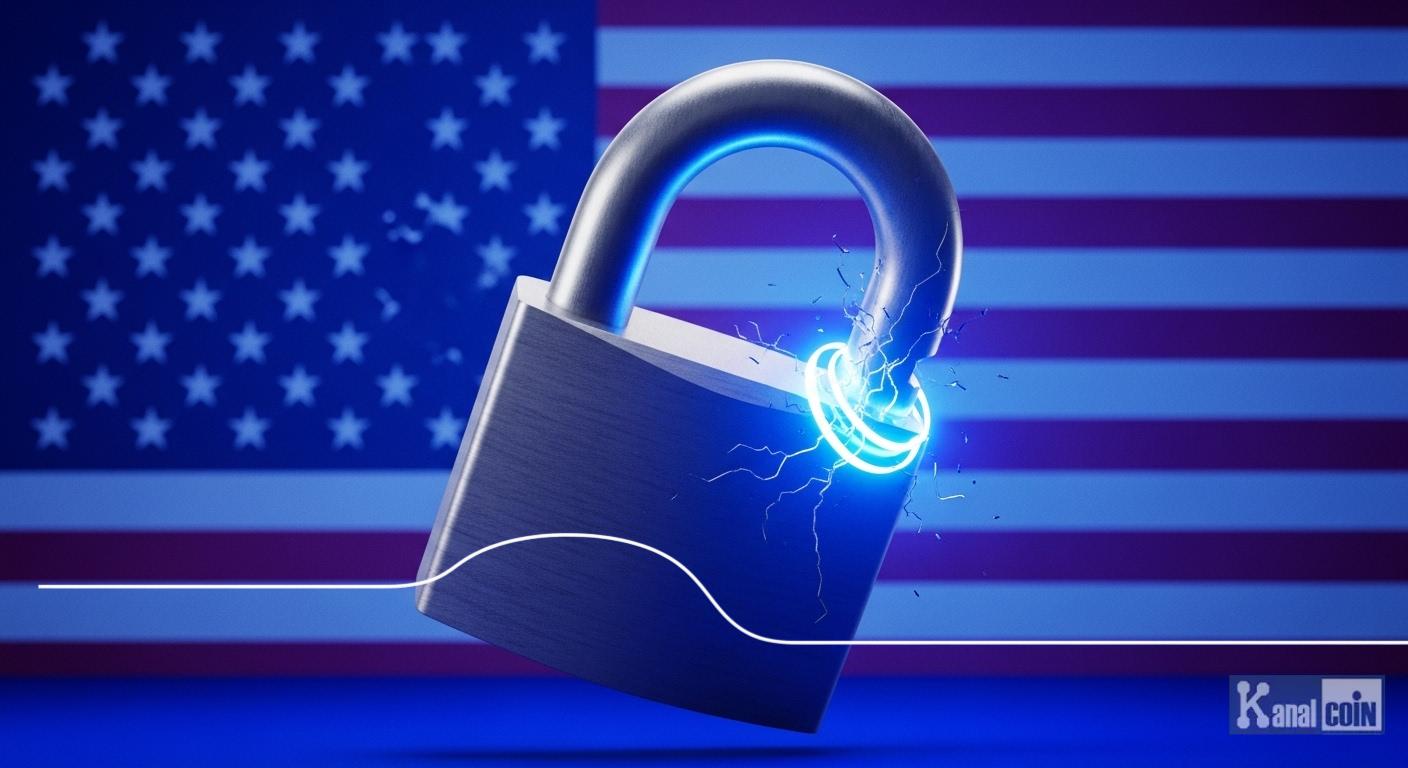
A landmark Supreme Court decision on presidential tariff powers is reshaping the policy debate and spurring swift political reaction. A review of contemporaneous reporting and institutional statements indicates significant implications for separation of powers, trade strategy, and potential business refunds.
Supreme Court struck down Trump’s sweeping tariffs, here’s the decision
As reported by The New York Times, on Feb. 20, 2026, the U.S. Supreme Court struck down President Donald Trump’s sweeping global tariffs, marking a major setback for the administration’s approach to trade. In the same reporting, the White House indicated it would seek to rely on different legal authorities going forward.
The decision invalidates a broad, across-the-board tariff regime and effectively resets the boundaries of unilateral trade actions. It also shifts immediate attention to what targeted tools remain permissible under existing statutes and to how agencies implement the ruling.
Why it matters for separation of powers and trade authority
As reported by the Associated Press, many observers framed the outcome as a correction to executive overreach, emphasizing that Congress holds constitutional authority over taxation and trade. By reinforcing legislative primacy, the ruling places clearer guardrails on any future attempt to impose blanket tariffs without explicit congressional direction.
In practical terms, this recalibration could foster more predictable trade policy and require greater interbranch coordination before sweeping import measures are considered. It may also influence negotiations with trading partners by signaling that broad, unilateral tariffs face heightened judicial scrutiny.
Immediate impacts: prices, business refunds, and White House options
For consumers, import-sensitive prices could ease if suppliers adjust contracts and pass through lower landed costs, though timing is uncertain and category-specific. For businesses, the focus turns to potential refunds and compliance steps as agencies unwind invalidated duties.
As reported by Local10, major tech trade associations urged the administration to facilitate prompt refund processes for affected companies, arguing that clarity would stabilize supply chains. Companies will likely coordinate with counsel and customs brokers to document payments and file claims consistent with agency guidance.
Policy options for the White House now appear to center on narrower, statute-based instruments rather than sweeping, one-size-fits-all tariffs. Any new actions would likely require detailed findings and procedural steps to withstand review.
At the time of this writing, Trump Media & Technology Group Corp. (DJT) traded around 10.59 after-hours, up 0.19%, based on data from Yahoo Finance. The figures were noted as delayed, underscoring that market snapshots around major legal headlines can be noisy and should be interpreted cautiously.
Trump’s remarks and reactions: Liberty Justice Center, lawmakers, industry
In remarks following the decision, Donald Trump criticized the U.S. Supreme Court’s move and described the outcome as deeply disappointing, as reported by BBC News. His comments underscore an escalating confrontation between the executive and judiciary following the invalidation of his global tariffs.
According to WRAL, the Liberty Justice Center, which supported challengers to the tariff program, welcomed the ruling and said it would assist small businesses pursuing refunds. The United Steelworkers, from the same reporting, urged Congress to update the trade framework so tariffs are used strategically rather than haphazardly.
After the ruling, Democratic leaders highlighted consumer relief and constitutional guardrails. “a victory for the wallets of every American consumer,” said Senate Minority Leader Chuck Schumer.
| Disclaimer: This website provides information only and is not financial advice. Cryptocurrency investments are risky. We do not guarantee accuracy and are not liable for losses. Conduct your own research before investing. |