


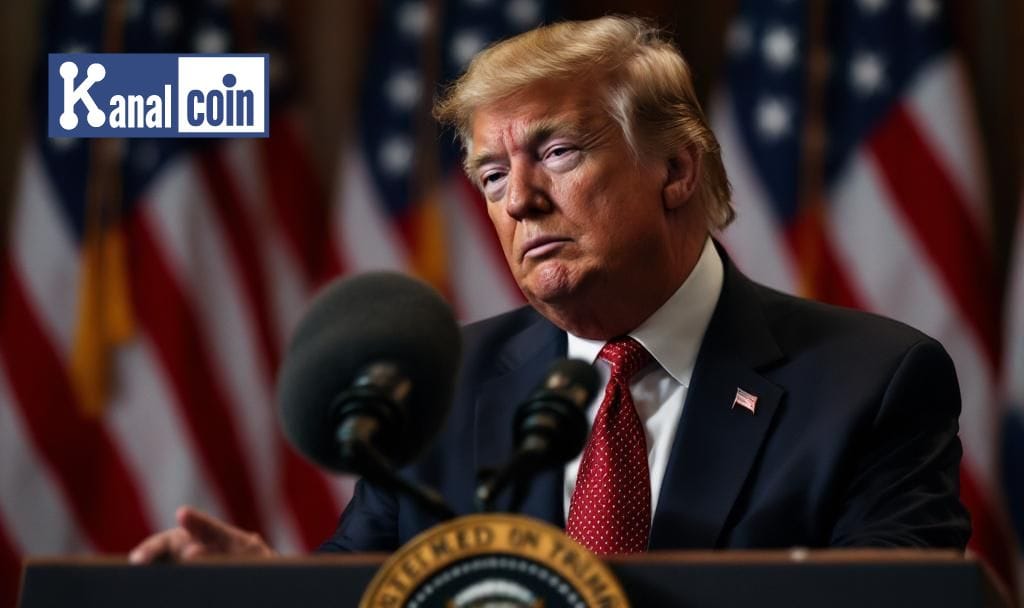
President Trump plans to increase tariffs on South Korean imports to 25% due to delays in approving a prior trade agreement by South Korea’s National Assembly.
The tariff escalation signifies heightened trade tensions, impacting sectors like automotive and pharmaceuticals, though no immediate connection to cryptocurrency or market reactions are identified yet.
US to Hike Tariffs Over Trade Framework Delays
US President Donald Trump announced plans to increase tariffs on South Korean imports due to delays in approving a trade framework. The proposed tariff hike affects sectors like autos and pharmaceuticals, causing diplomatic discussions between both nations.
Involved parties include Donald Trump, the announcement’s initiator, and Kim Jung-Kwan, South Korea’s Industry Minister. The proposed changes highlight South Korea’s legislative delay in finalizing the investment agreement, prompting diplomatic efforts to resolve escalated tensions.
Economic Impact of Tariff Hikes on Key Industries
As tariffs rise, the economic impact on South Korea may be significant, affecting crucial industries and export dynamics. No immediate implications for cryptocurrencies noted, with attention focused on traditional markets and diplomatic efforts.
The potential outcomes include increased costs for goods entering the US, possibly influencing trade relations. Historical data on past tariff actions offers a backdrop for understanding ongoing geopolitical strategies affecting global trade landscapes.
Tariff Use Under Trump: A Consistent Strategy
Comparing this event to prior tariff threats under Trump’s administration illustrates a consistent use of tariffs as negotiation tools. Previous actions included threats against European and Canadian imports, influencing global markets without substantial cryptocurrency implications.
Expert insights emphasize the geopolitical complexity of trade negotiations, suggesting a focus on historical context and strategic responses. Data indicates a pattern of leveraging tariffs to prompt bilateral agreements, highlighting challenges in synchronizing diplomatic measures.
“Our Trade Deals are very important to America. In each of these Deals, we have acted swiftly to reduce our TARIFFS in line with the Transaction agreed to. We, of course, expect our Trading Partners to do the same.” — Donald Trump, US President
| Disclaimer: This website provides information only and is not financial advice. Cryptocurrency investments are risky. We do not guarantee accuracy and are not liable for losses. Conduct your own research before investing. |