


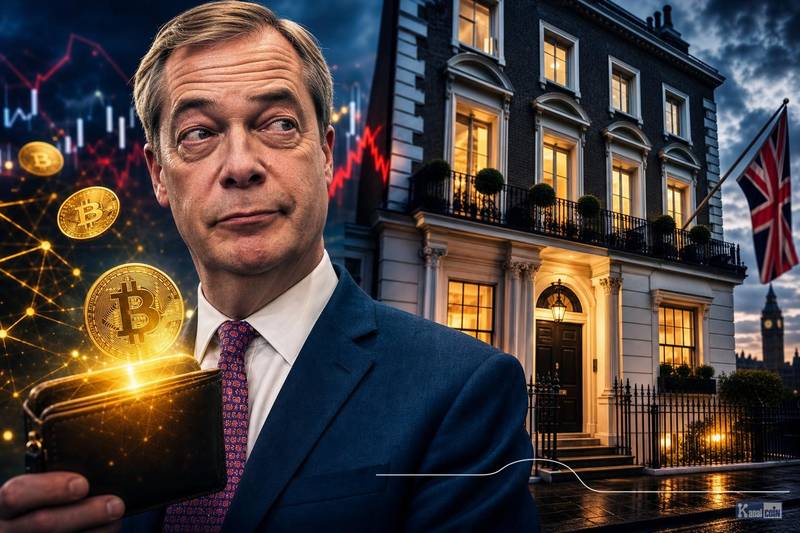
UK politician Nigel Farage reportedly purchased a £1.4 million ($1.8M) property in cash shortly after receiving a £5 million ($6.7M) personal gift from British crypto billionaire Christopher Harborne, triggering a formal parliamentary inquiry into whether the Reform UK leader broke Commons disclosure rules.
TLDR KEY POINTS
- Farage completed a £1.4 million cash property purchase on 10 May 2024, according to Sky News reporting.
- The purchase came after he received a £5 million personal gift from Thailand-based crypto billionaire Christopher Harborne.
- The Parliamentary Standards Commissioner has launched a formal inquiry into whether Farage failed to declare the gift as required under Commons rules.
What the reporting reveals about the property purchase
Sky News reported that Farage completed the £1.4 million property purchase on 10 May 2024. The transaction was made in cash, with no mortgage involved.
The gift came from Christopher Harborne, described in multiple reports as a Thailand-based British billionaire with deep ties to the cryptocurrency industry. The Guardian first reported the undisclosed £5 million personal gift and its timing before Farage announced he would stand in the 2024 general election.
Reform UK has stated that the property purchase process started before the gift was received. However, the completion date of 10 May 2024 places the transaction firmly within the timeline covered by parliamentary disclosure requirements.
How the gift and purchase timeline intersect
The £5 million gift dwarfs the £1.4 million property price, leaving a gap of roughly £3.6 million between the reported gift value and the house cost. Reporting has not established a direct chain of funds linking the gift to the specific purchase.
According to unconfirmed reports, the gift may have been crypto-denominated, though the sourced reporting describes it as a personal gift from a crypto billionaire rather than confirming the payment was made in cryptocurrency. Harborne has been linked to Tether, one of the largest stablecoin issuers in the digital asset space.
The story carries echoes of broader scrutiny around the parliamentary standards probe into Farage’s relationship with Harborne and the growing intersection of crypto wealth with political financing across multiple jurisdictions.
Parliamentary disclosure rules at stake
Under House of Commons rules, newly elected MPs must register current interests and any registrable benefits received in the 12 months before their election within one month of taking their seat.
The Parliamentary Standards Commissioner has now launched a formal inquiry into whether Farage violated these rules by accepting and not declaring the gift. Farage’s official register of interests is publicly available and has become a focal point of the investigation.
The Commons code specifies that gifts should be considered for registration if they might reasonably be thought to influence parliamentary activity, a standard that applies regardless of whether the gift came from crypto or traditional sources.
Why crypto and political audiences are watching closely
Large gifts from crypto-linked figures to sitting politicians raise transparency questions that resonate across both industries. As legislative efforts like the Clarity Act move through the U.S. Senate, lawmakers globally face growing pressure to disclose relationships with digital asset firms and their executives.
For crypto audiences, the Farage story highlights how digital asset wealth is increasingly entangled with political power structures. Harborne’s reported connections to Tether place the gift within the orbit of one of the most scrutinized companies in the industry.
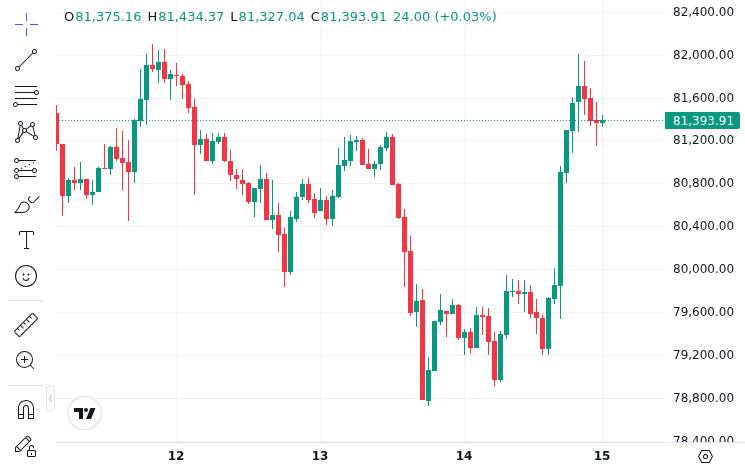
Bitcoin was trading at $81,374 at press time, up 2.5% over 24 hours, while broader market sentiment remained in Fear territory with the Fear & Greed Index at 34.
The investigation’s outcome could set precedent for how parliamentary ethics frameworks handle gifts originating from the crypto sector, an area where regulatory structures are still being built in the UK and internationally. The Standards Commissioner’s findings are expected to clarify whether current disclosure rules are adequate for the scale of wealth transfers now possible through digital assets.
Disclaimer: This article is for informational purposes only and does not constitute financial or investment advice. Cryptocurrency and digital asset markets carry significant risk. Always do your own research before making decisions.