


KuCoin published a guide titled “Anonymous Bitcoin Wallet: The Ultimate Guide in 2026” on March 18, framing privacy-focused wallets as essential tools for reducing identity linkage on the Bitcoin network. The guide recommends layered practices such as fresh addresses, Tor routing, and CoinJoin-style mixing, but several of its broader claims about regulation and specific wallet features remain unverified. Here is what the evidence actually supports.
What KuCoin Means by an Anonymous Bitcoin Wallet
TLDR KEY POINTS
- Bitcoin is pseudonymous, not anonymous: all transactions are public and permanently recorded on the blockchain.
- Privacy wallets reduce identity linkage through address rotation, Tor, and transaction mixing, but they do not make the Bitcoin ledger private.
- Several product-level and regulatory claims in KuCoin’s 2026 guide were not independently verified and should be treated with caution.
The phrase “anonymous Bitcoin wallet” is misleading on its face. Chainalysis describes Bitcoin users as pseudonymous, meaning transactions are tied to addresses rather than real names, but every transaction is publicly visible on the blockchain.
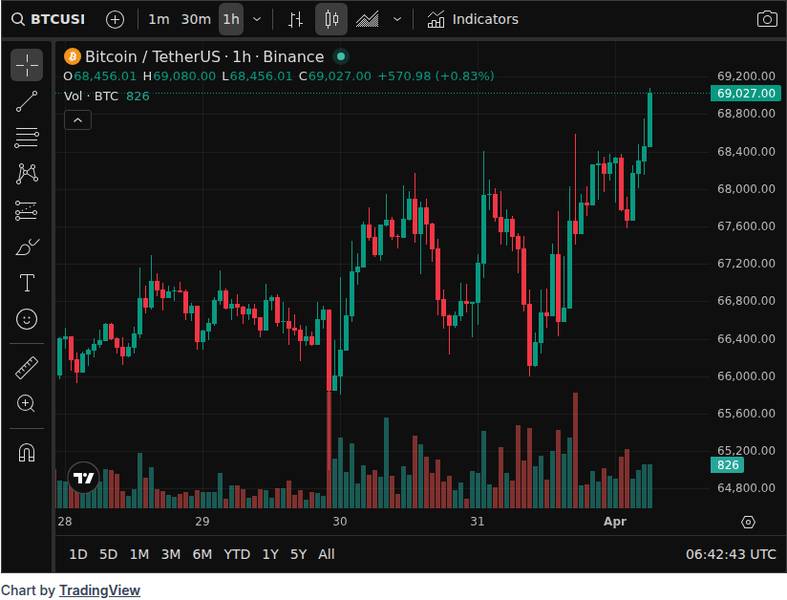
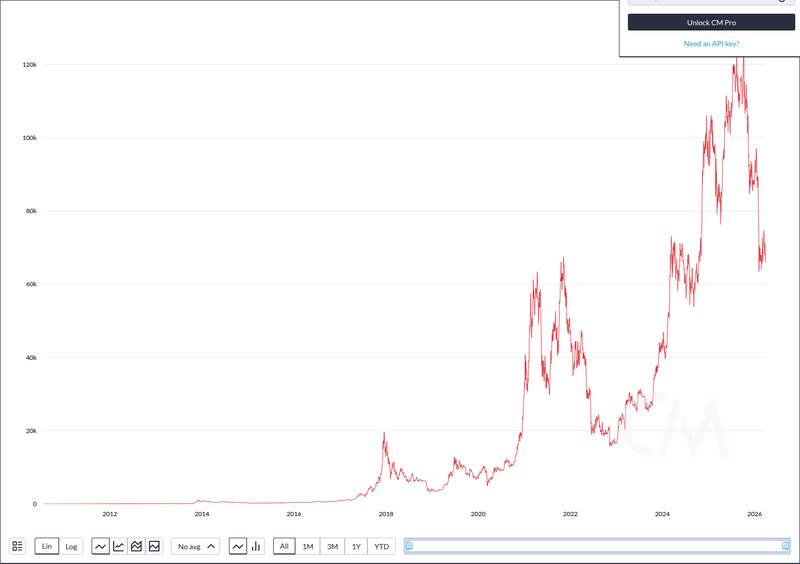
Bitcoin with a market capitalization near $1.378 trillion and 24-hour trading volume of roughly $58.0 billion as of April 1, is one of the most surveilled financial networks in history. Every transfer, every address balance, every spending pattern is recorded permanently.
Pseudonymous Is Not Anonymous
Bitcoin.org itself states that Bitcoin is not anonymous: transactions are public and permanent, and Bitcoin addresses should only be used once. The distinction matters. Pseudonymity means your real name is not attached to an address by default, but anyone who links your identity to a single address can trace your entire transaction history from that point.
What KuCoin’s guide calls an “anonymous Bitcoin wallet” is more accurately described as a privacy-enhanced wallet. These are non-custodial tools that reduce the ability of outside observers to connect your addresses and transactions to your identity. They do not alter the fundamental transparency of the Bitcoin protocol.
How Bitcoin Wallet Privacy Actually Works
The KuCoin guide recommends three layered privacy practices: using fresh addresses for every transaction, routing connections through Tor, and employing CoinJoin-style transaction mixing. Each of these has a basis in Bitcoin’s technical documentation.
Address Rotation Prevents Transaction Clustering
Bitcoin.org’s privacy guide advises users to generate a new Bitcoin address for each payment received. The Bitcoin developer RPC reference confirms that wallet software supports this through the getnewaddress command, which returns a fresh receiving address on demand.
Address reuse is one of the simplest ways to compromise Bitcoin privacy. When a single address appears in multiple transactions, chain-analysis tools can cluster those transactions and build a spending profile. Generating a new address for each payment breaks that link, similar to how exchanges periodically rotate wallet infrastructure as part of operational hygiene.
Tor Hides Network Metadata, Not On-Chain History
When you broadcast a Bitcoin transaction, your IP address can be logged by the nodes that relay it. Bitcoin.org warns that this network-layer metadata creates a privacy leak separate from blockchain transparency.
Bitcoin Core has supported Tor integration since version 0.12.0. The official release notes document that when Tor is running, Bitcoin Core can automatically create a hidden service and connect to .onion nodes, preventing your ISP or network observers from knowing you are using Bitcoin at all.
The critical distinction: Tor protects your IP address during transaction broadcast, but it does nothing to obscure the on-chain record once the transaction is confirmed. A reader using Tor still has fully public, traceable transactions on the blockchain.
CoinJoin-style mixing aims to break the link between sender and receiver by combining multiple users’ transactions into a single joint transaction. The goal is to make it difficult for observers to determine which input paid which output.
This is not a guaranteed reset of coin history. Chain-analysis firms have developed heuristics to partially de-mix certain CoinJoin implementations. Bitcoin.org also warns that the legality of mixing services varies by jurisdiction, a point that matters for readers in markets where regulatory scrutiny is intensifying.
What Readers Should Treat Carefully in the 2026 Wallet Narrative
KuCoin’s guide makes several claims that go beyond what can be independently verified. Readers should weigh these carefully before acting on them.
The guide frames 2026 global “Travel Rules” as the primary driver making privacy wallets essential. According to the KuCoin guide, stricter compliance requirements are pushing users toward self-custody privacy tools, but no primary regulatory document was fetched to validate this broad framing. The distinction between self-custody privacy practices and regulated exchange compliance obligations is important and should not be collapsed.
Product-specific claims in the guide, including features attributed to wallets like ZenGo “Privacy Mode,” Wasabi 2.0 automation, and Sparrow’s 2026 privacy integrations, were not confirmed against official wallet release notes. Readers should verify these claims directly with wallet vendors before relying on them.
The guide’s suggestion that using a privacy wallet can “reset” Bitcoin’s transaction history and preserve fungibility is overstated. Exchange compliance policies vary widely, and coins that have passed through mixing services may face additional scrutiny or rejection at centralized platforms. This is particularly relevant as exchanges continue to adjust their infrastructure and compliance tooling in response to evolving regulations.
For readers moving funds between self-custody wallets and centralized exchanges, the practical reality is layered. Privacy tools can reduce casual surveillance and protect against address clustering by third parties. But funds entering a regulated exchange will be subject to that platform’s KYC and transaction-monitoring requirements regardless of the wallet used to send them.
The verified privacy mechanics, address rotation, Tor routing, and cautious use of mixing tools, are grounded in Bitcoin’s own documentation and represent sound privacy hygiene. The unverified vendor marketing and sweeping regulatory claims are not. Readers benefit most by adopting the former while maintaining skepticism toward the latter.
Disclaimer: This article is for informational purposes only and does not constitute financial or investment advice. Cryptocurrency and digital asset markets carry significant risk. Always do your own research before making decisions.