

Kelp DAO has publicly blamed LayerZero for a $292 million exploit, prompting Aave to launch a review of potential bad debt scenarios across its lending markets.
What Kelp DAO alleges about the $292 million exploit
Kelp DAO pointed to LayerZero as the responsible party in connection with a $292 million exploit that drained funds from its protocol. The allegation places blame squarely on LayerZero’s cross-chain messaging infrastructure.
LayerZero published an incident statement addressing Kelp DAO’s claims. The statement, hosted on LayerZero’s official blog, represents the protocol’s formal response to the accusation, though the full details of the technical failure and responsibility remain under review.
The $292 million figure makes this one of the larger DeFi exploits in recent memory. Kelp DAO’s framing treats the incident as a failure in LayerZero’s infrastructure rather than a vulnerability in its own protocol design.
It is important to note that these are allegations from Kelp DAO. No independent post-mortem has confirmed where ultimate responsibility lies, and LayerZero’s own account of the incident may differ in key details.
Why Aave is reviewing bad debt scenarios
Aave, one of the largest decentralized lending protocols, initiated a review of bad debt scenarios following the exploit. Bad debt in DeFi lending occurs when the value of collateral backing a loan falls below the outstanding debt, leaving the protocol with an unrecoverable shortfall.
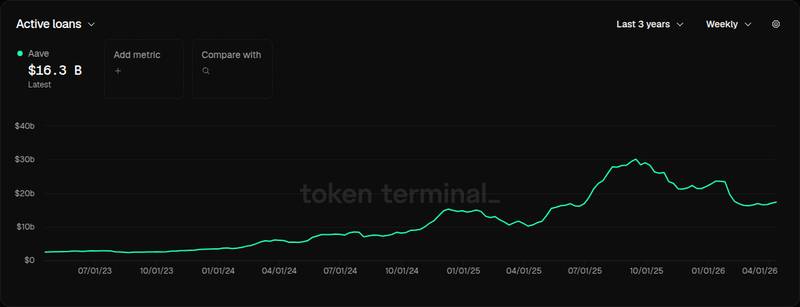
A nine-figure exploit at an interconnected protocol raises the risk that collateral tokens used on Aave could lose value or liquidity. If assets linked to Kelp DAO or LayerZero were posted as collateral on Aave, rapid price declines could trigger liquidations that fail to fully recover the borrowed amounts.
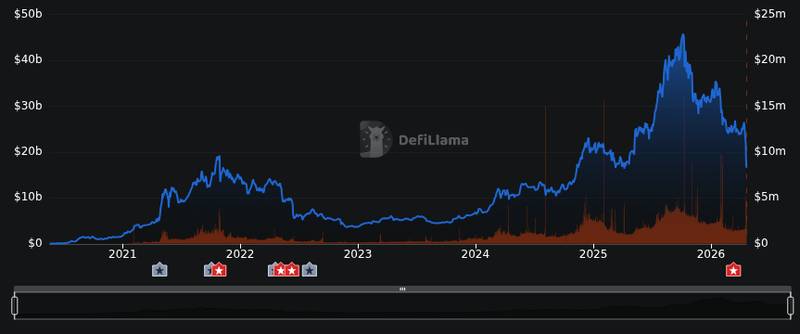
Aave’s review suggests its risk managers are evaluating exposure across multiple collateral types and chains. This kind of scenario-based assessment is standard practice for lending protocols after major exploits, as second-order effects can take days to materialize.
What the fallout could mean for DeFi risk sentiment
An exploit of this scale tends to ripple across DeFi confidence. Protocols that share liquidity pools, bridge infrastructure, or collateral dependencies with the affected parties face heightened scrutiny from users and governance participants alike. Earlier this year, institutional fund inflows into crypto had been building momentum, and incidents like this test whether that confidence holds.
Cross-protocol dependencies are the core risk factor. LayerZero serves as messaging infrastructure for dozens of protocols, meaning a confirmed vulnerability in its system would have implications well beyond Kelp DAO. Any protocol that relies on LayerZero for cross-chain asset transfers may need to reassess its own exposure.
The incident also arrives at a time when broader crypto markets have been experiencing significant institutional interest, making the contrast between institutional adoption and DeFi security failures particularly visible.
Developments to watch include the outcome of Aave’s bad debt assessment, any formal post-mortem from LayerZero or independent security auditors, and whether other protocols that integrate LayerZero infrastructure begin their own risk reviews. The caution notices issued by exchanges for related tokens could also signal how centralized platforms are responding to the contagion risk.
Disclaimer: This article is for informational purposes only and does not constitute financial or investment advice. Cryptocurrency and digital asset markets carry significant risk. Always do your own research before making decisions.


