


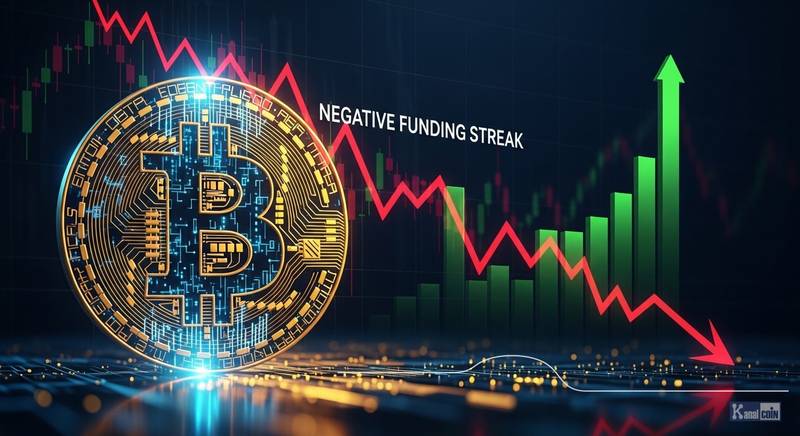
Bitcoin has recorded its longest streak of negative perpetual futures funding rates since the start of the decade, according to crypto research firm K33, a condition that raises the probability of a short squeeze if market sentiment shifts.
What K33’s negative funding streak reveals about Bitcoin sentiment
Funding rates are periodic payments exchanged between traders holding long and short positions in perpetual futures contracts. When funding is negative, short sellers pay long holders, signaling that bearish bets dominate the market.
A single negative reading is routine, but K33 identified the current streak as the longest of the 2020s, making the duration itself the notable development. The streak functions as a positioning signal rather than a standalone price forecast.
K33 analyst Vetle Lunde flagged the streak as meaningful. The firm has noted that negative funding rates have remained sticky even as Bitcoin’s spot price recovered, suggesting persistent conviction among short traders rather than a brief dip in sentiment.
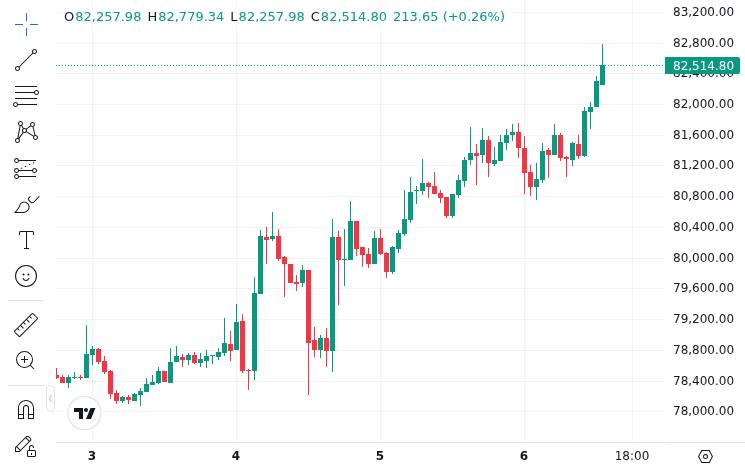
Bitcoin’s spot rally amid persistent negative funding is itself unusual. Decrypt reported the rally past $81,000 occurred alongside a 66-day negative funding streak, a divergence that suggests spot demand, not leveraged longs, has been driving the move higher.
Why a crowded bearish trade can raise short-squeeze risk
A short squeeze occurs when rising spot prices push leveraged short positions toward liquidation thresholds. As liquidations trigger, exchanges execute market buy orders on behalf of liquidated traders, adding more upward pressure. The cycle feeds on itself until enough short exposure has been cleared.
The longer funding stays negative, the more short exposure accumulates across the market. That buildup does not guarantee a squeeze, but it widens the gap between current positioning and the buying power that would be unleashed if the trade unwinds.
FXStreet reported that K33 considers the current environment a high-conviction entry zone based on the funding data. That assessment rests on historical patterns where similarly extended negative streaks preceded sharp reversals.
Companies with significant Bitcoin exposure illustrate how leveraged positioning cuts both ways. Strategy recently reported a $12.54 billion loss tied to Bitcoin’s earlier decline, a reminder that concentrated bets amplify outcomes in either direction.
What traders should watch after K33’s warning
The first signal to monitor is funding rates themselves. A shift from negative to neutral or positive would indicate that bearish positioning is unwinding, potentially reducing squeeze risk but also confirming that sentiment has already turned.
Open interest trends matter alongside funding. Rising open interest paired with still-negative funding would mean new short positions are being added, deepening the imbalance. Falling open interest with normalizing funding would suggest an orderly exit rather than a forced squeeze.
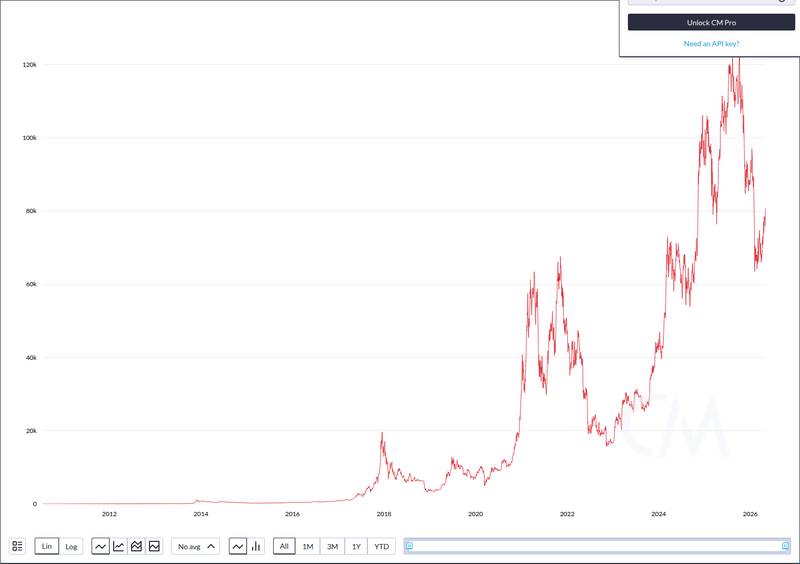
Spot-led buying has been a feature of Bitcoin’s recent move. If that pattern continues, it adds fundamental pressure beneath the derivatives overhang. The recent Bybit listing of new perpetual futures contracts shows derivatives markets continue expanding, giving traders more venues where positioning imbalances can build.
Disputes over custody and asset recovery, such as a recent investor lawsuit against Coinbase, also highlight the broader risks traders face in volatile conditions beyond just directional bets.
Any macro catalyst, whether a shift in rate expectations or a crypto-specific event, could act as the trigger that forces repositioning. The positioning is the setup; the catalyst has not arrived yet, and volatility can cut in both directions.
Disclaimer: This article is for informational purposes only and does not constitute financial or investment advice. Cryptocurrency and digital asset markets carry significant risk. Always do your own research before making decisions.