



An Ethereum wallet linked to the network’s 2015 initial coin offering has moved 790 ETH after sitting dormant for roughly 10.8 years, drawing fresh attention from on-chain analysts tracking early holder behavior.
What Triggered the 790 ETH Transfer
The wallet, identified as an Ethereum ICO participant, executed a transfer of 790 ETH after more than a decade of inactivity. On-chain tracker Lookonchain flagged the movement, noting the address had been silent since the earliest days of the Ethereum network.
The sending address, 0xcd59f3dde77e09940befb6ee58031965cae7a336, can be verified on Etherscan. The reactivation of a wallet from Ethereum’s founding era is notable because ICO-era addresses represent some of the network’s longest-standing holders.
ON-CHAIN DATA
- Amount: 790 ETH
- Wallet: 0xcd59…a336
- Dormancy period: ~10.8 years
- Origin: Ethereum ICO participant
This transfer is part of a broader pattern of long-dormant Ethereum wallets reactivating. CCN reported on multiple whales selling Ethereum from wallets that had been inactive for over 10 years, with some moves involving tens of millions of dollars.
Why Dormant Wallet Movements Draw Attention
When wallets tied to Ethereum’s ICO era begin moving funds, on-chain watchers take notice. Early Ethereum addresses are closely monitored because their holders acquired ETH at a fraction of a cent, meaning any movement could represent significant unrealized gains being repositioned or liquidated.
A transfer alone does not confirm selling. The 790 ETH could have been moved to a new personal wallet, shifted into cold storage, or directed toward a DeFi protocol. Analysts typically track the destination address in the days following reactivation to determine whether the funds ultimately reach an exchange, which would more clearly signal intent to sell.
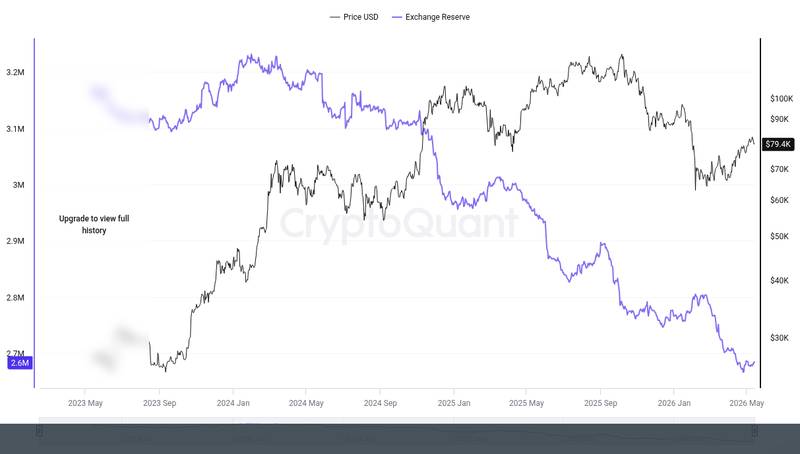
Large legacy-wallet transfers can trigger short-term sentiment shifts among ETH traders, particularly when multiple dormant wallets reactivate in close proximity. The distinction between movement and confirmed selling pressure is critical for interpreting these events accurately.
Ethereum ICO-Era Context and What to Watch
Ethereum’s ICO took place in mid-2014, distributing roughly 60 million ETH to early participants at a price of approximately $0.31 per token. Wallets from that era that have never transacted represent some of the oldest untouched holdings on the network.
When one of these addresses reactivates, analysts focus on follow-up activity: whether the destination wallet holds or distributes further, whether the ETH reaches a known exchange deposit address, and whether additional ICO-era wallets begin moving in the same timeframe. A single transfer in isolation provides limited signal compared to a cluster of movements.
For readers tracking broader developments in the crypto regulatory landscape, the Clarity Act heading into Senate markup could also shape how long-term holders approach portfolio decisions in the months ahead. Meanwhile, infrastructure developments like Solana’s Alpenglow upgrade entering testing and questions around Consensys delaying its potential IPO reflect the shifting dynamics across the broader market.
The next meaningful data point will come from monitoring the transaction history of the originating address and any subsequent transfers from the receiving wallet.
Disclaimer: This article is for informational purposes only and does not constitute financial or investment advice. Cryptocurrency and digital asset markets carry significant risk. Always do your own research before making decisions.