


CME Group plans to launch Nasdaq CME Crypto Index futures on June 8, 2026, introducing the exchange’s first market-cap weighted cryptocurrency futures contract in both standard and micro sizes.
TLDR KEY POINTS
- CME Group will launch Nasdaq CME Crypto Index futures on June 8, 2026, pending regulatory review.
- The contracts track a seven-asset basket weighted by market cap: BTC (76.96%), ETH (12.68%), XRP, SOL, ADA, LINK, and XLM.
- Standard (NCI) and micro (MCI) contract sizes offer $10 and $1 multipliers respectively.
What CME Group is launching on June 8, 2026
CME Group announced on May 14, 2026 that it will list Nasdaq CME Crypto Index futures, pending regulatory review. The contracts will be financially settled to the Nasdaq CME Crypto Settlement Price Index and listed on a CFTC-regulated marketplace.
The product marks CME’s first-ever market-cap weighted futures contract in the cryptocurrency space. It will be available in two sizes: a standard contract (ticker NCI) at $10 times the index value, and a micro contract (ticker MCI) at $1 times the index value. Both are BTIC- and block-eligible.
As of May 14, the underlying index included seven digital assets: bitcoin, ether, SOL, XRP, ADA, LINK, and lumens. Nasdaq’s official constituent data from March 31, 2026 showed BTC dominating the basket at 76.96%, followed by ETH at 12.68%, XRP at 5.80%, SOL at 3.23%, ADA at 0.65%, LINK at 0.37%, and XLM at 0.30%.
CME had already expanded its regulated cryptocurrency pricing suite on February 2, 2026 to include the Nasdaq CME Crypto Index benchmark, laying the groundwork for the futures launch months in advance.
Why Bitcoin and crypto index futures matter for traders
Index-based futures allow traders to gain or hedge exposure to a basket of cryptocurrencies through a single regulated contract rather than managing positions across multiple spot markets. The market-cap weighting means bitcoin’s price movements will dominate the contract’s value, given its 76.96% share of the index.
The two contract sizes target different segments. The standard NCI contract, at $10 times the index, suits institutional participants and larger accounts. The micro MCI contract, at $1 times the index, lowers the barrier for smaller traders and could attract the same retail-professional crossover that drove adoption of CME’s existing micro bitcoin futures.
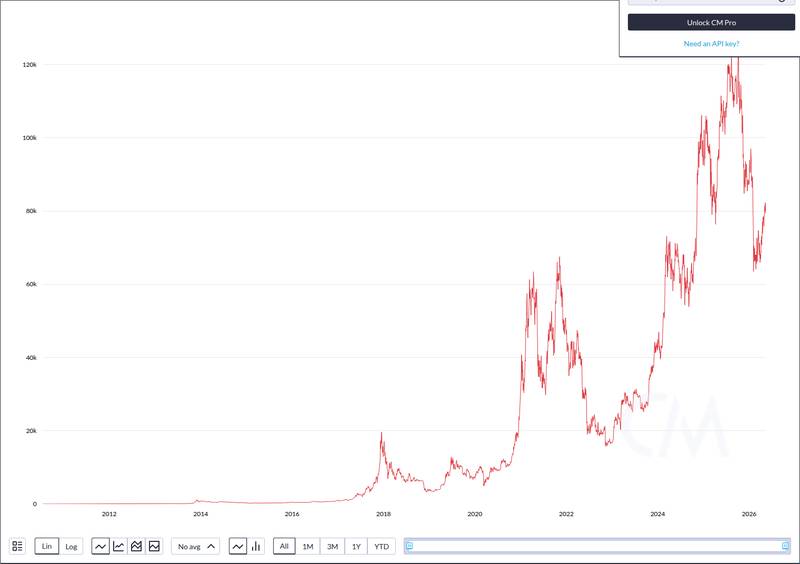
Bitcoin traded near $80,483 at press time, up roughly 1.38% over the prior 24 hours. The broader market mood remains cautious, with the Fear & Greed Index sitting at 43, in “Fear” territory, suggesting risk appetite is subdued even as CME expands its crypto derivatives offering.
Cash settlement is a key design choice. The contracts settle to a calculated index price rather than delivering actual tokens, which fits the existing U.S. regulatory framework for crypto derivatives and avoids the custody complications that come with physical delivery.
The launch comes during a period of broader regulatory activity in the crypto space. The CLARITY Act recently cleared the Senate Banking Committee, signaling continued legislative momentum around digital asset oversight. Meanwhile, individual asset stories continue to shape the market, from Tether’s USDT freeze disputes to declining ETH staking revenues at firms like Bit Digital.
What to watch after the CME launch
The most immediate signal after June 8 will be opening-day volume and open interest. CME’s existing single-asset crypto futures already see significant institutional participation, and early adoption numbers for the index product will indicate whether diversified crypto exposure resonates with that same trading base.
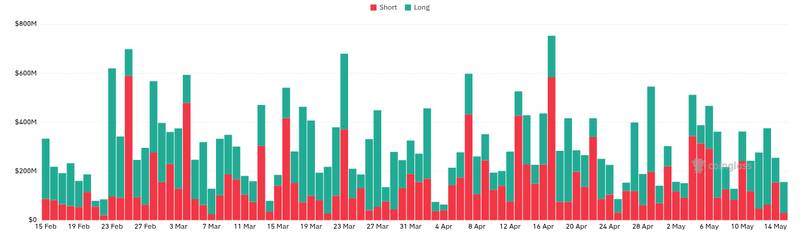
Liquidity depth in the first weeks will matter. Thin order books in a new contract can lead to wider spreads and slippage, which would discourage institutional hedgers who need reliable execution. The availability of both standard and micro sizes may help distribute liquidity across participant types.
The product’s reception could also influence how quickly CME or competitors move to launch additional index-based crypto derivatives. A strong debut would validate the market-cap weighted approach and potentially accelerate development of similar products covering different asset baskets or weighting methodologies.
The launch is pending regulatory review. Traders should monitor CME’s official announcements for confirmation that the June 8 date holds as scheduled.
Disclaimer: This article is for informational purposes only and does not constitute financial or investment advice. Cryptocurrency and digital asset markets carry significant risk. Always do your own research before making decisions.


