



Michael Saylor, executive chairman of Strategy, declared the traditional four-year Bitcoin cycle “dead” during a CNBC Crypto World interview, arguing that institutional credit flows have fundamentally reshaped how BTC behaves and that investors clinging to halving-based timing models are making a structural mistake.
What Michael Saylor said about the Bitcoin cycle
In a CNBC Television segment titled “Strategy’s Michael Saylor weighs in on whether bitcoin’s four-year cycle is dead,” Saylor pushed back on the idea that Bitcoin still follows predictable halving-driven boom-and-bust patterns. The interview, part of CNBC’s Crypto World series, centered on whether the supply-side framework that has defined BTC market narratives for over a decade still holds.
Saylor argued that judging Bitcoin’s success within 100 days, or even several months, is a fundamental misjudgment. He emphasized a low time preference approach, suggesting investors should use at least a four-year timescale while long-term advocates should think in decade-long terms.
At the core of his thesis is a credit-based argument. According to a secondary summary of the interview, Saylor noted that every $50 billion of credit issued by the banking system overwhelms the $20 million daily impact of the halving. That framing shifts the cycle narrative away from Bitcoin’s supply schedule and toward demand-side forces driven by institutional finance.
Why this challenges BTC market expectations
The four-year cycle has been one of Bitcoin’s most referenced market frameworks. It ties price action to the halving event, which cuts miner block rewards roughly every four years and has historically preceded major rallies. Many traders and analysts still use it as a baseline for positioning.
Saylor’s argument is that this supply-side model no longer captures what actually moves Bitcoin. If banking credit and ETF infrastructure now dominate capital flows into BTC, the halving’s relative price impact shrinks considerably. That logic, if correct, would force a rethinking of cycle-based strategies that have guided Bitcoin whale accumulation patterns for years.
According to one unconfirmed report, nearly half of the top ten U.S. banks have begun accepting IBIT as collateral and issuing credit against it within the past six months. A separate unconfirmed claim suggested that after the SEC loosened restrictions on Bitcoin ETFs and derivatives, IBIT open interest surged from $10 billion to $50 billion in a matter of weeks. Neither figure has been verified by a primary bank or regulatory source.
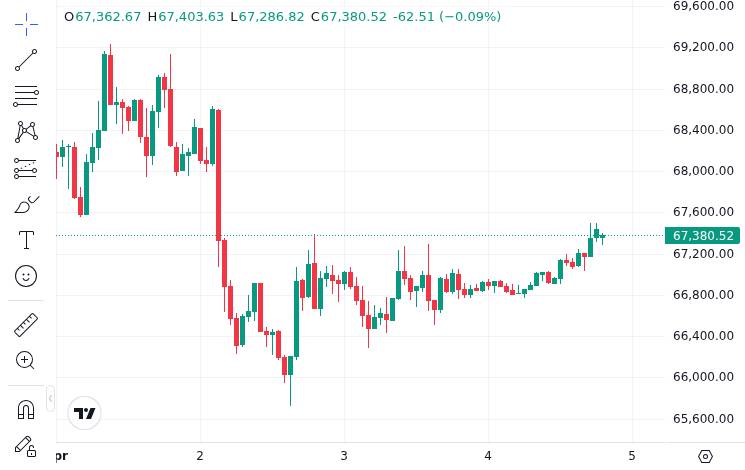
BTC traded at $67,367 at the time of the latest data snapshot, with a market cap of approximately $1.35 trillion and 24-hour trading volume near $22.66 billion.
What investors and traders may watch next
The Fear & Greed Index sat at 11 at the time of the snapshot, deep in Extreme Fear territory. That sentiment reading provides an unusual backdrop for Saylor’s bullish structural thesis, suggesting the broader market has not yet embraced the idea that cycle dynamics have permanently shifted.
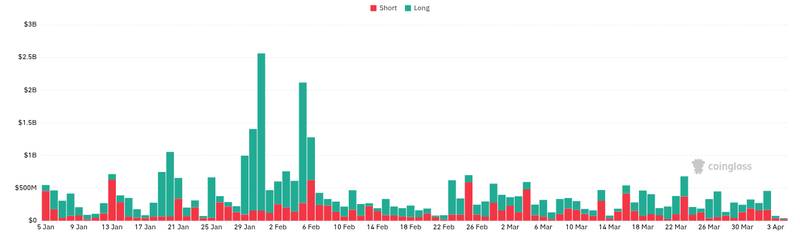
If Saylor’s credit-based framing gains traction among institutional allocators, the traditional post-halving rally timeline could become less relevant as a trading signal. Traders who rely on cycle positioning may need to weigh whether leveraged derivatives exposure, including the risk of large-scale short liquidations near key resistance levels, reflects outdated assumptions about BTC supply dynamics.
The regulatory backdrop also matters. While no single new filing or law prompted Saylor’s remarks, the broader environment around ETF plumbing and credit integration is evolving. How regulators approach crypto asset service provider frameworks could determine the pace at which institutional credit channels expand.
Saylor’s core message was clear: stop thinking in four-year windows. Whether the market agrees will show up in how capital flows respond to the next halving cycle, or whether that cycle even registers against the scale of institutional credit now entering Bitcoin.
Disclaimer: This article is for informational purposes only and does not constitute financial or investment advice. Cryptocurrency and digital asset markets carry significant risk. Always do your own research before making decisions.