


Glassnode’s latest on-chain analysis shows Bitcoin’s blockchain still reflects an ongoing recovery phase, even as the supply held at a loss has been increasing. The analytics firm’s “Mean Reversion” report, published on April 24, 2025, found that BTC briefly reclaimed a key profitability threshold but cautioned that the move had not yet confirmed a full shift back to bullish territory.
TLDR KEY POINTS
- Bitcoin briefly reclaimed the Short-Term Holder (STH) cost basis at $92,900, trading as high as $94,700.
- Percent Supply in Profit rose to 87.3%, up from 82.7% the last time BTC traded near the same level, meaning nearly 5% of supply changed hands during the correction.
- Glassnode called the move “constructive” but stressed it was only a momentary reclaim, not a confirmed regime shift.
Glassnode says Bitcoin’s blockchain still reflects an ongoing recovery
In its Week 16 report titled “Mean Reversion,” Glassnode noted that Bitcoin rose as high as $94,700 and briefly reclaimed the Short-Term Holder cost basis at $92,900. The STH cost basis represents the average acquisition price of coins held by investors who bought within roughly the last 155 days, making it a widely watched line between recovery and renewed downtrend.
The reclaim pushed the Percent Supply in Profit metric to 87.3%, a notable improvement from the 82.7% reading recorded the last time Bitcoin traded in the same price zone. That gap implies that nearly 5% of the total Bitcoin supply changed hands at lower prices during the intervening correction, effectively resetting the cost basis for a significant share of holders.
Glassnode described the move above the STH cost basis as constructive but emphasized it was only a momentary reclaim and had not yet confirmed a full regime shift back into bullish territory. The distinction matters: a sustained close above $92,900 would signal renewed confidence among short-term holders, while a rejection could trigger another wave of selling pressure.
The rally coincided with broader macro optimism. Glassnode linked the push above the STH threshold to improving sentiment around possible U.S.-China tariff relief, which helped drive risk assets higher in late April. U.S. spot Bitcoin ETFs recorded daily net inflows of $1.54 billion on April 22, 2025, reflecting institutional demand during the move.
Futures open interest also climbed by 15.6% alongside the spot rally, suggesting leveraged traders were positioning for a continuation higher. That increase in open interest, however, cuts both ways: it sets up larger liquidation cascades if the price reverses sharply.
Why rising supply in loss matters for the BTC recovery narrative
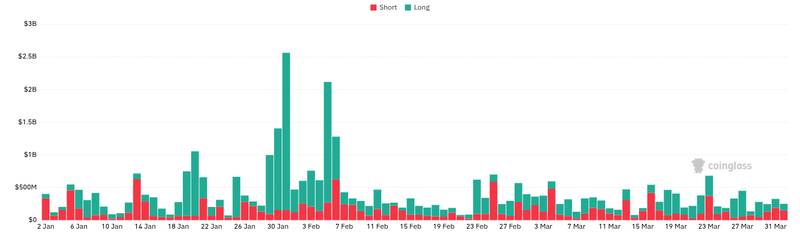
Supply in loss measures the percentage of all Bitcoin held by addresses whose coins are currently worth less than what they paid. When this metric rises, it signals that more holders are underwater, which can increase selling pressure as those investors look to exit at breakeven or cut losses.
An increase in supply in loss during a recovery phase is not automatically bearish. It can reflect new buyers entering at elevated prices who are then caught by short-term pullbacks, while longer-term holders remain in profit. The 87.3% supply-in-profit reading confirms that the vast majority of the network is still above water, even as the losing cohort grows at the margin.
The cautionary interpretation is more direct: if supply in loss continues to expand while the price fails to hold the $92,900 STH cost basis, it would indicate that the recovery is losing momentum. Glassnode noted that the STH Profit/Loss Ratio sitting at 1.0 remained an exit-risk zone, where short-term holders historically tend to sell into strength rather than hold through it.
This dynamic is similar to patterns seen in previous cycles, including during periods when large on-chain movements shifted market sentiment rapidly. The interplay between supply in profit and supply in loss often determines whether a recovery matures into a sustained uptrend or stalls.
What traders should watch next in Glassnode’s BTC data
The most immediate signal is whether Bitcoin can sustain daily closes above the $92,900 STH cost basis. A sustained reclaim would flip the short-term holder cohort back into aggregate profit, historically a precursor to continued upside. A failure to hold would confirm Glassnode’s caution that the move was only momentary.
Beyond the STH cost basis, the STH Profit/Loss Ratio deserves close attention. A decisive move above 1.0 would indicate that short-term holders are net profitable and less likely to panic sell, while a drop below would signal growing stress. Institutional flows also remain a key variable, as the $1.54 billion single-day ETF inflow demonstrated the scale of demand that can materialize quickly, a trend that institutional players like Franklin Templeton are increasingly positioning around.
On-chain exchange balances and miner outflows provide additional context. A decline in exchange-held BTC would suggest holders are moving coins to cold storage rather than preparing to sell, reinforcing the recovery thesis. Conversely, rising exchange inflows alongside expanding supply in loss would be an early warning of capitulation risk.
Bitcoin traded at $68,124 at press time, well below the $92,900 threshold that Glassnode identified as the recovery benchmark. The Fear and Greed Index sat at 8, deep in Extreme Fear territory, reflecting a market that has pulled back significantly since Glassnode published its April analysis.
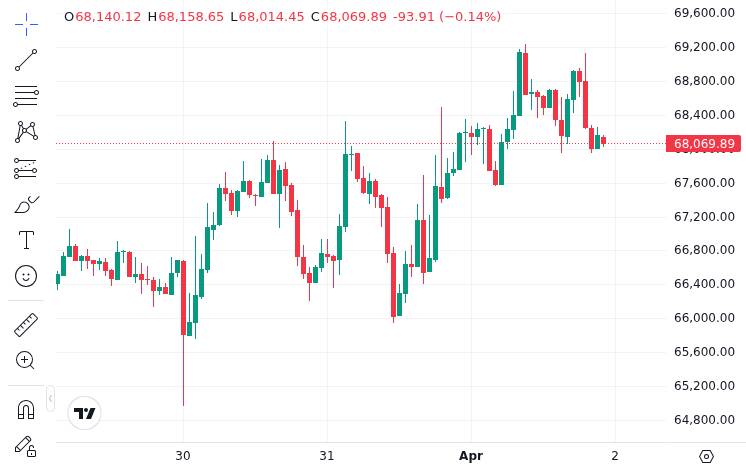
That gap between the current price and the STH cost basis underscores exactly the tension Glassnode flagged. Policy decisions, including potential shifts at the Federal Reserve under new leadership, could catalyze the next directional move. Until Bitcoin reclaims and holds above $92,900, the on-chain data points to a recovery that remains incomplete.
Disclaimer: This article is for informational purposes only and does not constitute financial or investment advice. Cryptocurrency and digital asset markets carry significant risk. Always do your own research before making decisions.