



Bitcoin surged past $87,000 as institutional capital flows into digital asset investment products reached elevated levels, reinforcing demand-side pressure that has driven the leading cryptocurrency to new local highs.
TLDR Key Points
- Bitcoin crossed the $87,000 level amid sustained buying pressure
- Institutional fund flows into crypto products have accelerated in recent weeks
- The breakout follows a consolidation phase that lasted several sessions
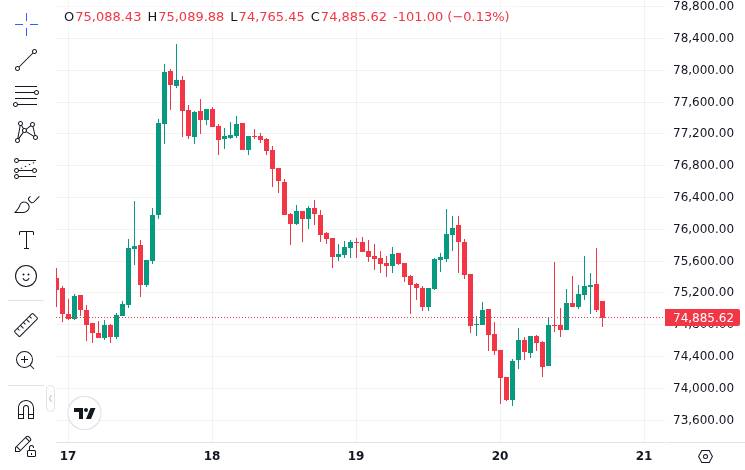
Bitcoin Breaks Above $87,000 After Extended Consolidation
The move above $87,000 came after Bitcoin spent multiple sessions trading in a tight range, building pressure before the upside breakout. Spot market volume picked up noticeably during the push higher.
Bitcoin’s price action reflected a shift from sideways consolidation into directional momentum, with buyers absorbing available supply at prior resistance levels.
Sentiment Flips From Neutral to Bullish
The Fear and Greed Index reflected the sentiment shift accompanying the price move, as market participants pivoted from cautious positioning to more aggressive accumulation.
Institutional Inflows Reinforce Demand Structure
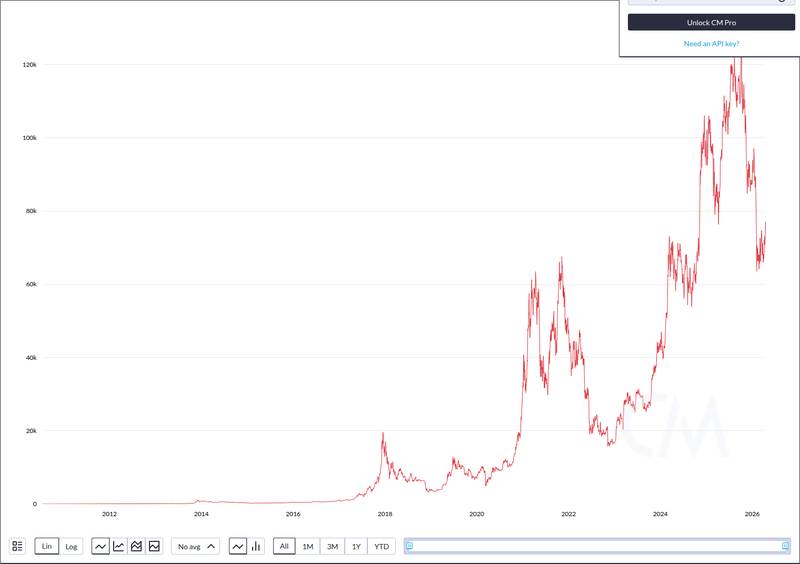
Weekly digital asset fund flow data from CoinShares showed institutional products attracting significant capital, with Bitcoin-focused vehicles capturing the majority of inflows.
Spot Bitcoin ETF tracking data from Farside Investors confirmed sustained net positive flows into U.S.-listed products, a pattern that has characterized much of the current cycle. The broader trend mirrors dynamics seen during previous ETF-driven rallies in late 2024.
How Institutional Flows Differ From Retail-Led Rallies
Institutional inflows tend to be stickier than retail-driven speculative bursts. Fund products typically hold allocations over weeks or months rather than rotating in and out within days.
This structural demand creates a higher floor for prices during pullbacks, though it does not eliminate volatility. The regulatory environment surrounding crypto products continues to evolve, which can influence institutional allocation decisions.
However, record inflows do not guarantee sustained upside. Previous cycles have shown that institutional positioning can reverse if macro conditions shift or regulatory headwinds emerge unexpectedly.
Near-Term Market Outlook After the Breakout
With Bitcoin now trading above $87,000, the immediate question centers on whether this level holds as support or whether the move fades. The broader crypto ecosystem has shown signs of increased participation beyond Bitcoin alone.
In a bullish scenario, sustained ETF inflows and continued spot demand could push Bitcoin toward testing higher resistance zones. The base case sees the market consolidating around current levels as participants digest the move.
A bearish reversal would require a notable shift in fund flows, with institutional products seeing net outflows or macro catalysts triggering risk-off positioning. Developments across altcoin markets could also signal shifts in broader risk appetite.
Traders should note that rapid advances often produce short-term positioning risks, particularly in leveraged derivatives markets where concentrated long exposure can amplify downside moves if momentum stalls.
Disclaimer: This article is for informational purposes only and does not constitute financial or investment advice. Cryptocurrency and digital asset markets carry significant risk. Always do your own research before making decisions.