



Bitcoin pulled back after approaching the $80,000 level, as a rise in oil prices added pressure to risk assets and dampened short-term momentum across crypto markets.
Bitcoin pulls back after nearing the $80,000 level
Bitcoin traded near $80,000 before losing steam, failing to break decisively above the round-number threshold. The $80,000 mark has acted as a psychological barrier, drawing attention from traders watching for a confirmed breakout.
The rejection near this level came as broader market conditions shifted. Rather than signaling a structural breakdown, the pullback reflected a stall in momentum at a widely watched price zone, similar to how Bitcoin reacted during earlier approaches toward round-number milestones.
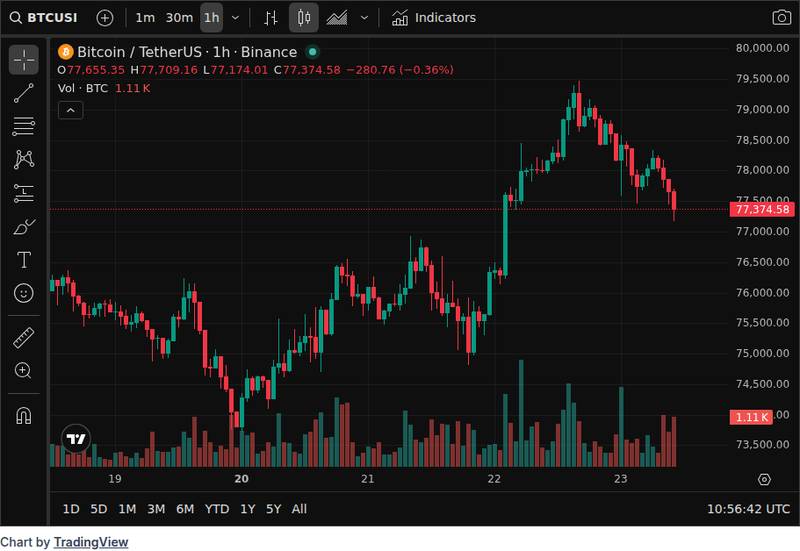
The failed push leaves Bitcoin in a consolidation range. Traders who had positioned for a breakout, including those tracking institutional capital flows into the crypto sector, now face a market lacking immediate upside catalysts.
Why rising oil prices are weighing on broader risk assets
The pullback coincided with rising oil prices, which have historically pressured risk-sensitive assets including equities and cryptocurrencies. Higher energy costs can feed into inflation expectations, making traders less willing to hold speculative positions.
When oil prices climb sharply, as seen during periods of Middle East-driven energy turbulence, risk appetite across asset classes tends to contract. Bitcoin, increasingly correlated with macro sentiment, has not been immune to these shifts.
The broader risk-off tone extended beyond crypto. Equity markets also showed hesitation, reinforcing that the pressure was macro-driven rather than specific to digital assets. This dynamic has highlighted how global instability ripples through financial systems, affecting everything from stablecoin adoption in emerging markets to major token prices.
What traders may watch next after the failed push toward $80,000
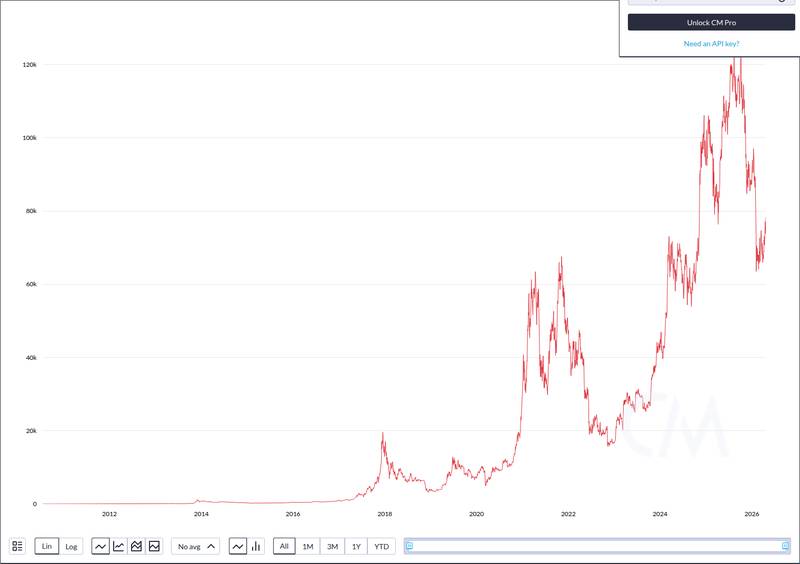
With Bitcoin unable to hold gains near $80,000, attention shifts to whether the level can be retested or if sellers will push prices into a deeper correction. The $80,000 zone remains the key reference point for gauging near-term direction.
Macro sensitivity is likely to remain elevated. If oil prices continue to rise, risk assets could face additional headwinds. Conversely, any stabilization in energy markets might reopen the window for a renewed attempt at $80,000, particularly if developments like exchange-level activity and token distributions signal renewed retail engagement.
For now, traders are watching whether Bitcoin can hold support below $80,000 rather than chasing a breakout. The interplay between energy prices and crypto sentiment suggests the next move may depend as much on oil markets as on crypto-specific catalysts.
Additional source references: source document 1.
Disclaimer: This article is for informational purposes only and does not constitute financial or investment advice. Cryptocurrency and digital asset markets carry significant risk. Always do your own research before making decisions.