


Bitcoin fell below $66,000 as escalating U.S.-Iran military tensions triggered a broad risk-off move across crypto markets, wiping out hundreds of millions in leveraged positions and pushing sentiment to extreme lows.
Why Bitcoin slipped below $66K during the Iran shock
The sell-off followed a confirmed geopolitical escalation. The White House announced that President Donald J. Trump authorized Operation Epic Fury on March 1, 2026, a military campaign targeting Iran’s nuclear program, ballistic missile arsenal, proxy terror networks, and naval forces.
Bitcoin was trading at $66,237 at the time of writing, down 1.71% over the previous 24 hours. Market cap sat at roughly $1.33 trillion with 24-hour trading volume near $48.64 billion.
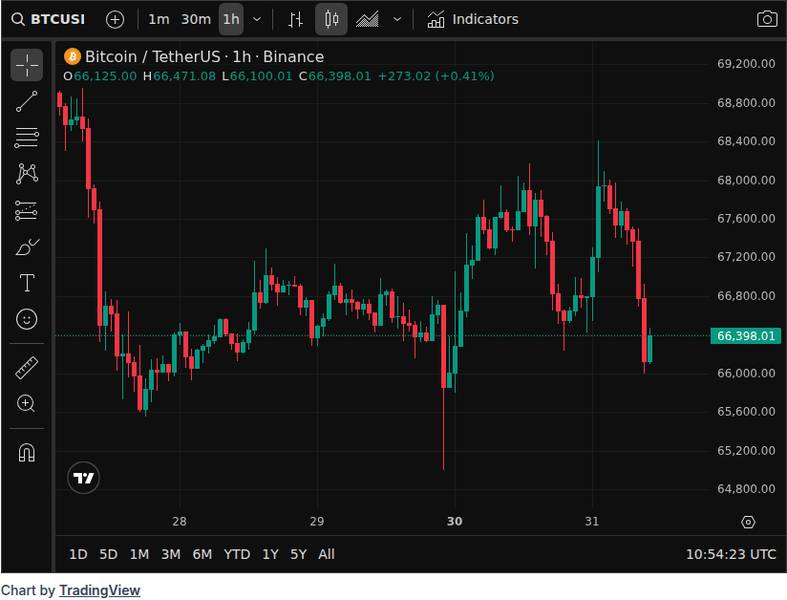
The original headline framing suggested Bitcoin dipped specifically ahead of a U.S. Department of War press briefing. However, the available evidence does not confirm a single identifiable briefing as the trigger. What is verified is that Bitcoin weakened amid a broader geopolitical risk repricing tied to confirmed U.S. military action against Iran.
The pattern mirrors how crypto markets have historically reacted to sudden geopolitical shocks, similar to the volatility seen when SEC-approved crypto ETFs briefly steadied sentiment earlier this year before macro forces reasserted control.
How deep the market stress became across crypto
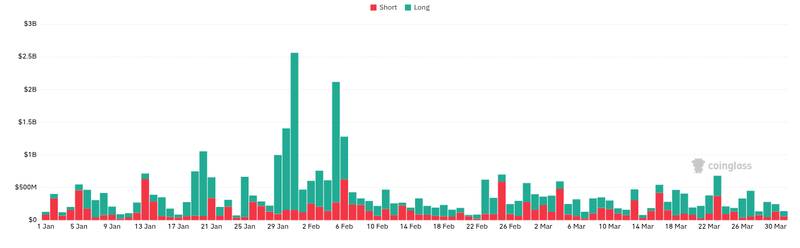
The damage extended well beyond a modest spot price decline. Cointelegraph reported that Bitcoin had earlier plunged to $63,000 on Saturday following U.S.-Israeli air strikes on Iran before recovering toward $68,200.
That swing liquidated roughly 157,000 traders for approximately $657 million, according to CoinGlass data cited by Cointelegraph. The scale of forced closures underscored how heavily leveraged crypto positioning had become heading into the escalation.
The Fear & Greed Index dropped to 11, a reading labeled Extreme Fear. That level reflects risk appetite collapsing across the broader crypto market, not just in Bitcoin.
For traders across Southeast Asia following developments on platforms like fan token partnerships and blockchain conferences, the sudden shift in global risk sentiment served as a reminder that macro events can overwhelm sector-specific narratives overnight.
What traders should watch after the initial sell-off
No crypto-specific regulatory filing, enforcement action, or policy change was identified as a driver behind this decline. The catalyst was purely geopolitical, tied to the U.S.-Iran military conflict.
Bitcoin remained near the $66,000 area after the initial shock, suggesting traders were still actively repricing headline risk rather than capitulating outright. The earlier bounce from $63,000 back above $66,000 showed buyers stepping in at lower levels, but sustained recovery has not materialized.
The key variables to monitor are further developments in the U.S.-Iran conflict, whether the Extreme Fear reading persists or begins to normalize, and whether BTC can hold the $66,000 zone or breaks down to retest the $63,000 low. Until the geopolitical backdrop stabilizes, crypto markets are likely to remain reactive to war-related headlines.
Disclaimer: This article is for informational purposes only and does not constitute financial or investment advice. Cryptocurrency and digital asset markets carry significant risk. Always do your own research before making decisions.