


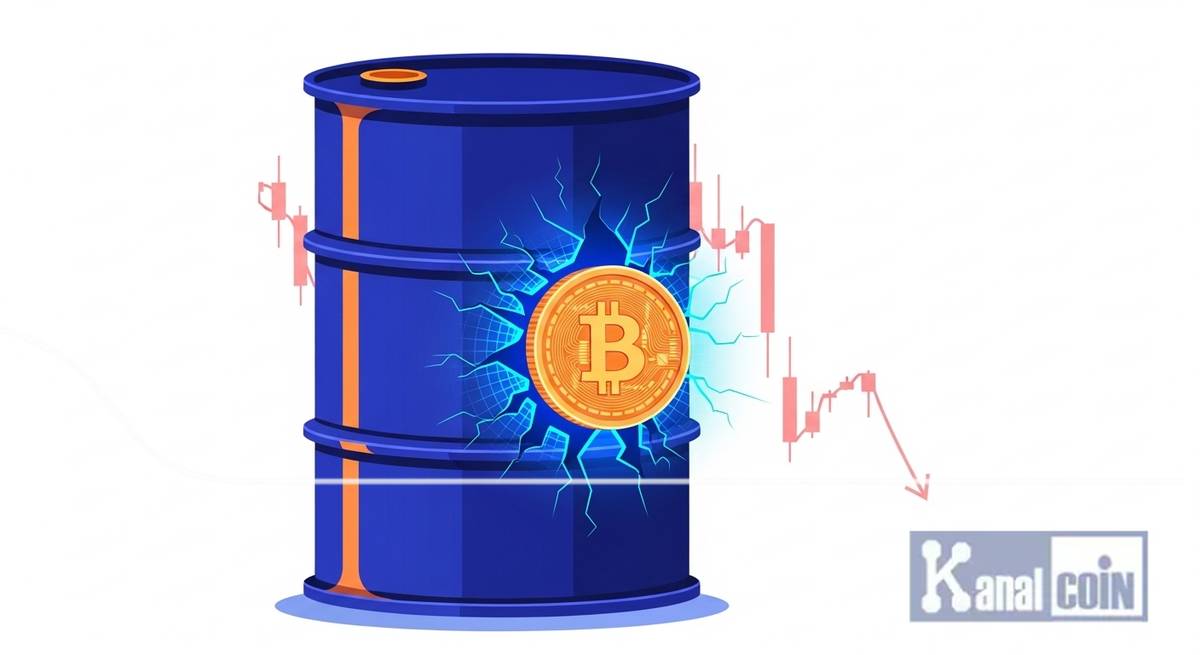
Dow futures fell 510 points late Wednesday as oil prices surged past $94 a barrel, dragging Bitcoin below $70,000 and intensifying pressure on Southeast Asian economies already scrambling to contain fuel costs from the ongoing Iran war.
TLDR KEYPOINTS
- Dow futures dropped 510 points as WTI crude surged past $94 after fresh attacks on oil tankers in Iraqi waters
- Bitcoin slipped to $69,815 with the Fear & Greed Index at 18 (Extreme Fear), though BTC has gained 3.6% since the conflict began on February 28
- Thailand, Philippines, and Vietnam introduced emergency energy-saving measures as every $10 per barrel oil increase cuts ASEAN current accounts by 0.2-0.9% of GDP
Fresh Attacks Near Strait of Hormuz Keep Oil Climbing
U.S. forces on Tuesday sank 16 mine-laying Iranian ships near the Strait of Hormuz, the chokepoint through which roughly 20% of global oil passes. Hours later, attacks on two oil tankers in Iraqi waters sent Brent crude soaring as much as 10.5%.
WTI crude futures traded at $94.73 on Wednesday, with a daily range between $88.89 and $95.96. Brent crude has risen 36% year-to-date, while WTI has climbed 32% since January.
The spike came despite coordinated supply interventions. The U.S. announced a release of 172 million barrels from the Strategic Petroleum Reserve, while the International Energy Agency agreed to release 400 million barrels to stabilize markets.
S&P 500 futures fell 0.84% and Nasdaq 100 futures dropped 0.85%, extending a volatile stretch that earlier this week saw oil briefly touch $119.48 after Israel bombed 30 Iranian oil depots.
Bitcoin Holds at $69,815 as Extreme Fear Grips the Market
Bitcoin traded at $69,815 on Thursday morning in Asia, down 3.56% over the past seven days. The 24-hour range spanned $69,034 to $71,230. Ethereum held at $2,038, up 1.25% in 24 hours.
The Fear & Greed Index sat at 18, deep in Extreme Fear territory. BTC remains roughly 44.6% below its all-time high of $126,080 set in October 2025.
Despite the fear reading, Bitcoin has gained 3.6% since the first U.S. strike on Iran on February 28, testing whether the geopolitical hedge thesis holds under sustained war conditions.
Jake Ostrovskis, head of OTC at Wintermute, said the oil move matters more for crypto than the geopolitics itself. The mechanism is straightforward: oil above $80 per barrel hardens the re-inflation narrative, pushing central banks to delay the rate cuts that crypto markets have been pricing in.
“Liquidity drives bitcoin. If the conflict extends, deficit spending accelerates and the dollar weakens, which historically supports non-dollar assets like bitcoin.”
Mark Connors, macro strategist at Risk Dimensions, via CoinDesk
Connors noted that U.S. federal debt is rising at a roughly 14% annualized pace since mid-2025, a trajectory he characterized as “debasement” that could ultimately benefit Bitcoin holders.
Crypto Traders Turn to DeFi for Round-the-Clock Oil Exposure
The war has turned decentralized exchanges into round-the-clock commodity trading venues. Oil-linked perpetual futures on Hyperliquid hit a record $1.2 billion in open interest over the weekend, as traders sought exposure when traditional commodity markets were closed.
Oil’s 30% surge on the initial Iran escalation triggered $37 million in liquidations on the platform, with $36.9 million coming from short positions. Hyperliquid’s permissionless futures market allows anyone with a crypto wallet to trade oil, gold, and silver derivatives without a brokerage account.
ASEAN Economies Bear the Brunt of Rising Fuel Costs
Southeast Asian nations, net oil importers that rely heavily on Middle Eastern crude, are feeling the squeeze most acutely. MUFG Research estimates every $10 per barrel oil price increase could shrink current account positions across Asian economies by 0.2% to 0.9% of GDP, with Thailand, Singapore, and the Philippines facing the largest hits.
Governments have responded with emergency measures. Thailand suspended overseas travel for civil servants and urged workers to take stairs instead of elevators. The Philippines introduced a temporary four-day work week for some government agencies, even as Filipino sailors remain stranded near the Strait of Hormuz.
Vietnam is encouraging remote work to reduce commuter fuel consumption. Malaysia’s Prime Minister Anwar Ibrahim said the government could maintain the RON95 fuel price ceiling at RM1.99 per liter (about $0.51) for approximately two months if tensions escalate further, absorbing the subsidy cost rather than passing oil prices through to consumers.
For the region’s 700 million people, higher fuel costs feed directly into food prices, transportation costs, and inflation readings that central banks from Jakarta to Bangkok must weigh against growth.
SPR Release Next Week Sets the Next Test for Markets
President Donald Trump earlier this week said the war will end “very soon,” a statement that briefly sent oil tumbling 28% from its $118 peak. Energy Secretary Chris Wright added that the U.S. does not plan to strike Iran’s oil infrastructure or energy facilities.
JPMorgan analysts warned that sustained conflict could push oil above $100 per barrel, a threshold that would strain economies already dealing with inflation from tariffs and supply chain disruptions.
The 172 million barrel SPR release begins next week, with delivery expected to take roughly 120 days. For Southeast Asian markets, the speed at which oil stabilizes will determine whether emergency fuel measures remain temporary or become a prolonged fiscal burden that reshapes regional crypto sentiment alongside it.
Disclaimer: This article is for informational purposes only and does not constitute financial advice. Cryptocurrency investments carry significant risk. Always conduct your own research before making investment decisions.