


U.S. spot Bitcoin ETFs recorded their first positive week since October during the Nov. 24-28, 2025 trading window, pulling in roughly $70.2 million in net inflows and snapping a four-week streak of redemptions that had drained billions from the sector.
TLDR KEY POINTS
- U.S. spot Bitcoin ETFs posted a net inflow of $71.4 million on Nov. 28, 2025.
- The full Nov. 24-28 week delivered approximately +$70.2 million in net inflows.
- The positive week was the first since October, ending four consecutive weeks of outflows.
Spot Bitcoin ETFs end a four-week outflow streak
The Nov. 28 session closed with $71.4 million in net inflows across U.S. spot Bitcoin ETFs, the strongest single-day print of the week. That daily figure capped a gradual recovery that saw flows swing from -$151.0 million on Nov. 24 to +$128.7 million on Nov. 25 and +$21.1 million on Nov. 26.
Summing those daily totals yields a net weekly inflow of about $70.2 million for the Nov. 24-28 period. The reversal ended four straight weeks of ETF outflows that had pulled roughly $4.35 billion from the sector, a stretch that had prompted questions about whether institutional appetite for Bitcoin exposure was fading.
While the weekly net figure is modest compared to the preceding outflows, the shift in direction is the signal that matters. The four-week drawdown had been the longest sustained redemption run since spot Bitcoin ETFs launched in January 2024, making even a small positive print noteworthy for market structure watchers. The reversal also came during a period of broader exchange-level reshuffling, as platforms adjusted their token listings.
Fidelity and ARK offset BlackRock’s outflows
The net-positive outcome on Nov. 28 was not uniform across issuers. BlackRock’s iShares Bitcoin Trust (IBIT), the largest spot Bitcoin ETF by assets, actually posted $113.7 million in outflows on the day.
Fidelity’s FBTC absorbed $77.5 million in new capital, while ARK 21Shares’ ARKB added $88 million. Together, those two funds more than offset BlackRock’s single-day redemption, pushing the sector total into positive territory.
The divergence between issuers highlights an important dynamic: IBIT’s outflow did not define the broader sector trend. Investors who redeemed from BlackRock’s fund may have been rotating into lower-fee alternatives or rebalancing across the growing menu of Bitcoin custody and access products rather than exiting crypto entirely.
FBTC and ARKB have consistently served as the primary counterweights to IBIT during periods of mixed flows. The Nov. 28 session reinforced that pattern, with the two funds collectively absorbing $165.5 million while IBIT shed $113.7 million.
Bitcoin’s move back above $90,000 set the market backdrop
Bitcoin climbed back above $90,000 on Nov. 27, 2025, the day before the strongest ETF inflow session of the week. The price recovery reportedly put BlackRock IBIT holders back in profit, easing the redemption pressure that had built during the prior weeks of drawdowns.
The correlation between the price rebound and the flow reversal is suggestive but not causal proof. ETF inflows can lag price moves by days as advisors and institutional allocators process rebalancing decisions. Still, the timing supports the view that the $90,000 level served as a psychological threshold for institutional holders.
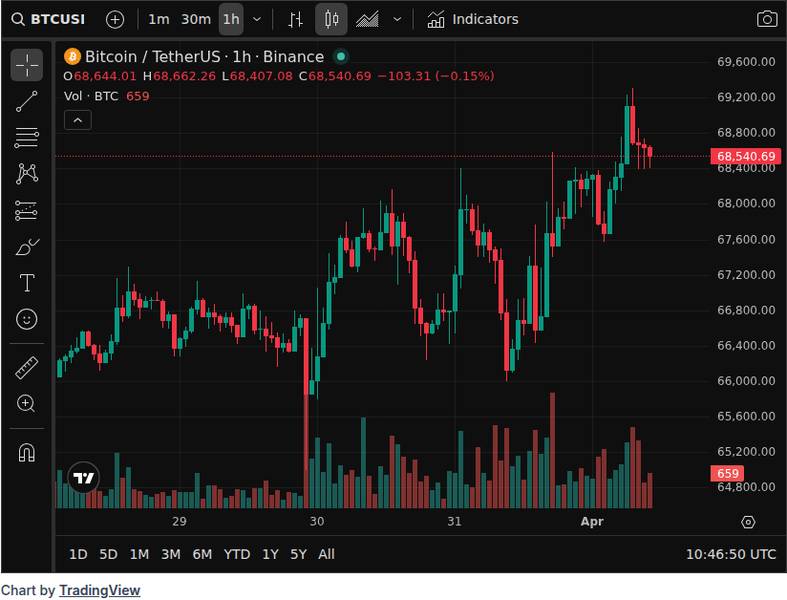
The broader context matters: the four-week outflow streak coincided with Bitcoin falling below levels where many late-2024 ETF buyers had entered. Once price recovered above $90,000, the cost-basis math shifted back in favor of holders, reducing the incentive to redeem. This dynamic is particularly relevant for Bitcoin-related products across exchanges, where deposit and withdrawal activity often mirrors ETF flow trends.
Whether the Nov. 24-28 reversal marks the start of a sustained inflow trend or a single positive week in a choppy stretch depends largely on where Bitcoin trades next. The $70.2 million weekly figure is a fraction of the $4.35 billion that left during the prior month, and recouping those outflows would require weeks of consistent positive flows at significantly higher levels.
Disclaimer: This article is for informational purposes only and does not constitute financial or investment advice. Cryptocurrency and digital asset markets carry significant risk. Always do your own research before making decisions.