



Bitcoin ETF flows have turned positive for the year, according to BNY’s global head of ETFs, marking a reversal from earlier net outflows that had weighed on sentiment around spot Bitcoin investment products.
The statement came during a CNBC interview in which BNY’s ETF chief discussed broader ETF market trends, noting record new issuance of ETFs over recent months. The shift in Bitcoin ETF flows from negative to positive on a year-to-date basis signals that recent inflows have now exceeded the cumulative redemptions recorded earlier in the year.
TLDR Keypoints
- BNY’s global head of ETFs confirmed that Bitcoin ETF flows have moved into positive territory for the year.
- The turnaround means recent inflows have offset all prior year-to-date outflows from spot Bitcoin ETF products.
- The reversal is seen as a signal of renewed institutional participation in Bitcoin through regulated vehicles.
How Bitcoin ETF flows reversed course
Year-to-date ETF flow data tracks the cumulative net difference between money entering and leaving a fund over the calendar year. When that number turns positive after being negative, it means that buying activity in recent weeks or months has been strong enough to erase all prior net selling.
For spot Bitcoin ETFs, this distinction matters because daily flow figures can swing sharply in either direction. A single session of heavy inflows does not necessarily indicate a trend. The year-to-date measure smooths out that noise and reflects the broader direction of capital allocation.
The fact that cumulative flows have now crossed back above zero suggests sustained demand rather than a one-off spike. This pattern aligns with broader ETF market momentum that BNY described as a period of record new product issuance, an environment in which major exchanges are also expanding their U.S. presence to capture growing institutional interest.
Why the flow reversal matters for Bitcoin sentiment
Spot Bitcoin ETF flows have become one of the most closely watched metrics in crypto markets. Because these products allow traditional investors to gain Bitcoin exposure without holding the asset directly, their flow data serves as a proxy for institutional appetite.
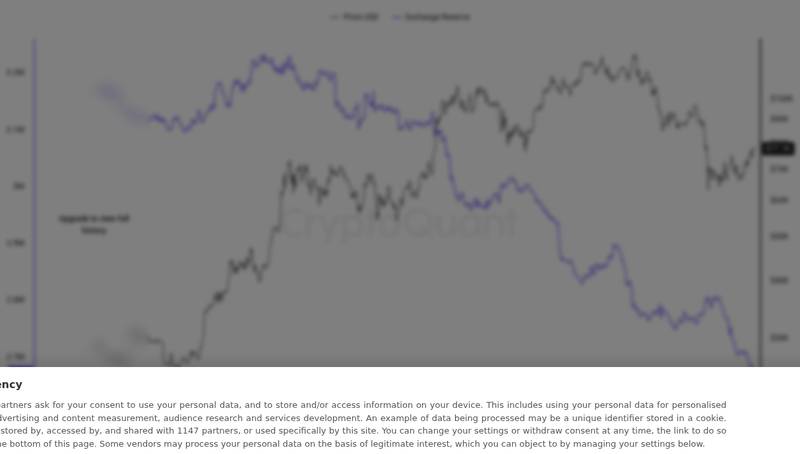
Positive year-to-date flows shift the market narrative. When flows were negative, it supported the argument that institutional interest was fading. With flows now positive, that argument weakens, even as broader exchange reserve trends on-chain continue to show movement off centralized platforms.
It is worth distinguishing what ETF flows can and cannot signal. Positive flows indicate demand for the product, but they do not guarantee upward price movement. Other factors, including macroeconomic conditions, regulatory developments like stablecoin enforcement actions, and broader risk appetite, all play a role in determining where Bitcoin trades.
Still, the shift carries weight. ETF flow reversals have historically coincided with periods of renewed market confidence. For traders watching institutional positioning, year-to-date flows turning positive removes a bearish data point and adds a cautiously constructive one.
The development also arrives during a period of increased activity across crypto financial infrastructure, with firms like MoonPay launching new fiat-to-crypto on-ramps in major markets, further broadening access for both retail and institutional participants.
Additional source references: source document 1.
Disclaimer: This article is for informational purposes only and does not constitute financial or investment advice. Cryptocurrency and digital asset markets carry significant risk. Always do your own research before making decisions.