



Bitcoin’s sharp decline triggered $581 million in crypto liquidations, flushing out leveraged long positions across the derivatives market in one of the largest liquidation events in recent weeks.
TLDR KEY POINTS
- Bitcoin dropped to around $78,000 as rate hike fears swept the market
- The sell-off triggered approximately $581 million in crypto liquidations, predominantly long positions
- Cascading liquidations amplified losses beyond Bitcoin into major altcoins and derivatives markets
Bitcoin Fell to $78,000 as Rate Hike Fears Intensified
Bitcoin dropped to $78,000 as renewed concerns over potential interest rate hikes rattled crypto markets. The move lower came swiftly, catching leveraged traders off guard and triggering a cascade of forced closures across exchanges.
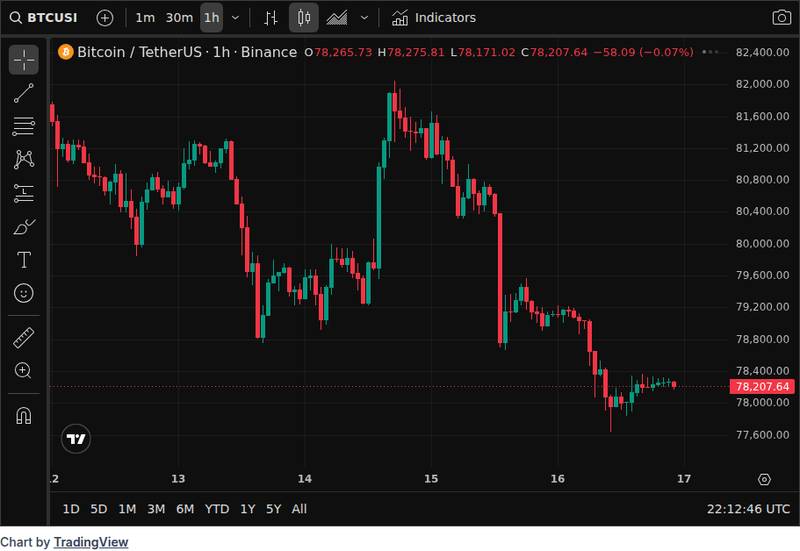
The bulk of the $581 million in liquidations came from traders holding long positions, reflecting how heavily the market had been positioned for continued upside. When Bitcoin broke below key support levels, those leveraged bets were forcibly closed by exchanges.
The speed of the decline is notable. Rapid price drops compress the window in which traders can add margin or close positions voluntarily, turning an orderly pullback into a liquidation cascade. This dynamic, where open interest in perpetual futures builds up during rallies, often sets the stage for outsized liquidation events when sentiment reverses.
Liquidation Pressure Spread Beyond Bitcoin
While Bitcoin’s drop was the catalyst, the $581 million figure reflects liquidations across the broader crypto market, not just BTC-denominated positions. Major altcoins saw correlated sell-offs as traders reduced risk exposure across portfolios.
Leveraged trading on perpetual futures contracts amplifies both gains and losses. When prices move against highly leveraged positions, exchanges automatically liquidate them to prevent negative balances. Each forced closure adds selling pressure, which pushes prices lower and triggers further liquidations in a feedback loop.
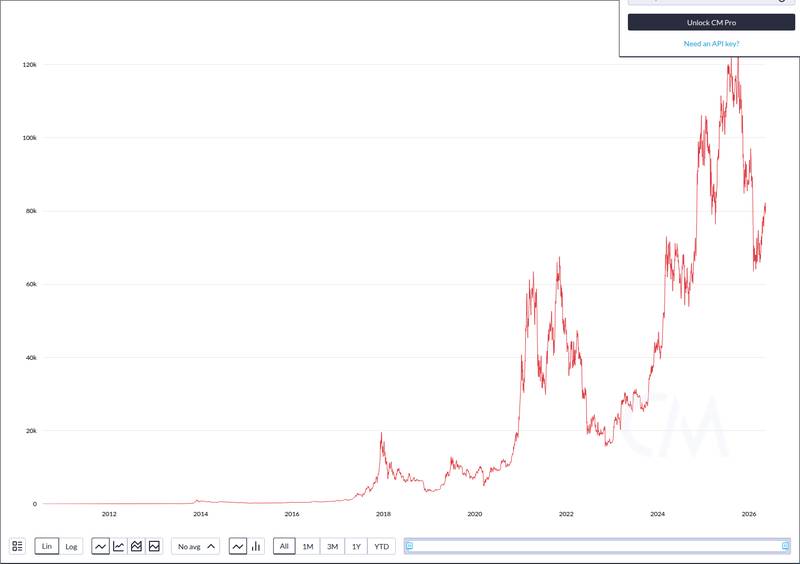
This type of contagion is common in crypto derivatives markets. Institutional and retail traders alike use cross-margin accounts where a loss in one position can trigger liquidations in others, spreading the impact from Bitcoin into Ethereum, Solana, and other large-cap tokens. Events like institutional portfolio rebalancing can further amplify directional moves during periods of elevated volatility.
What Traders Should Watch in the Near Term
After a liquidation event of this scale, liquidation data from platforms like Coinglass can signal whether forced selling has run its course or whether additional clusters of leveraged positions remain vulnerable at lower price levels.
The $78,000 level now serves as a reference point. If Bitcoin stabilizes near or above that price, it may indicate that the bulk of overleveraged positions have already been flushed. A break below could expose additional liquidation clusters and extend the sell-off.
Funding rates on perpetual futures contracts are one metric worth monitoring. Sharply negative funding rates after a liquidation event typically suggest that short-term bearish sentiment has peaked, while persistently positive rates could mean long positioning is rebuilding prematurely. Developments like the recent Kite mainnet launch highlight that project-level catalysts can still move individual tokens independently of broader market stress.
Volatility is likely to remain elevated in the coming sessions as the market digests rate hike expectations and traders reassess positioning after the flush.
Disclaimer: This article is for informational purposes only and does not constitute financial or investment advice. Cryptocurrency and digital asset markets carry significant risk. Always do your own research before making decisions.