


An analyst warns the Federal Reserve is overlooking clear recession signals in the United States, even as the central bank’s own data shows weakening labor markets, declining regional activity, and elevated recession probability heading into mid-2026.
The critique centers on Danielle DiMartino Booth, founder of QI Research, who said in a January 2026 interview that markets were ignoring a recession “hiding in plain sight.” Booth argued that recent payroll data had no precedent outside recessionary conditions, directly challenging the Fed’s pace of monetary easing under Chair Jerome Powell.
“We’ve never seen any precedents of these types of data without already being in recession.”
— Danielle DiMartino Booth, QI Research, via TheStreet
That warning, made in early January, has since been reinforced by months of official Federal Reserve data that paint an increasingly cautious picture of the U.S. economy.
Fed Data Backs the Warning, but Policy Holds Steady
At its March 17-18 meeting, the FOMC held the federal funds target range at 3.5% to 3.75%. The minutes noted that job gains had remained low and that risks to employment were skewed to the downside, yet the committee chose not to cut rates.
The New York Fed’s March 2026 DSGE model forecast put the probability of a recession over the next four quarters at 35.8%, down slightly from 37.5% in December but still materially elevated by historical standards.
The March 4 Beige Book added further evidence: five of twelve Federal Reserve districts reported flat or declining activity. Minneapolis activity fell slightly, and San Francisco activity contracted slightly, signaling that weakness was not confined to a single region.
Governor Christopher Waller made a similar case even earlier. In a January 30 statement, Waller noted that 2025 payroll growth totaled just under 600,000, compared to a prior ten-year average near 1.9 million. He argued the labor market remained weak enough to justify easier policy, putting him at odds with the committee’s decision to hold.
Consumer sentiment data tells a consistent story. The Conference Board’s January 2026 expectations index fell to 65.1, well below the 80 threshold that historically signals a recession ahead. That marked a twelfth straight month below that level.
The disconnect is clear: multiple Fed-system indicators flash caution, yet the policy rate remains unchanged. This is the core of Booth’s critique, that the central bank’s own evidence supports a more aggressive easing path than it has pursued.
Why the Fed-Recession Debate Matters for Bitcoin
Bitcoin traded at $71,592 at press time, down roughly 1.5% over 24 hours. The crypto Fear & Greed Index sat at 16, deep in “Extreme Fear” territory, reflecting broad risk-off positioning that extends well beyond crypto-specific catalysts.
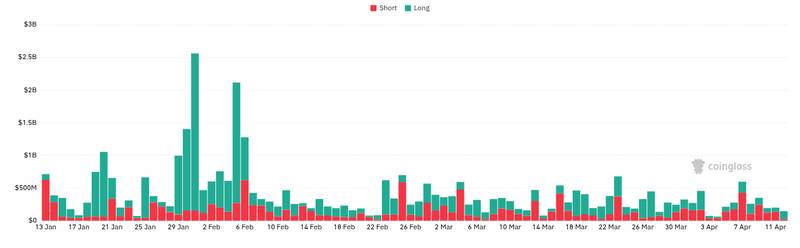
For crypto markets, the macro debate matters because Fed rate decisions directly affect dollar liquidity and risk appetite. A delayed policy response to weakening economic conditions could prolong the current environment of tight financial conditions, which has historically pressured risk assets including Bitcoin. The recent drop below $72,000 after geopolitical headlines showed how sensitive BTC remains to macro shocks.
If recession signals continue to build without a Fed pivot, the resulting uncertainty could weigh further on crypto sentiment. Stablecoin flows, which some forecasts project reaching $719 trillion by 2035, may benefit as traders rotate into dollar-pegged assets during periods of elevated macro risk.
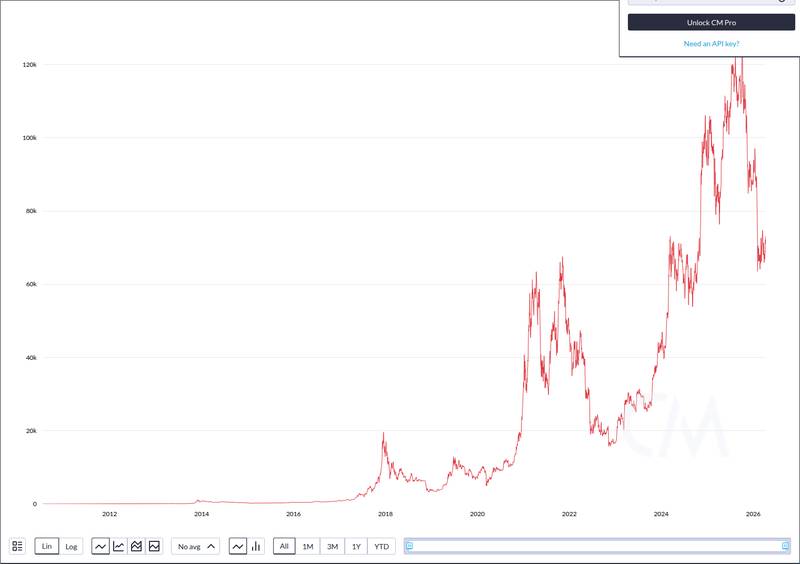
Conversely, an eventual rate cut cycle, should the Fed acknowledge the weakness its own data documents, would likely ease financial conditions and support a recovery in risk assets. The broader altcoin market has already shown vulnerability to macro headwinds, with XRP recently dropping to $1.33 alongside Bitcoin’s weakness.
The next FOMC meeting will be a key test of whether the committee shifts its tone. With recession probability above 35%, consumer confidence well below warning thresholds, and payroll growth at a fraction of its historical average, the gap between Fed data and Fed action remains the central tension for macro-sensitive traders in crypto and beyond.
Disclaimer: This article is for informational purposes only and does not constitute financial or investment advice. Cryptocurrency and digital asset markets carry significant risk. Always do your own research before making decisions.