



Nearly 50 million Americans now hold Bitcoin, surpassing gold ownership by roughly 13 million people, according to a report published by River, the Bitcoin financial services firm.
River released “The American Bitcoin Advantage” on May 20, 2025, arguing that the United States has become the global Bitcoin superpower. The report positions Bitcoin as emerging over gold as America’s preferred reserve asset, with an estimated 40% of total Bitcoin supply held by Americans.
49.6 million Bitcoin holders versus 36.7 million gold owners
The River data shows 49.6 million Americans hold Bitcoin compared with 36.7 million who own gold. That gap of nearly 13 million holders marks a significant shift in how Americans allocate savings outside traditional equities.
The disparity extends beyond headcount. Average Bitcoin holdings per owner stand at $11,089, while gold owners hold an average of just $1,512 per person. The roughly 7:1 ratio in per-owner value suggests Bitcoin holders are committing meaningfully larger positions than their gold-owning counterparts.
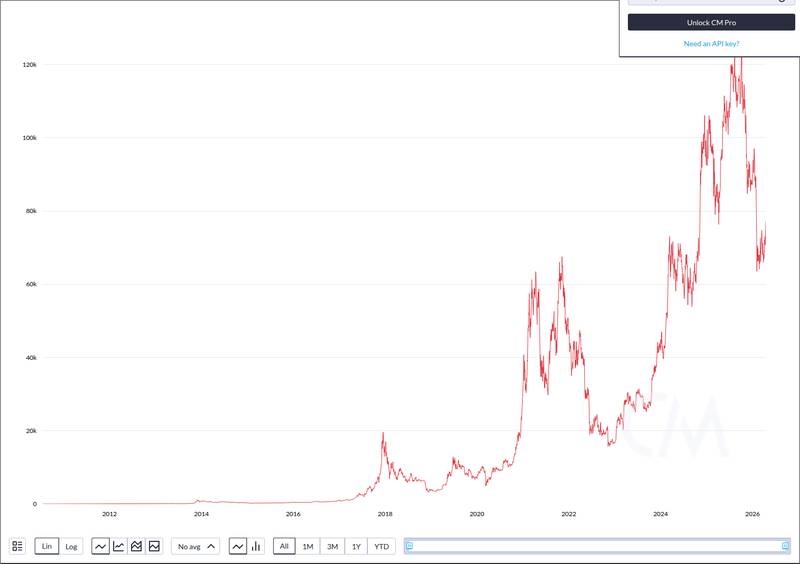
River’s figures put U.S. Bitcoin adoption at 14.3% of the population. Independent reporting from COIN360 corroborates the approximate scale, citing research showing around 50 million American Bitcoin owners versus roughly 37 million gold holders.
Why the Bitcoin-versus-gold comparison matters now
Gold has served as the benchmark store-of-value asset for decades, and surpassing it in U.S. ownership count carries symbolic weight. When more Americans choose a digitally scarce asset over the traditional safe haven, it signals that Bitcoin’s mainstream adoption story has moved beyond early-adopter circles.
The timing aligns with a broader shift in the U.S. policy backdrop. Spot Bitcoin ETF approvals and the emerging strategic Bitcoin reserve narrative have made it easier for retail and institutional participants alike to gain exposure. River’s report frames these ownership numbers as evidence that the United States is consolidating its lead, not just in holders but in infrastructure.
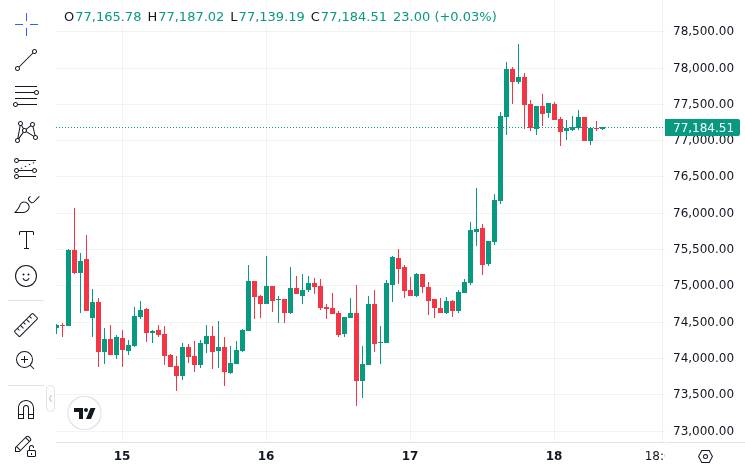
For context, Bitcoin traded at $77,175 at the time of this report’s research window, with a market capitalization above $1.54 trillion. That valuation dwarfs the combined holdings implied by the per-owner averages in River’s data, suggesting the ownership base skews heavily toward smaller retail positions with a long tail of larger holders.
The shift also matters for sentiment. The growing availability of spot crypto trading through traditional brokerages lowers friction for new entrants, while institutions exploring stablecoin-based treasury settlements suggest the financial system is adapting around digital assets rather than resisting them.
What readers should verify before drawing bigger conclusions
River’s comparison hinges on how “ownership” is defined. Bitcoin ownership can be measured through exchange accounts, on-chain addresses, survey responses, or estimated wallet holders. Gold ownership metrics face similar ambiguity, as they may count ETF shareholders, physical bullion holders, or jewelry owners differently.
The headline figure of 49.6 million Bitcoin holders does not equate to 49.6 million people holding meaningful positions. A dormant exchange account with $5 of Bitcoin counts the same as a wallet holding multiple coins. Readers should not confuse participation counts with total asset value; gold’s aggregate market value still dwarfs Bitcoin’s.
River is also not a neutral observer. As a Bitcoin-focused financial services company, its institutional incentive is to frame Bitcoin adoption positively. The underlying methodology for estimating holder counts is not fully public, which limits independent verification of the exact figures.
The U.S.-specific scope matters as well. These numbers say nothing about global ownership patterns, where gold retains overwhelming dominance in markets like India and China. Extrapolating a U.S. retail adoption snapshot into a permanent global trend would overstate what the data supports.
Disclaimer: This article is for informational purposes only and does not constitute financial or investment advice. Cryptocurrency and digital asset markets carry significant risk. Always do your own research before making decisions.