



Ethereum’s staking ratio has climbed to 31%, meaning nearly a third of all ETH in circulation is now locked in validator contracts, even as the token’s spot price remains under pressure.
Why the 31% staking ratio matters
The staking ratio measures the percentage of total ETH supply deposited into Ethereum’s proof-of-stake consensus layer. At 31%, it signals that a growing share of holders are choosing long-term network participation over short-term liquidity.
A higher staking ratio reduces the circulating supply available on exchanges, which can tighten sell-side pressure over time. It also reflects confidence among validators who are willing to lock capital despite unfavorable price conditions. Current staking data can be verified through Etherscan’s beacon chain tracker.
For context, Ethereum transitioned to proof-of-stake in September 2022, and the staking ratio has gradually increased since then. The climb to 31% represents a continuation of that trend rather than a sudden spike, as described on Ethereum’s official protocol documentation.
ETH price weakness creates the backdrop
While staking participation has grown, ETH’s spot price has remained soft. The divergence between rising validator commitment and weak market sentiment is the core tension in this data point.
This pattern is not unusual. Staking rewards denominated in ETH continue to accrue regardless of fiat price, giving long-horizon holders a reason to stake even during drawdowns. Validators who staked at higher price levels may also prefer to earn yield rather than sell at a loss.
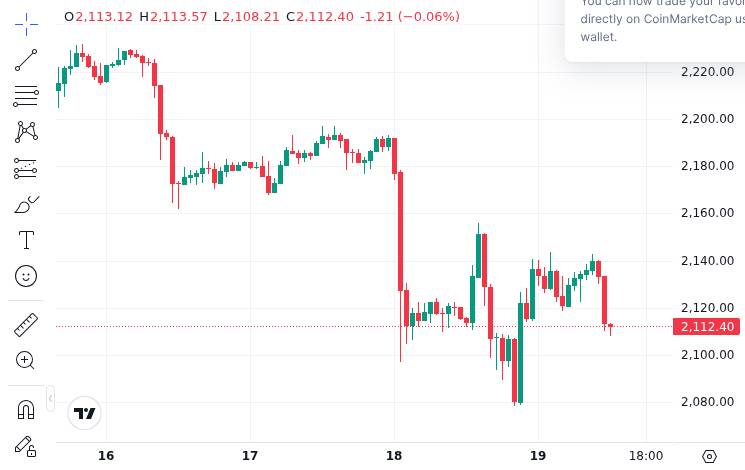
The weak price environment has also affected broader crypto market flows. U.S. spot Bitcoin ETFs posted a $649 million net outflow on May 18, suggesting that risk-off sentiment extends beyond Ethereum alone.
What Southeast Asian traders should watch next
For traders across Southeast Asia, the staking ratio trend carries specific implications. Platforms popular in the region, including Binance and OKX, both offer ETH staking products that allow users to participate without running their own validator nodes.
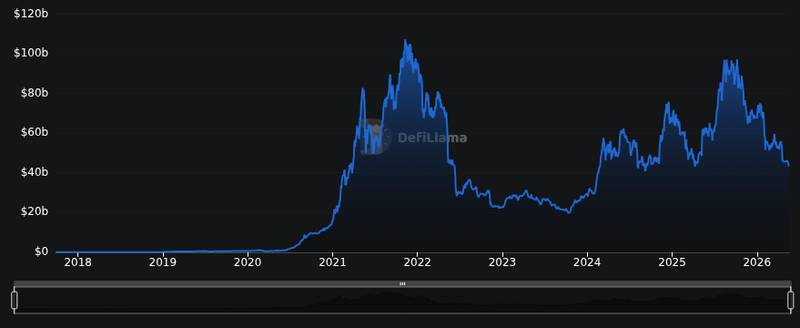
The divergence between staking growth and price weakness may create opportunities for regional DeFi participants as well. Ethereum’s ecosystem remains the largest by total value locked, and Southeast Asian users active on lending and yield protocols should monitor whether the rising staking ratio begins to reduce liquidity in DeFi pools.
Regulatory developments in the region also shape how accessible staking remains. Recent licensing moves in Europe under MiCA could influence how Asian regulators approach similar frameworks for staking services. Meanwhile, exchange-level disruptions, such as the recent temporary suspension of XRP deposits and withdrawals, remind traders to monitor platform-specific risks when assets are locked.
With 31% of ETH now staked, the network’s security budget continues to strengthen. Whether that validator conviction eventually translates into price recovery depends on broader market conditions, but the on-chain signal is clear: Ethereum holders are choosing commitment over exit.
Disclaimer: This article is for informational purposes only and does not constitute financial or investment advice. Cryptocurrency and digital asset markets carry significant risk. Always do your own research before making decisions.