


Circle, the company behind the USDC stablecoin, has introduced Arc, a Layer 1 blockchain built specifically for stablecoin-based finance. The network represents Circle’s push to create purpose-built infrastructure for payments, settlement, and onchain dollar transactions.
TLDR KEYPOINTS
- Arc is a Layer 1 blockchain from Circle designed specifically for stablecoin finance and USDC-native transactions.
- Circle has launched a public testnet for Arc, signaling active development toward a production network.
- The chain targets developers, fintechs, and payment companies looking for compliant stablecoin infrastructure.
What Is Arc and Why Is Circle Building It?
Arc is an open Layer 1 blockchain purpose-built for stablecoin finance, according to Circle’s official announcement. Rather than competing as a general-purpose smart contract platform, Arc focuses narrowly on dollar-denominated transactions powered by USDC.
Circle is best known as the issuer of USDC, one of the largest stablecoins by market capitalization. Building a dedicated chain gives Circle direct control over the settlement layer its stablecoin operates on, rather than relying entirely on third-party networks like Ethereum or Solana.
Who Is Arc For?
Arc targets developers, fintechs, exchanges, and payment companies that need fast, predictable stablecoin settlement. The chain is positioned as infrastructure for businesses building dollar-based financial products, not as a retail trading platform.
Circle has already launched a public testnet for Arc, allowing developers to begin experimenting with the network ahead of a mainnet release.
How a Stablecoin-First Blockchain Differs From General-Purpose Chains
General-purpose blockchains like Ethereum support everything from NFTs to DeFi lending to gaming. A stablecoin-native chain like Arc would instead optimize for fast settlement, low and predictable fees, and compliance-aware design suited to regulated financial activity.
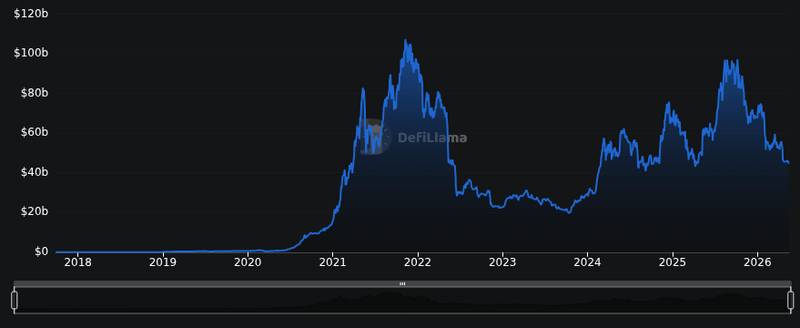
Ethereum currently hosts a large portion of DeFi activity, with total value locked across protocols running into tens of billions of dollars. Arc’s proposition is that stablecoin transactions should not have to compete for block space alongside speculative trading and smart contract execution on these general-purpose networks.
USDC would serve as the primary asset on Arc, meaning the chain’s architecture could be tuned specifically for dollar transfers rather than handling arbitrary token types.
Payments, Remittances, and Settlement
The core use cases for Arc center on payments and cross-border settlement. Businesses processing high volumes of dollar transactions could benefit from a chain where fees and confirmation times are designed around stablecoin transfers rather than general computation. As major financial institutions continue developing in-house crypto investment products, dedicated stablecoin infrastructure could serve as a bridge between traditional finance and blockchain rails.
This approach has parallels with how traditional payment rails like Visa or SWIFT are purpose-built for specific transaction types, rather than functioning as general computing platforms.
Interoperability and Enterprise Integration
For Arc to gain traction, it will need to connect with existing blockchain ecosystems where USDC already circulates. Circle’s existing cross-chain transfer protocol provides a foundation, though specific interoperability details for Arc’s mainnet have not been fully disclosed.
Enterprise adoption of crypto infrastructure increasingly depends on regulatory clarity. The evolving landscape around cryptocurrency and tax compliance in the U.S. illustrates the kind of regulatory framework that projects like Arc must navigate.
Why Arc Matters for Stablecoin Adoption
A Circle-operated blockchain could accelerate institutional adoption of stablecoin payments by offering a network explicitly designed for compliance and regulatory alignment. For enterprises hesitant to build on chains associated primarily with speculative trading, Arc presents a more focused alternative.
The stablecoin infrastructure space is increasingly competitive. Multiple projects are building payments-focused chains, and Ethereum’s Layer 2 ecosystem continues to expand. Arc’s differentiator is Circle’s direct relationship with USDC issuance and its regulatory standing as a licensed financial services company.
Key risks remain. A Circle-operated chain raises centralization concerns that conflict with crypto’s decentralization ethos. Regulatory pressure on stablecoins broadly could affect Arc’s trajectory, particularly as authorities worldwide scrutinize illicit uses of digital assets and tighten compliance requirements.
Developer adoption is uncertain until mainnet launches and real transaction volume materializes. With the public testnet live, Arc is worth watching as one of the first attempts by a major stablecoin issuer to control not just the asset, but the settlement layer beneath it.
Disclaimer: This article is for informational purposes only and does not constitute financial or investment advice. Cryptocurrency and digital asset markets carry significant risk. Always do your own research before making decisions.