


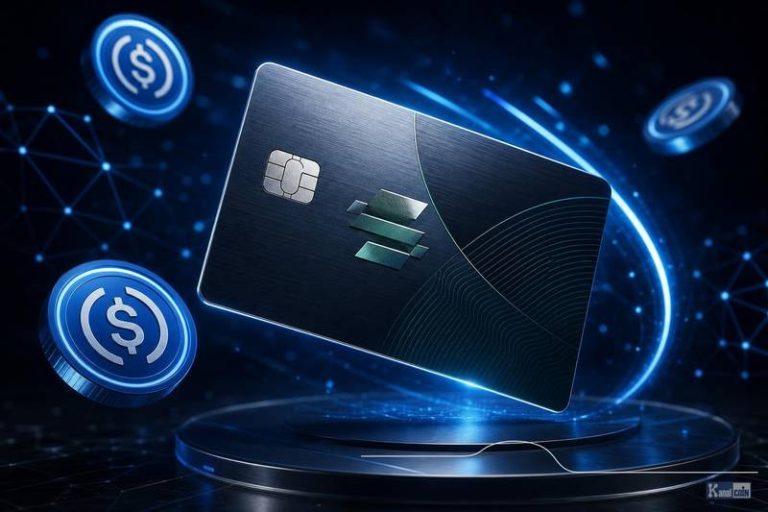
Solayer has launched a Visa-compatible physical card that lets users spend USDC at brick-and-mortar stores, online merchants and ATMs, expanding the Solana-based project’s push to make stablecoin payments work like traditional money.
What Solayer announced with its new Visa-compatible card
Solayer announced the Solayer Pay Physical Card on May 14, 2026, positioning it as a direct bridge between on-chain USDC holdings and everyday spending. The card supports in-store purchases, contactless payments, online transactions and ATM withdrawals in supported regions.
Existing Solayer Pay users can order the physical card for free. New users pay a $20 annual activation fee, a pricing split that rewards early adopters while keeping the barrier low for newcomers.
The card runs on the Visa network, giving holders access to the same merchant infrastructure used by traditional debit and credit cards. That distinction matters: unlike closed-loop crypto cards limited to specific platforms, Visa compatibility means acceptance wherever the network operates.
How Solayer Pay’s existing USDC stack gives the launch context
The physical card is not a standalone product. Solayer Pay already serves more than 40,000 users across over 100 countries, with integrations for Apple Pay, Google Pay and Visa’s global network. The card adds a physical form factor to an existing digital payments stack.
Solayer’s earlier Emerald Card rollout established the project’s payments ambitions, citing support for USDC deposits, ATM cash withdrawals and spending at more than 150 million merchants across 200 countries. The new physical card extends that same infrastructure into a format that works for in-person transactions without a phone.
The launch also sits on top of Visa’s own stablecoin infrastructure. In December 2025, Visa disclosed that its U.S. stablecoin settlement program had passed a $3.5 billion annualized run rate, with initial partners settling obligations in USDC over the Solana blockchain. That settlement layer gives Solayer’s card a production-grade payments rail rather than a prototype one.
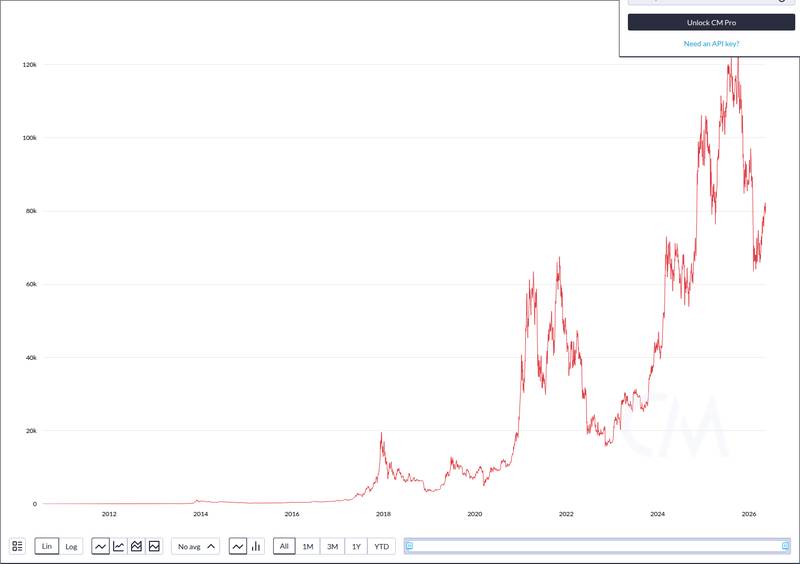
USDC itself remains tightly pegged, trading at $0.999828 with a market capitalization of roughly $77 billion and daily trading volume above $13 billion. The stablecoin sector as a whole has grown to approximately $293 billion in total market cap, providing a broad liquidity base for products like Solayer Pay.
Where Solayer fits in the stablecoin card race
Solayer is entering a crowded field. OKX, MetaMask and Bridge have all rolled out or announced stablecoin-linked card products in recent months, each competing to become the default way crypto holders spend at traditional merchants. The race mirrors a broader trend where USDC trading partnerships are expanding across the industry.
What separates Solayer’s approach is operational depth rather than branding. The project already has a live user base, wallet integrations with Apple Pay and Google Pay, and a merchant reach claim that spans 200 countries. Most competing cards launched as standalone products without an existing payments ecosystem beneath them.
Solayer also positions the card inside a broader on-chain rewards and sUSD savings flow, tying spending to DeFi yield in a way that pure payments cards do not. That integration could matter as stablecoin card products compete less on novelty and more on what users can do with their balances beyond just spending them.
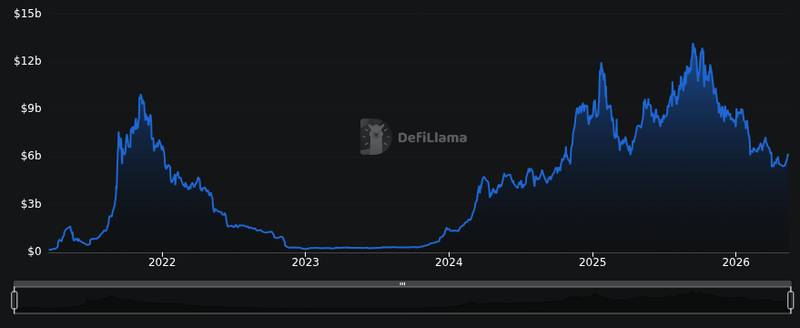
The stablecoin card wave is arriving at a moment when institutional infrastructure is catching up to consumer demand. Visa’s $3.5 billion settlement run rate signals that the payments giant is not treating crypto cards as an experiment. For Solayer, the question is whether its early mover advantage in Solana-native payments translates into sustained adoption as larger players scale their own offerings.
Readers tracking how large wallet movements shape market dynamics and how institutional crypto products continue to evolve will want to watch whether Solayer’s user base grows meaningfully beyond the current 40,000 threshold in the months following the card launch.
Disclaimer: This article is for informational purposes only and does not constitute financial or investment advice. Cryptocurrency and digital asset markets carry significant risk. Always do your own research before making decisions.