


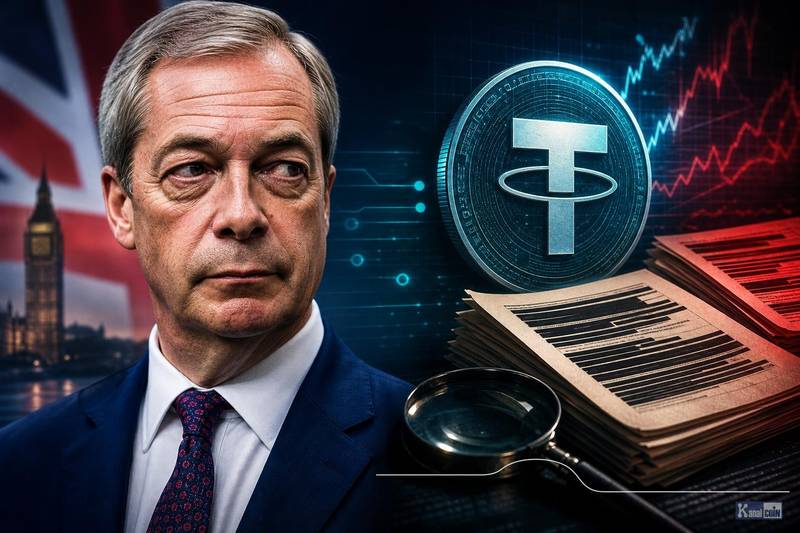
Nigel Farage, the Reform UK leader and MP for Clacton, is facing a formal standards probe after the Parliamentary Commissioner for Standards opened an inquiry on 13 May 2026 into his alleged failure to register a $6.7 million gift from cryptocurrency billionaire Christopher Harborne.
The inquiry, listed on the UK Parliament’s official investigations page, falls under Rule 5 of the MPs’ code of conduct, which covers failure to register an interest. Parliament’s listing notes that an inquiry does not itself mean the rules have been broken.
What triggered the standards probe
The Guardian reported that Farage received a £5 million gift from Harborne shortly before announcing he would stand in the 2024 general election. Farage confirmed the money was for his personal security, according to the same report.
Under the House of Commons Code of Conduct, new MPs must register any registrable benefits received in the 12 months before their election within one month of being elected. The probe centers on whether Farage met that obligation.
Sky News independently confirmed that the investigation is being pursued under Rule 5, and reported that the Electoral Commission is considering a separate complaint related to the gift. The distinction matters: the parliamentary probe examines personal disclosure obligations, while any Electoral Commission review would focus on political donation rules.
Why the Tether connection elevates this story
Harborne is a Thailand-based cryptocurrency investor whom leaked documents identified as holding a 12% stake in Tether, the company behind the USDT stablecoin. USDT currently trades at $0.9996 with a market cap exceeding $189 billion, making it the largest stablecoin by capitalization.
That connection transforms what might be a routine disclosure dispute into a case with implications for how crypto-linked wealth intersects with political funding. Harborne has been a major financial backer of Reform UK, and the scale of his reported personal gift to Farage, roughly £5 million, dwarfs typical political donations in the UK system.
The case arrives as crypto’s influence on politics draws increasing scrutiny globally. In the United States, digital asset firms have become significant campaign contributors, a trend similar to the questions now being raised about Bitcoin ETF capital flows and institutional positioning in traditional markets. The broader question of whether crypto wealth creates undisclosed political leverage is no longer hypothetical.
What comes next for Farage and political donation oversight
The Commissioner’s investigation will determine whether Farage breached the registration rules. If the Commissioner finds a violation, the case would typically be referred to the Committee on Standards, which can recommend sanctions ranging from an apology to suspension from the House.
The parallel Electoral Commission review could add a separate layer of scrutiny. That body has the power to investigate whether the gift should have been declared as a political donation, which carries its own set of legal requirements distinct from the parliamentary code.
The case may set a precedent for how UK regulators treat large personal gifts from individuals whose wealth derives from digital assets. As institutional capital shifts between crypto assets and as new financial products like perpetual futures on traditional assets blur the line between crypto and conventional finance, the regulatory framework for political disclosure has not kept pace.
For now, the probe remains at an early stage. No findings have been published, and Farage has not been found to have broken any rules. The Commissioner’s next steps, including any requests for evidence or formal hearings, have not yet been disclosed.
Disclaimer: This article is for informational purposes only and does not constitute financial or investment advice. Cryptocurrency and digital asset markets carry significant risk. Always do your own research before making decisions.