



A Reuters investigation has reported that Iran’s largest crypto exchange, Nobitex, was founded by sons of a powerful family tied to the country’s supreme leader, raising fresh questions about political influence over the Islamic Republic’s dominant digital asset platform.
What Reuters Reported About the Exchange’s Founders
The Reuters-syndicated report, updated on May 2, 2026, identified Ali and Mohammad Kharrazi as the individuals behind Nobitex. Reuters described them as sons of a family tied to Iran’s new supreme leader, Mojtaba Khamenei.
The brothers reportedly used the Aghamir family name when Nobitex launched. According to Reuters, a Nobitex marketing brochure listed both brothers alongside Amir Hosein Rad on the exchange’s original board.
Nobitex, which says it was founded in 2017 and calls itself the first exchange platform in Iran for trading major cryptocurrencies, claims 11 million users. Reuters estimated the platform handles roughly 70% of Iran’s crypto transactions, though that market share figure has not been independently verified by a separate dataset.
Why the Ownership Link Matters for Iran’s Crypto Market
The scale of Nobitex within Iran’s crypto ecosystem makes the reported ownership connection significant. A platform processing the majority of a nation’s crypto volume shapes liquidity, pricing, and user access across the market.
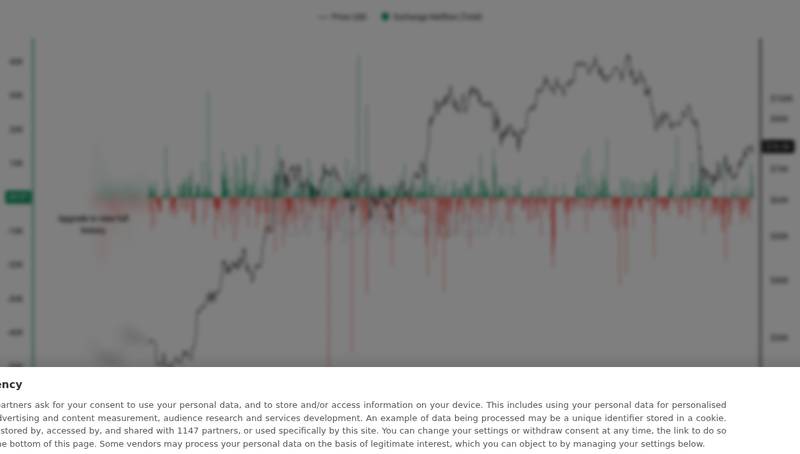
Blockchain analytics firm Elliptic reported in January 2026 that the Central Bank of Iran acquired at least $507 million in USDT, with the vast majority sent to Nobitex until June 2025. That independent on-chain finding places Nobitex at the center of state-linked stablecoin flows, not just retail trading.
When a dominant exchange is reportedly controlled by politically connected founders, questions about governance, transparency, and independence from state actors intensify. For Iranian users, the platform is a gateway to global crypto markets. For international observers, the reported ties to the supreme leader’s circle add a layer of geopolitical risk that extends beyond Iran’s borders.
The Reuters investigation comes at a time when U.S. sanctions enforcement against Iranian financial networks remains active. On May 1, 2026, OFAC designated three Iranian exchange houses and noted that prior actions had already targeted digital asset exchanges used to evade sanctions. Nobitex was not named in that specific release, but the enforcement backdrop is directly relevant.
U.S. Treasury Secretary Scott Bessent stated the administration would “relentlessly target the regime’s ability to generate, move, and repatriate funds.” While that comment addressed broader Iranian sanctions enforcement, it signals the political environment in which any exchange linked to Iran’s ruling elite now operates.
What This Report Could Mean Next
High-profile investigative reports on exchange ownership tend to trigger cascading scrutiny. Regulators, compliance teams at global exchanges, and blockchain analytics firms are likely to increase their focus on Nobitex-linked wallets and transaction flows in the weeks ahead.
The report also raises reputational risks for Nobitex itself. Platforms operating under ownership questions often face pressure from users seeking clarity, particularly when the allegations involve ties to sanctioned entities or state actors. The broader pattern mirrors past cases where exchange governance disputes led to regulatory settlements and forced disclosures.
For the crypto industry, the Reuters findings underscore an ongoing tension between decentralized technology and centralized platform control. As regulators worldwide push for clearer legal frameworks around crypto exchanges, the question of who ultimately controls major trading venues remains central to market integrity.
Reuters reported that the Kharrazi clan is related by marriage to all three supreme leaders of the Islamic Republic, though no separate genealogical record has independently confirmed that claim. Nobitex has not been publicly designated under U.S. sanctions, but the investigative spotlight may accelerate that conversation.
Bitcoin traded at $78,557 at press time, up 0.52% over the past 24 hours, with the broader crypto market operating in neutral sentiment territory as the Fear and Greed Index sat at 47. The story’s implications, however, extend well beyond daily price action into the structural question of how politically connected actors operate within crypto markets.
Disclaimer: This article is for informational purposes only and does not constitute financial or investment advice. Cryptocurrency and digital asset markets carry significant risk. Always do your own research before making decisions.