



Tether froze 344 million USDT across two addresses on the Tron network on April 23, 2026, in coordination with OFAC and U.S. law enforcement, marking one of the largest single-day stablecoin freezes on record.
What Happened in Tether’s 344 Million USDT Freeze
Tether announced it supported the U.S. Government in freezing the funds after receiving information from several U.S. authorities tied to unlawful conduct. The action targeted two specific Tron wallet addresses rather than a broad sweep of accounts.
On-chain records confirm the breakdown. The larger wallet, address TNiq9AXBp9EjUqhDhrwrfvAA8U3GUQZH81, held 212,922,653 USDT. The second wallet, address TTiDLWE6fZK8okMJv6ijg42yrH6W2pjSr9, held 131,288,800 USDT. Both transactions executed simultaneously at 12:02 UTC.
ON-CHAIN DATA
- Wallet 1: TNiq9AXBp9EjUqhDhrwrfvAA8U3GUQZH81 — 212,922,653 USDT frozen
- Wallet 2: TTiDLWE6fZK8okMJv6ijg42yrH6W2pjSr9 — 131,288,800 USDT frozen
- Network: Tron
- Timestamp: April 23, 2026, 12:02 UTC
When Tether freezes an address, the tokens become permanently immovable. The wallet owner can no longer send, swap, or redeem the USDT. The coins remain visible on-chain but are functionally locked until Tether releases them or they are seized through a legal process.
Tether CEO Paolo Ardoino framed the action as part of the company’s enforcement mandate.
“When credible links to sanctioned entities or criminal networks are identified, we act immediately and decisively.”
— Paolo Ardoino, CEO of Tether
Why the Freeze Matters for USDT Users and the Crypto Market
The freeze is large in absolute terms but small relative to USDT’s footprint. At press time, USDT carried a market cap of approximately $188.9 billion, meaning the frozen amount represents roughly 0.18% of total supply.
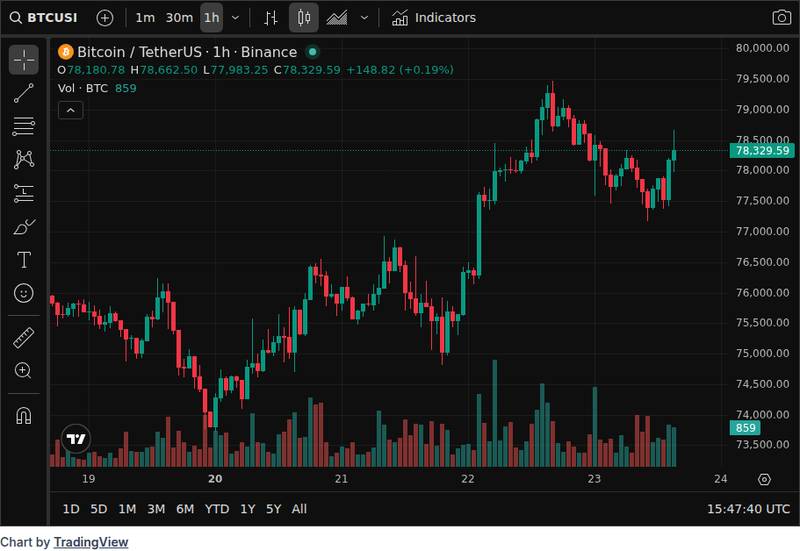
USDT held its $1.00 peg through the announcement, with 24-hour trading volume near $69.8 billion. The Crypto Fear and Greed Index sat at 46, in “Fear” territory, though coverage framed the event as a compliance action rather than a stability concern.
The action highlights the tension at the center of stablecoin design. USDT’s usefulness depends on wide acceptance and fast settlement, but its architecture gives Tether the power to freeze any address at any time. For traders and businesses that rely on USDT for cross-border settlement, each freeze is a reminder that issuer-level control is built into the token contract. This dynamic has drawn renewed attention as exchanges expand their U.S. compliance operations, making regulatory alignment a competitive requirement across the industry.
Tether said it now works with more than 340 law enforcement agencies across 65 countries. The company has frozen more than $4.4 billion in assets overall, with over $2.1 billion of that connected to U.S. authorities.
What to Watch Next After the Two-Address Freeze
The most immediate question is whether the freeze stays limited to these two addresses or expands. Tether did not disclose the identities of the wallet owners, and no court filing, case number, or OFAC designation notice was linked in the public announcement.
According to unconfirmed reports, the two frozen wallets were tied to sanctions evasion or criminal networks, but Tether described the rationale only at a high level and did not publish the underlying case file or legal documents.
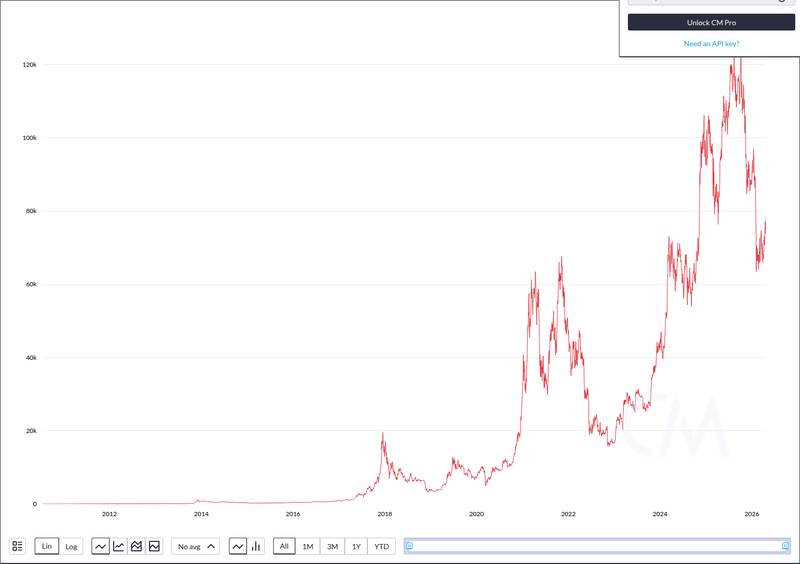
Market participants should watch for any OFAC SDN list update naming the frozen addresses. A formal designation would confirm the regulatory basis and could trigger secondary effects across exchanges and DeFi protocols that interact with those wallets. The freeze arrives during a period of broader market caution, with Bitcoin recently slipping from near $80,000 as rising oil prices pressured risk assets.
For USDT holders, the practical takeaway is that Tether’s freeze capability is actively used at scale. Traders monitoring exchange-level developments should note that compliance-driven freezes of this magnitude, while not directly tied to broader market moves, add another variable when assessing stablecoin counterparty risk.
Disclaimer: This article is for informational purposes only and does not constitute financial or investment advice. Cryptocurrency and digital asset markets carry significant risk. Always do your own research before making decisions.