



Bitcoin is trading near $70,898 with a large short liquidity cluster sitting above $74,000, while perpetual futures funding rates have turned negative, creating the structural conditions for a potential short squeeze if price pushes into that resistance zone.
BTC dropped 2.7% over the past 24 hours, bringing its market cap to approximately $1.42 trillion on trading volume of $30.1 billion. The decline coincides with broader risk-off sentiment across crypto derivatives markets.
The Fear & Greed Index sits at 16, deep in “Extreme Fear” territory. That reading reflects the same bearish positioning visible in funding rate data, where shorts are currently dominant.
Why the short liquidity cluster above $74K matters
A short liquidity cluster forms when a high concentration of short positions have stop-loss or liquidation levels grouped in a narrow price band. When price moves into that band, forced buybacks from liquidated shorts can accelerate the move higher, triggering additional liquidations in a cascade.
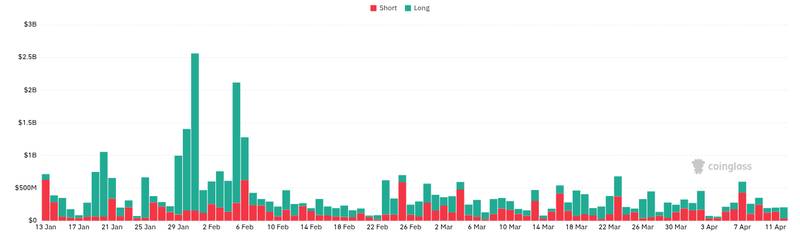
According to CoinGlass data reported by Cointelegraph, the largest short liquidation cluster on the weekly timeframe sits in the $74,000 to $75,000 range. That zone acts as a price magnet; market makers and algorithmic traders often push price toward dense liquidation levels to capture the resulting volume.
The gap between Bitcoin’s current spot price near $70,898 and that $74K cluster is roughly 4.4%. A move of that magnitude within a single trading session is not unusual for BTC, particularly during periods of elevated derivatives activity. Analysts tracking similar setups have previously noted how Bitcoin can surge rapidly when overhead liquidation levels are breached, as forced short covering compounds spot buying pressure.
How negative funding increases short squeeze risk
Funding rates in perpetual futures are periodic payments between longs and shorts that keep the contract price anchored to spot. When funding is negative, short traders pay longs, signaling that bearish bets outweigh bullish ones in the derivatives market.
Recent Binance BTCUSDT perpetual funding prints confirm the bearish lean. The most recent intervals recorded rates of -0.00006755, -0.00006083, and -0.00008108, all negative. Cointelegraph separately reported that Bitcoin perpetual futures annualized funding dropped to -7%, with shorts paying longs.
Negative funding can act as a contrarian signal. When the market is heavily positioned short and funding confirms that bias, any unexpected upward price movement forces shorts to cover at a loss. The combination of crowded short positioning and negative funding has historically preceded sharp reversals, though it is not a guarantee. In an environment where the Fear & Greed Index reads 16 and broader macro concerns weigh on risk appetite, bearish positioning can persist longer than expected before unwinding.
What needs to happen for BTC to squeeze through resistance
For the short squeeze scenario to play out, Bitcoin needs to climb from its current level near $70,898 into the $74,000 to $75,000 liquidation band. A sustained push above $74K would begin triggering the clustered short liquidations, potentially creating a self-reinforcing rally as forced buybacks drive price higher.
Confirmation signals would include a flip in funding rates from negative to positive, a spike in liquidation volume on exchanges, and spot price holding above $74K on a closing basis rather than just wicking into the zone. A rapid increase in open interest alongside rising price would suggest new longs are entering rather than just shorts being liquidated.
The invalidation case is straightforward. If Bitcoin fails to reclaim the $74K level and instead continues trading below $71,000, the short positioning remains intact and profitable. In that scenario, shorts would have no pressure to cover, and the liquidity cluster above would persist as unfilled resistance. Security concerns like those seen in recent high-profile BTC losses to fraudulent wallet apps can also dampen buyer confidence during periods of extreme fear.
The setup is conditional, not predictive. Negative funding and a dense short liquidation cluster create the preconditions for a squeeze, but execution depends on sufficient spot buying pressure to push BTC into the trigger zone. Until price enters that $74K band, the shorts remain in control.
Disclaimer: This article is for informational purposes only and does not constitute financial or investment advice. Cryptocurrency and digital asset markets carry significant risk. Always do your own research before making decisions.