



U.S. consumer prices jumped 3.3% year over year in March 2026 after the biggest monthly gasoline spike in six decades, driven by the Iran war’s disruption of oil flows through the Strait of Hormuz. The inflation revival is delaying Federal Reserve rate cuts, pressuring risk assets, and quietly channeling new attention toward stablecoin infrastructure on platforms like Hyperliquid.
TLDR KEY POINTS
- March 2026 CPI hit 3.3%, up from 2.4% in February, after an Iran-war gasoline shock pushed inflation further from the Fed’s 2% target.
- Brent crude surged from roughly $70 before the conflict to above $119 at its peak, settling at $96.58 on April 10.
- USDH, a Hyperliquid-native stablecoin, routes 50% of gross revenue to a fund that buys back HYPE, creating a direct stablecoin-to-token trade expression.
Why an Iran war oil spike quickly becomes an inflation trade
The conflict disrupted shipping through the Strait of Hormuz, which carries roughly one-fifth of the world’s oil. Brent crude moved from around $70 before the war to above $119 at its peak before trading at $96.58 on April 10, 2026.
That energy shock fed directly into consumer prices. The 3.3% year-over-year CPI reading for March, up from 2.4% in February, marked the largest single-month acceleration in headline inflation in years. The AP noted that the jump makes Fed rate cuts likely to be delayed for months.
Rate-cut repricing hits risk assets first
When energy-led inflation returns, markets reprice the rate-cut timeline before growth data even shifts. Higher-for-longer rates tighten financial conditions across equities, credit, and crypto simultaneously.
The Fear and Greed Index sat at 15, deep in “Extreme Fear” territory, reflecting how quickly the oil shock translated into broad risk-off positioning. That sentiment backdrop matters for how capital rotates inside crypto.
Cross-asset spillover from oil to digital assets
Oil shocks create a two-stage transmission: first, higher yields and tighter dollar liquidity compress speculative assets; second, persistent inflation reopens the question of which assets serve as hedges. Bitcoin sits awkwardly between both roles.
The tension is visible in how the broader stablecoin sector has expanded to a market capitalization of roughly $290 billion even as speculative tokens have sold off. That divergence, where dollar-linked assets grow while risk tokens shrink, is the inflation trade expressing itself inside crypto.
What the revived inflation trade means for Bitcoin, liquidity, and crypto positioning
Higher oil strengthens the higher-for-longer narrative that pressures liquidity-sensitive assets. Bitcoin, which has behaved as a risk asset during most macro shocks since 2022, faces the same headwind as tech equities when rate-cut odds collapse.
Yet the inflation-hedge narrative has never fully died. If CPI remains elevated through Q2, capital that rotates out of duration-sensitive positions may seek hard-cap or dollar-alternative exposures. The question is whether that rotation happens fast enough to offset the immediate liquidity drain, a dynamic similar to what played out when MSTR STRC proceeds targeted over 7,300 BTC in a single week.
Liquidity conditions tighten unevenly
Not all crypto sectors react the same way to macro tightening. Large-cap tokens with spot ETF flows have a demand buffer that mid-cap DeFi tokens lack. In an environment where the U.S. Treasury Secretary has fueled long-term crypto adoption predictions, the short-term liquidity squeeze creates a gap between narrative and positioning.
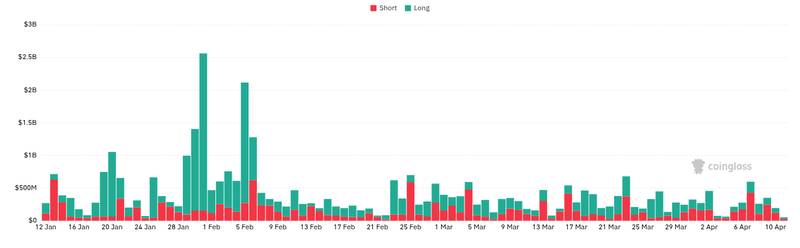
Leverage also matters. When oil-driven volatility spikes, liquidation cascades in derivatives markets can amplify spot moves well beyond what macro fundamentals justify.
Sector rotation favors settlement rails over speculative beta
During macro volatility, on-chain activity often shifts from speculative token trading toward stablecoin settlement and dollar-denominated yield. This is not a flight from crypto; it is a flight within crypto toward lower-volatility rails.
That pattern accelerates when traditional markets cannot keep up. Markets.xyz reported that oil, gold, and silver accounted for approximately 47% of platform volume on March 1, 2026, as traders priced Iran risk while traditional exchanges were closed.
“Traditional market infrastructure was built for a world where geopolitical risk politely waited until Monday morning.”
Justin Greenberg, Markets.xyz, via PR Newswire
The new stablecoin play in an oil-shock, high-inflation narrative
The “stablecoin play” in the headline is not about buying a dollar-pegged token and hoping it appreciates. It is about the infrastructure layer: settlement volume, fee revenue, and the protocols that monetize increased stablecoin demand during volatile macro periods.
USDH illustrates the mechanic. Native Markets describes it as a fully reserved stablecoin built natively for Hyperliquid, with reserves backed by cash, U.S. Treasuries, and related assets, with custody at U.S.-regulated banks including JPMorgan Chase and Lead Bank. Native Markets says it is issued by Bridge, a Stripe company, and structured in line with GENIUS Act requirements.
Defensive stablecoin flows versus speculative beta
The defensive case is straightforward: when volatility rises, traders park capital in stablecoins. That increases settlement volume and fee revenue for stablecoin issuers and the platforms they operate on.
The speculative case is more specific. Native Markets says 50% of USDH gross revenue is contributed to the Hyperliquid Assistance Fund, which is designed to buy back HYPE. That makes HYPE a leveraged expression of USDH adoption, not just a governance token. As dollar-seeking behavior increases during an inflation scare, USDH usage could grow, and HYPE captures a share of that growth through the buyback mechanism.
HYPE traded at $42.00 with a market cap of roughly $10 billion at the time of writing, while USDH’s market cap sat at approximately $21.3 million. The ratio highlights how early the flywheel is: USDH would need to scale dramatically before its revenue contribution moves the needle on a $10 billion token, a dynamic worth watching as stablecoin competition intensifies and dollar-alternative debates play out globally.
Who benefits if oil stays elevated
If Brent remains near or above current levels, the inflation trade stays active and rate cuts stay delayed. That environment favors stablecoin settlement infrastructure over speculative altcoin exposure.
Platforms that offer 24/7 commodity price discovery, like Markets.xyz on the Hyperliquid stack, gain relevance each time a geopolitical event hits outside traditional trading hours. The longer the Iran conflict persists, the more structural the demand for always-on settlement rails becomes, and the more stablecoin fee revenue accrues to protocols positioned to capture it.
Disclaimer: This article is for informational purposes only and does not constitute financial or investment advice. Cryptocurrency and digital asset markets carry significant risk. Always do your own research before making decisions.