



Argentine President Javier Milei has explicitly stated that he will not pursue formal dollarization because “people don’t want it,” marking a clear departure from the policy that defined his 2023 presidential campaign and signaling that currency competition, not a forced dollar switch, is now his administration’s monetary framework.
In an exclusive interview aired on TV Pública’s program Economistas on April 9, 2026, Milei addressed why his government has not moved forward with dollarization. The interview, confirmed by TV Pública’s official listing, covered monetary policy and the president’s rationale for maintaining the peso.
El Cronista reported Milei’s direct words: “El principal problema por el cual no podés dolarizar es que la gente no quiere dolarizar,” which translates to “the main problem why you can’t dollarize is that people don’t want to dollarize.” He added that Argentines can already transact in dollars if they choose to do so.
Infobae independently confirmed the same remarks, reporting that Milei said he would not impose dollarization by force.
A Shift That Started Before This Week
While the headline framing suggests a fresh reversal, the evidence shows Milei had already begun reframing his position. In a May 2024 interview with TIME, he stated “we have always talked about currency competition” when pressed on dollarization, positioning voluntary dollar use as the goal rather than a mandatory replacement of the peso.
The April 2026 remarks represent the most explicit public admission that formal dollarization is off the table, but the underlying policy pivot toward competition between currencies has been building for nearly two years.
This distinction matters for how markets interpret the news. A sudden policy reversal would signal instability; a gradual reframing toward currency competition suggests a more deliberate strategic choice, even if it contradicts campaign rhetoric.
Why Public Support Constrains Radical Monetary Reform
Dollarization is not a simple executive decree. It requires eliminating the central bank’s monetary authority, converting all peso-denominated contracts, and restructuring the banking system. Without broad public demand, such a transformation would face institutional resistance at every level.
Milei’s framing, that the people themselves don’t want it, shifts responsibility from his administration’s capacity to execute the policy onto voter preferences. This is politically useful: it preserves his free-market credentials while acknowledging practical constraints.
The tension between ideological ambition and governance reality is not unique to Argentina. Similar dynamics have played out in countries like Bhutan’s approach to Bitcoin mining, where national crypto strategies ultimately confronted practical economic limits.
What This Means for Bitcoin and Crypto in Argentina
Argentina’s persistent inflation and capital controls have made it one of the world’s most active markets for cryptocurrency adoption. If formal dollarization is no longer on the horizon, the peso remains the default unit of account, and the conditions that drive Argentines toward alternative stores of value persist.
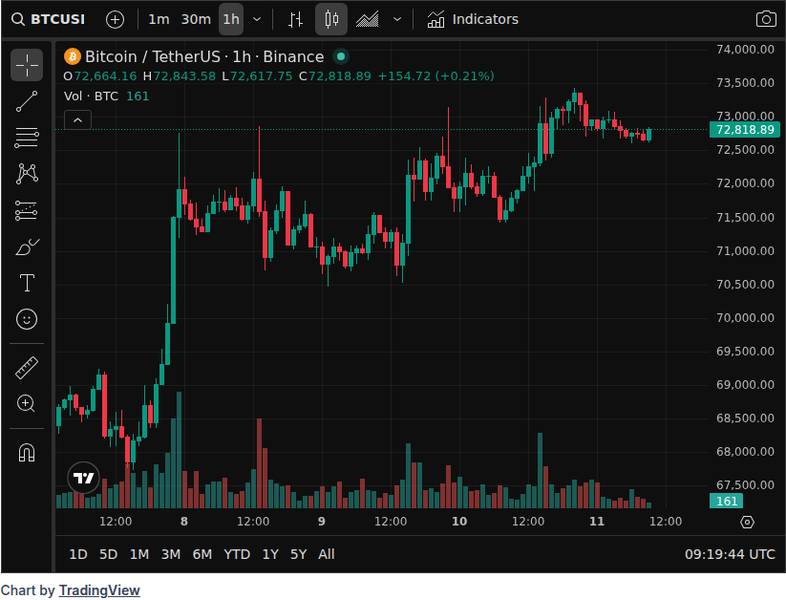
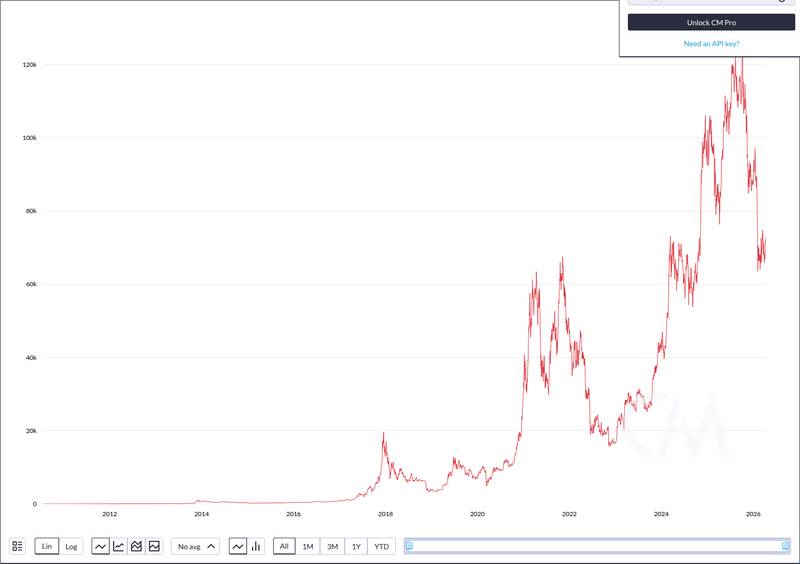
Bitcoin traded at $72,657 at press time, up 1.35% over 24 hours, with a market cap of $1.45 trillion.
The broader crypto market sentiment remains cautious. The Fear & Greed Index sat at 15, classified as Extreme Fear, reflecting risk-off positioning across digital assets.
For crypto-focused investors watching Latin America, Milei’s currency competition framework creates an interesting parallel. Rather than replacing the peso with the dollar, Argentina now operates in a multi-currency environment where citizens choose between pesos, dollars, and increasingly, digital assets. This mirrors the broader Web3 wallet expansion that is making crypto access more seamless globally.
The policy direction also raises questions about whether Argentina might eventually formalize cryptocurrency’s role within its currency competition framework, similar to how Bitcoin-focused companies in the U.S. are navigating between traditional finance structures and crypto-native strategies.
Milei’s next scheduled economic policy address has not been announced. For now, the peso stays, the dollar remains an option, and Bitcoin continues to serve as an inflation hedge for Argentines unwilling to trust either fiat alternative fully.
Disclaimer: This article is for informational purposes only and does not constitute financial or investment advice. Cryptocurrency and digital asset markets carry significant risk. Always do your own research before making decisions.