



Bhutan’s visible sovereign Bitcoin holdings have dropped roughly 72% in 18 months, falling from over 13,000 BTC in September 2024 to just 3,654 BTC in April 2026, raising sharp questions about the Himalayan kingdom’s state-backed crypto strategy and whether its mining operations have ground to a halt.
Bhutan’s sovereign Bitcoin stash has shrunk sharply since 2024
Arkham Intelligence reported in September 2024 that the Royal Government of Bhutan held over 13,000 BTC, built through a state-run mining program that began in 2019. Bhutan was one of the few governments in the world with a sovereign Bitcoin treasury accumulated entirely through mining rather than seizures or market purchases.
By April 10, 2026, that position had collapsed. Arkham-linked wallet data reported by Cointelegraph showed Bhutan’s holdings had fallen to 3,654 BTC, worth approximately $266.27 million, after another 319 BTC transfer. Using those two reference points, the visible drawdown stands at roughly 72% over 18.8 months.
The decline is based on Arkham-labeled wallet tracking and media reporting, not an official Bhutan government transaction log. No public disclosure from Bhutan has detailed individual transfers or confirmed each movement as a completed sale.
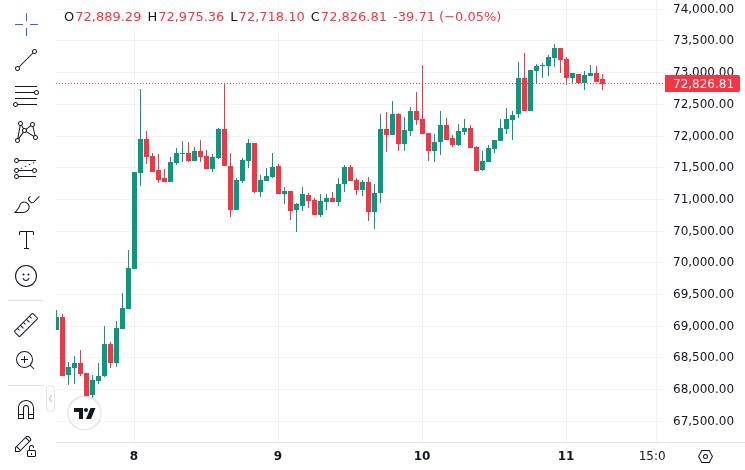
Bitcoin traded at $72,741 at press time, with the broader crypto market sitting in Extreme Fear at a Fear & Greed score of 15. The sell-down has coincided with a volatile stretch for BTC that has also seen large institutional holders like Strategy and BlackRock diverge in their accumulation strategies.
Why the sell-down matters for Bhutan’s state Bitcoin strategy
The scale of the drawdown sits uneasily with Bhutan’s own stated posture. An IMF country report published in January 2026 said Bhutanese authorities viewed BTC holdings as a strategic reserve. As of November 24, 2025, the IMF valued those holdings at approximately $550 million, already down 43% from mid-September levels.
Crucially, the IMF noted that only a small proportion had been sold at that point, with proceeds used to finance operating costs. That framing suggested measured, limited liquidation, not a drawdown that would cut the sovereign stash by nearly three-quarters within months.
Yet the on-chain picture since late 2025 tells a different story. The gap between the IMF’s $550 million snapshot and the current $266.27 million valuation implies either significant additional sales through early 2026 or a steep price-driven loss compounded by continued outflows. The pace has accelerated well beyond what “small proportion” language would suggest, a pattern that echoes the kind of large BTC movements tracked across institutional holders in recent weeks.
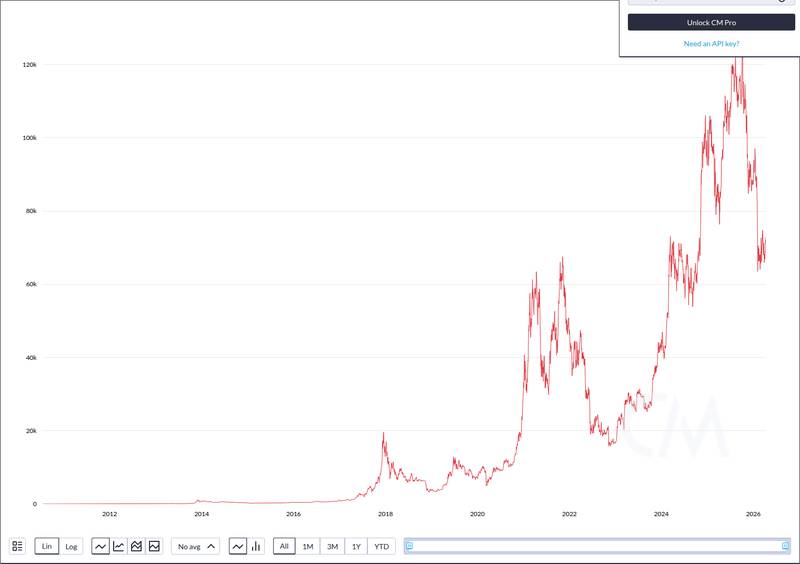
Most competitor coverage has focused narrowly on Arkham wallet movements without incorporating the IMF’s late-2025 strategic-reserve disclosure. That context matters because it shows Bhutan’s government was still publicly committed to holding BTC as recently as four months ago.
Has Bhutan stopped mining Bitcoin too?
Bhutan’s mining infrastructure is not trivial. In May 2023, Druk Holding & Investments and Bitdeer announced a strategic partnership to develop environmentally sustainable, carbon-free digital asset mining operations in Bhutan, with a targeted fund size of up to $500 million. The program leveraged Bhutan’s abundant hydroelectric power.
Reports have circulated that Bhutan may have stopped BTC mining entirely. However, according to unconfirmed reports and on-chain inference, no official statement from Bhutan, DHI, or Bitdeer has confirmed a 2026 mining halt. The claim remains unverified.
If mining has indeed stopped, it would mark a significant reversal for a country that built one of the most unusual sovereign crypto positions in the world. The evolving landscape of institutional crypto infrastructure has seen rapid shifts in 2026, but a full shutdown of a state-backed mining program would stand out.
Until Bhutan, DHI, or Bitdeer issues a formal statement, the distinction between on-chain inference and official confirmation remains critical. What the wallets show is a sovereign Bitcoin treasury in rapid decline. What caused it, and whether mining continues to replenish it, remains an open question.
Disclaimer: This article is for informational purposes only and does not constitute financial or investment advice. Cryptocurrency and digital asset markets carry significant risk. Always do your own research before making decisions.