



Bitcoin holders are showing signs of stronger conviction even as BTC’s price slipped below the $68,000 level, with on-chain data pointing to a growing cohort of long-term holders who are refusing to sell into the downturn.
BTC Drops Below $68K as Sellers Take Short-Term Control
Bitcoin lost the $68,000 support level in recent trading sessions, a price zone that had acted as a floor during the broader consolidation phase. The breakdown put short-term holders under pressure while longer-duration holders remained largely unmoved.
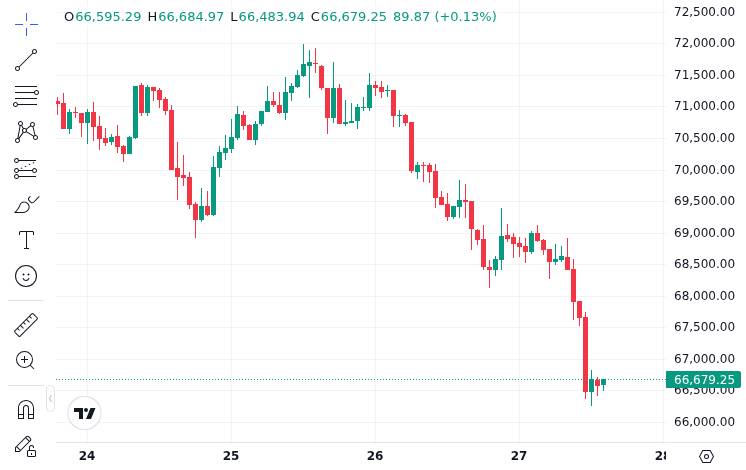
The move below $68K comes amid a period of weakening institutional demand for Bitcoin ETFs, adding selling pressure to an already cautious market. Trading volumes around the breakdown level reflected broad participation in the sell-off rather than thin-liquidity slippage.
Despite the price action, on-chain data has been cited as ruling out an immediate cycle peak, suggesting that the current move may be a consolidation rather than the start of a prolonged downtrend.
18-to-24-Month Holders Signal Stronger Conviction
The core of the conviction narrative centers on a specific holder cohort. Growing numbers of 18-to-24-month Bitcoin holders may signal what analysts describe as “stronger” conviction, particularly as the rally consolidates following the spot ETF approval cycle.
This age band of holders is significant because it represents investors who accumulated BTC during the pre-ETF and early post-ETF period and have chosen to hold through subsequent volatility. Their refusal to distribute coins at current prices suggests confidence in higher future valuations.
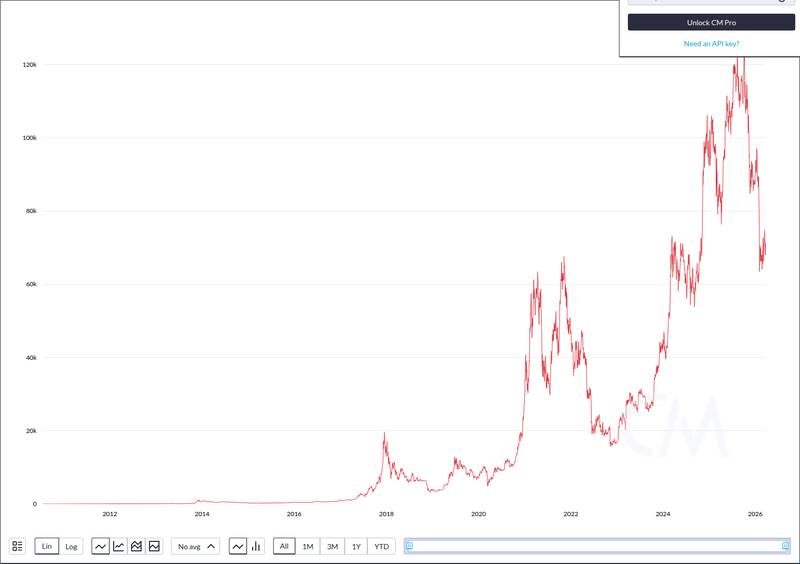
CryptoQuant’s on-chain summary data provides additional context for exchange reserve trends, which typically decline when holders move coins into cold storage, a pattern historically associated with accumulation rather than distribution.
The divergence between falling price and rising holder duration is a pattern that crypto infrastructure projects and long-term investors often watch as a gauge of market maturity. When prices fall but coins continue aging on-chain, it points to a holder base that is not being shaken out.
Consolidation, Not Capitulation
A broader structural analysis from Investing.com framed Bitcoin as entering 2026 “bruised but structurally strong,” noting that the market reset has not undermined the fundamental on-chain profile of the asset.
The distinction between consolidation and capitulation matters for how traders interpret the current phase. Capitulation typically involves long-term holders selling at a loss en masse, while consolidation sees those same holders tightening their grip, which is what the 18-to-24-month cohort data currently suggests.
With institutional attention turning to tokenization and broader digital asset infrastructure, the $68K level may serve as a test of whether this holder conviction translates into price support or merely delays a deeper correction. The on-chain evidence, for now, leans toward the former.
Disclaimer: This article is for informational purposes only and does not constitute financial or investment advice. Cryptocurrency and digital asset markets carry significant risk. Always do your own research before making decisions.