


The VND route with the lowest visible fee is not always the best route. Compare bank, P2P, and stablecoin conversion by spread, counterparty, KYC, settlement, and recovery. A workable VND route must complete both the deposit and the cash-out. The comparison below follows bank, P2P, partner, and stablecoin paths through name matching, fees, settlement, and recovery.
Choose a VND route that supports both deposit and withdrawal
A VND user should identify the complete route before choosing a provider. Bank transfer, P2P, partner checkout, and stablecoin cash-out each move risk to a different party. The first screen matters less than whether the account can receive VND, convert it, and return money to a named beneficiary.
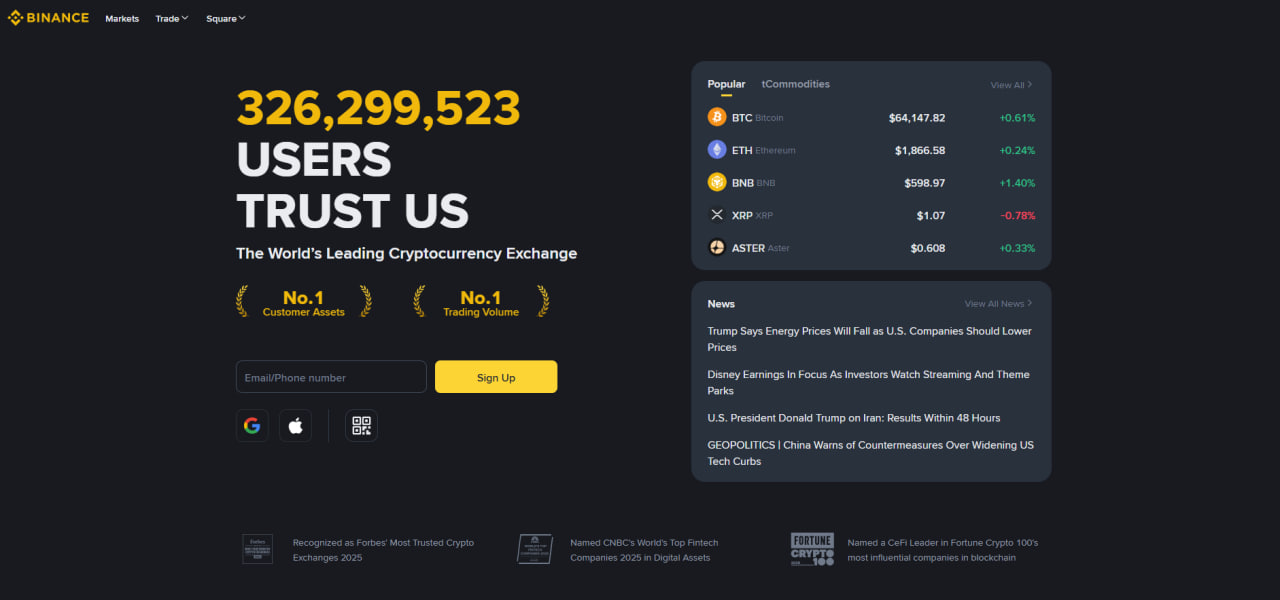
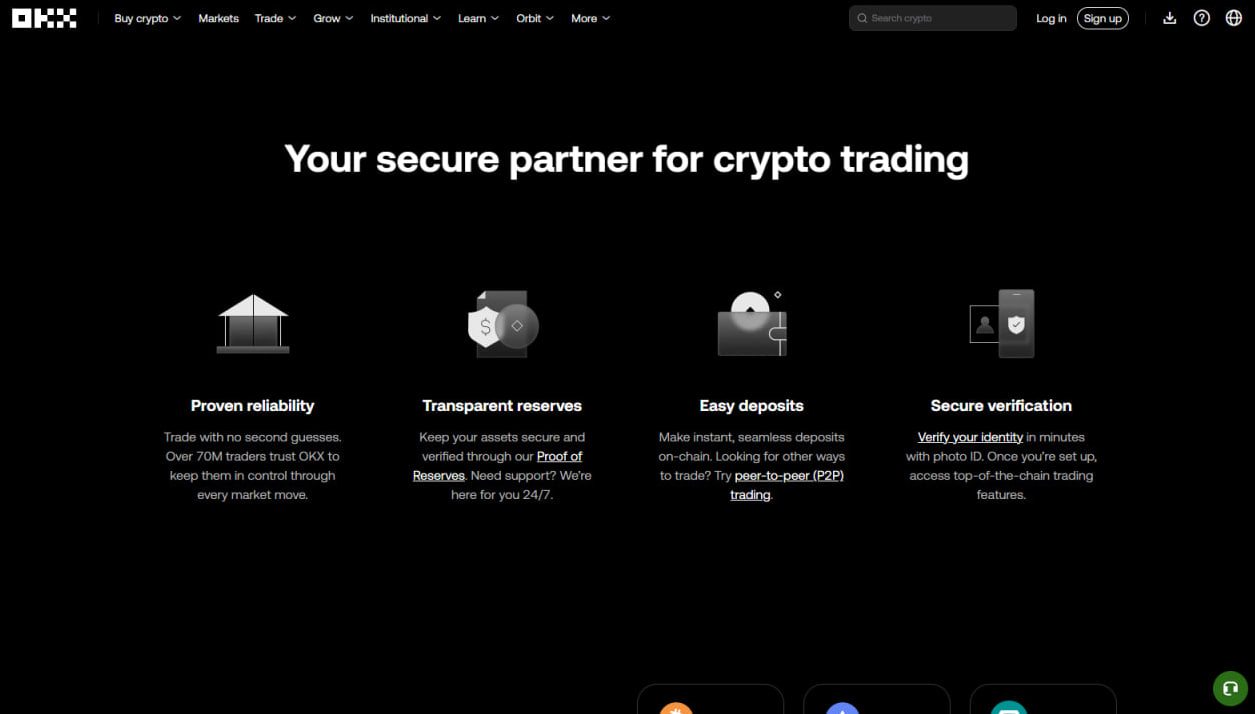
Treat the provider page as evidence of the product surface only. Confirm the current payment method, account eligibility, limits, and withdrawal conditions before describing a route as available.
Compare bank, P2P, partner, and stablecoin routes
| Route | Useful when | Evidence and record before sending | Failure point or stop condition |
|---|---|---|---|
| Bank transfer | Named account and supported bank | Provider rail, account name, bank, limit, and settlement window | Name mismatch, unsupported bank, or delay |
| P2P | Local liquidity is available | Escrow, quoted price, payment method, counterparty history, and dispute terms | Off-platform settlement, unsupported payment, or unclear appeal route |
| Stablecoin cash-out | Both sides can cash out | Asset, network, confirmation rule, conversion pair, and payout rail | Wrong network or the receiving side cannot confirm the payout |
| Small withdrawal | Before meaningful funds move | Completed test, receipt, timing, and transaction record | Limits, review hold, or missing final receipt |
A VND route should be written as a complete money path. For a bank route, record the named account, funding limit, supported bank, settlement window, and whether the bank account name must match the exchange account. For P2P, record the quoted price, payment method, escrow status, counterparty history, dispute deadline, and the instruction that keeps the transaction on-platform. For stablecoins, add the network, deposit confirmation rule, conversion pair, and the actual VND payout method.
The same notional should be used across routes. If the reader starts with a fixed VND amount, calculate how much crypto is received after spread and fees. If the reader starts with a fixed crypto amount, calculate how much VND arrives after conversion and withdrawal. Do not compare a bank quote with a P2P quote taken at another time; label the timestamp and market condition.
Why a cheap VND route can create a larger loss
P2P can look cheaper because the quoted price includes a different liquidity and risk premium. That does not make every P2P route unsafe, but it does mean the user must treat the escrow and dispute process as part of the product. A seller who asks for a third-party bank account, an off-platform chat, or a payment marked as completed before crypto is released has changed the risk profile.
Bank and card routes have different failure modes. A bank transfer can be delayed by name mismatch or manual review; a card transaction can be reversed or rejected after the asset purchase. A stablecoin route adds wrong-network and address risk. The practical comparison is therefore not “bank versus P2P,” but which party owns each failure and what evidence the user can produce when support is needed.
Run a small deposit, conversion, and withdrawal test
Run the first test in four small movements: fund the account, buy or convert a small amount, withdraw to a wallet or approved cash-out route, and reconcile the bank or wallet receipt. Capture the fee preview, the network selected, the transaction hash if one exists, and the support ticket number if the route is delayed. Do not scale because the deposit succeeded; wait until the withdrawal and recovery steps are also clear.
The test should also check a non-financial detail: whether the instructions are understandable in the user’s language and whether the account can explain why the transfer was made. A route that works technically but leaves the user unable to answer a source-of-funds question is not ready for a meaningful balance; compare the record with the exchange due-diligence checklist before scaling it.
Recheck limits, payment methods, and withdrawal terms
Before publishing or acting, refresh the provider’s Vietnam availability, supported payment method, minimum and maximum limits, network list, withdrawal warnings, and account terms. Record the exact date for each item. A provider can keep the same homepage while changing one bank partner or restricting one asset, so a single screenshot cannot carry the whole conclusion.
For the reader, the refresh queue ends with a written fallback: another route, a smaller test, or no transaction. That is especially important when legal status, bank treatment, tax reporting, or P2P eligibility is uncertain. State the unresolved point plainly instead of converting it into a confident “best VND onramp” claim.
Example: testing a first VND cash-out
A reader starting with a small VND amount should choose one route, one asset, and one receiving account. The test record should show the bank or P2P quote, the amount of crypto received, the network selected, the withdrawal request, and the final VND receipt. If the reader cannot identify the account name, fee, or support owner before sending, the route is not ready for a larger amount.
The same test should be repeated after a delay or policy change, not copied from an old screenshot. That gives the article a useful boundary: it explains how the route was evaluated without claiming that every VND user will see the same bank, price, or limit.
What Vietnam exchange comparisons still need to verify
Vietnam exchange guides commonly put the user’s real decision ahead of a generic platform list: VND funding and withdrawal, P2P liquidity, KYC tiers, limits, local payment methods, bank-side friction, and dispute handling. A 2026 Vietnam comparison guide follows that pattern and separates VND rails, fees, liquidity, accessibility, limits, and P2P merchant reliability. That is the right SERP expectation for this keyword, but its platform descriptions are still a starting point; a reader needs a dated check of the exact route before sending money.
The missing practical step is to compare the same VND notional across the available route types. Record the quoted rate, fee, payment method, account-name rule, order limit, settlement time, and recovery path. If a route uses P2P, keep the order inside the platform’s escrow and dispute flow. If it uses a partner, identify who owns a reversal or failed payout. If it uses stablecoin cash-out, confirm asset, network, confirmation rule, and the receiving side’s cash-out method before treating the route as usable.
For a quick first screen, the practical differences are straightforward: Binance is usually the first liquidity check for USDT/VND P2P, Bybit is a reasonable alternative when its merchant depth is sufficient, OKX is worth checking when the lower base maker fee matters, and Remitano is more focused on a simple local VND route than a broad trading product. These are starting points, not universal winners; the live quote, merchant history, and completed withdrawal still decide the result.
| Platform | VND route to check | Fee reference from the comparison | Best starting use | Verify before scaling |
|---|---|---|---|---|
| Binance | USDT/VND P2P | 0.1% base spot maker/taker | Deep P2P liquidity | Merchant completion, bank-name rules, and dispute flow |
| Bybit | USDT/VND P2P | 0.1% base spot maker/taker | Alternative P2P and active trading | VND merchant depth and withdrawal timing |
| OKX | USDT/VND P2P | 0.08% maker / 0.1% taker base | Fee-sensitive spot trading | Current VND quotes, payment methods, and KYC limits |
| Remitano | Direct VND and local P2P route | Spread-based pricing | Simpler local cash-in and cash-out | Effective spread, supported banks, and final receipt |
The numbers above come from a March 2026 public comparison and can change with account tier, promotion, liquidity, and market conditions. Use the table to decide what to test first, then repeat the same small deposit-to-withdrawal cycle on the chosen route instead of selecting a platform from the fee column alone.
| VND route | What the comparison page may promise | What to verify in the same session | Stop condition |
|---|---|---|---|
| Bank or virtual account | Familiar local funding and predictable settlement | Named beneficiary, bank, limits, settlement window, and withdrawal support | The account name or bank route is not supported |
| P2P marketplace | Competitive USDT/VND quotes and local liquidity | Merchant completion history, order limits, escrow, payment rail, and appeal rule | The counterparty requests off-platform payment or chat |
| E-wallet or partner checkout | Faster checkout and more payment flexibility | Provider identity, FX markup, KYC trigger, reversal owner, and refund timing | The final VND amount is hidden until after confirmation |
| Stablecoin cash-out | Cross-border flexibility and a portable asset | Exact network, conversion pair, payout rail, and recipient-name rule | The receiving side cannot confirm the network or payout |
Vietnam’s licensed-exchange transition changes the comparison
Vietnam now has a defined legal route for crypto-asset trading. Law No. 71/2025/QH15 took effect on January 1, 2026, while Resolution No. 05/2025/NQ-CP established a five-year pilot from September 9, 2025.
That pilot does not make every platform serving Vietnamese users a licensed local exchange. A qualifying provider needs a Vietnamese legal entity, at least VND 10 trillion in paid-in charter capital, required custody, risk, complaint, surveillance, and AML controls, plus a Ministry of Finance license; an offshore app or active USDT/VND P2P market is not proof of authorization.
The transition clock is tied to the first license, not an invented calendar date. The Government’s explanation says domestic users trading outside a licensed provider may face penalties six months after that license is issued, so any comparison should record the official license announcement before stating a deadline.
Under the pilot, crypto-asset activity must use Vietnamese dong, while tax and accounting details remain subject to implementation guidance. Compare VND access beside fees and liquidity by checking the legal entity, license number and date, custody, settlement bank, KYC, complaint route, and transaction records; a named bank, MoMo, ZaloPay, or P2P route is not proof of completed cash-out.
Final rule: judge VND access by the cash-out result
Close by forcing the reader to verify funding method, name matching, conversion cost, withdrawal timing, and recovery before sending money.
Frequently asked questions
What should I test first on a VND crypto route?
Start with a small bank or payment transfer, then complete a small conversion and withdrawal. The withdrawal and the receipt are as important as the deposit confirmation.
Is P2P always cheaper than a bank route?
No. Compare the quoted rate, payment fee, dispute risk, settlement time, and cash-out cost at the same timestamp. A lower visible price can carry a higher failure cost.
What evidence should I keep for a VND transaction?
Save the quote, order or trade record, fee preview, payment receipt, withdrawal record, network hash where applicable, and support correspondence.
Disclaimer: This article is for informational and editorial purposes only and does not constitute legal, tax, or financial advice. Terms, fees, supported countries, and onboarding requirements can change and should be confirmed with each provider before integration.