Polymarket has acquired DeFi infrastructure startup Brahma in its third major acquisition since February 2026, as the $20 billion prediction market platform shifts from user growth to infrastructure hardening across its crypto and DeFi stack.
The acquisition, announced on March 18, 2026, did not include disclosed financial terms. Brahma has processed over $1 billion in transaction volume since its founding in 2021, building programmable systems across blockchain execution, trading infrastructure, and payments.
Brahma was founded by Alessandro Tenconi, Akanshu Jain, and Bapi Reddy Karri. The team will wind down all existing user-facing products, including Strategy Vaults, Brahma Accounts, and Swype.fun, within 30 days to focus entirely on enhancing Polymarket's execution layer.
Deal Snapshot: What Polymarket Announced
Polymarket CEO Shayne Coplan framed the deal as an infrastructure play. "Building reliable infrastructure across blockchain networks and traditional financial rails is hard, there are no shortcuts," Coplan said. "The Brahma team has shown they can design, operate, and scale complex products for sophisticated users."
The acquisition follows Polymarket's purchases of developer tools startup Dome and executive search firm Lunch in February 2026, making Brahma the third deal in roughly three months. The pace signals a deliberate consolidation strategy rather than opportunistic buying.
Brahma confirmed the deal on X, stating that its team and technology would "live on, to help scale Polymarket and its ecosystem."
— Brahma (@BrahmaFi) March 18, 2026
Source: @BrahmaFi on X
Why Brahma Matters for Polymarket's Crypto and DeFi Infrastructure
Brahma's core expertise lies in wallet abstraction and liquidity management, two capabilities directly relevant to prediction markets where thinly traded contracts require efficient execution. For a platform valued at $20 billion, reliability at scale is no longer optional.
Acquiring a team that has already processed $1 billion in on-chain transaction volume compresses the timeline for building out backend systems. Rather than recruiting individual engineers and starting from scratch, Polymarket gains a battle-tested unit with production experience across multiple blockchain networks.
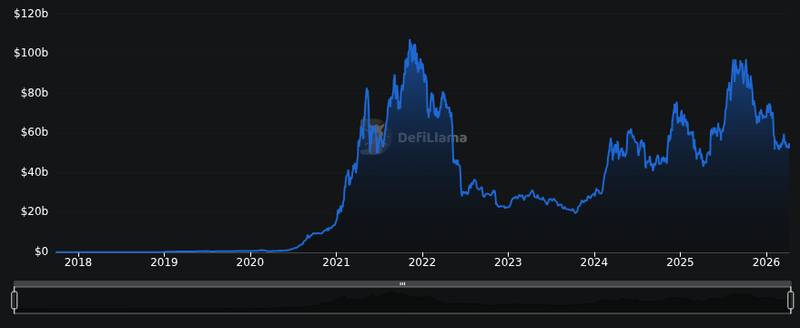
The infrastructure focus also positions Polymarket against regulated rival Kalshi, which operates primarily on fiat rails. By doubling down on crypto-native infrastructure, Polymarket is making a strategic bet that blockchain-based settlement and execution will be a lasting competitive advantage, even as institutional players increasingly enter digital asset markets.
The 30-day product sunset timeline for Brahma's existing offerings confirms this is a full acqui-hire, not a portfolio bolt-on. Brahma's users lose access to Strategy Vaults and Brahma Accounts, but the underlying technology migrates directly into Polymarket's stack.
What Comes Next: Execution Risks and Market Watchpoints
Three acquisitions in three months creates integration risk. Each deal brings a different team culture, tech stack, and operational cadence. The near-term signal to watch is whether Polymarket ships visible infrastructure improvements, such as faster settlement, lower slippage on thin markets, or expanded chain support, within the next quarter.
The broader crypto market context adds pressure. The Fear and Greed Index sat at 17 at the time of the announcement, deep in "Extreme Fear" territory. Aggressive M&A during a risk-off environment can signal either conviction or overextension, and the market will judge based on execution.
Polymarket also faces mounting regulatory scrutiny, including recent arrests of traders connected to insider betting on the platform. The decision to invest in crypto-native infrastructure rather than pivoting toward regulated fiat rails suggests the company is betting that its current architecture, now reinforced by Brahma's team, can withstand compliance pressures while maintaining the speed advantages that crypto-native platforms offer.
For Brahma's existing users, the immediate priority is migrating assets before the 30-day shutdown window closes. For the prediction market sector, the key question is whether Polymarket's infrastructure spending translates into measurably better product performance, or whether the rapid acquisition pace becomes a distraction from the core platform.
Disclaimer: This article is for informational purposes only and does not constitute financial or investment advice. Cryptocurrency and digital asset markets carry significant risk. Always do your own research before making decisions.