


What the record actually confirms
The only primary document in the current research set is a U.S. Department of Justice release from the District of Arizona describing a former Secret Service agent who pleaded guilty to theft of cryptocurrency from an evidence vault. For related coverage, see American Bitcoin Mined 932 BTC in Q2 2026, Record High.
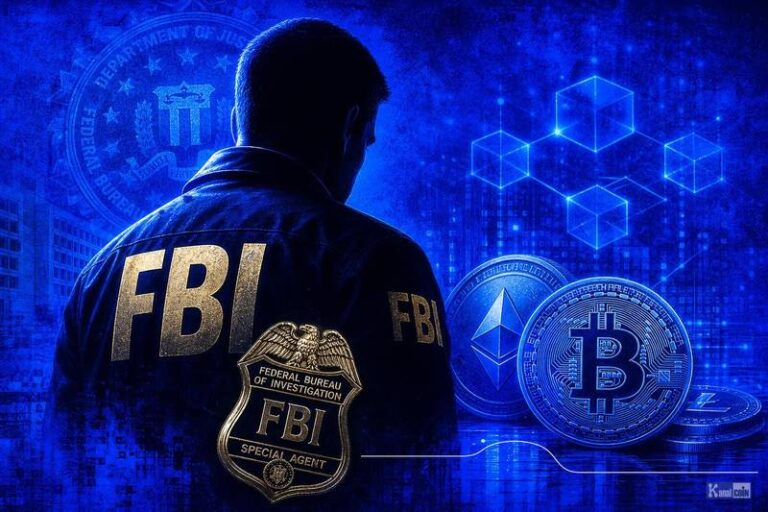
That framing differs from the “FBI agent” wording of the headline. The verified source language points to a former Secret Service agent and a guilty plea, not an FBI employee or an unresolved accusation. For related coverage, see Kalshi Expands 15-Minute Markets to Gold and Silver.
The story is flagged as only partially verified, and the underlying research carries low confidence. On that basis, no names, dollar amounts, dates, or procedural details are asserted here, because they are not established in the confirmed material.
Local reporting from Arizona has similarly described a former, Phoenix-area Secret Service agent pleading guilty to stealing cryptocurrency connected to a state evidence vault.
Why a crypto evidence vault sits at the center
A cryptocurrency evidence vault is the digital equivalent of a physical property room: it is where agencies hold seized coins and the private keys that control them while a case moves through the courts.
The DOJ-linked source places the alleged theft squarely inside that custody chain, describing crypto taken directly from an evidence vault rather than through an external hack or fraud scheme.
No wallet addresses, transaction hashes, or on-chain audit trail appear in the available material. Without a block-explorer entry, there is no independent way here to trace how the assets moved or whether any were recovered, so no such claims are made.
That absence separates this case from incidents where blockchain data tells the story, such as the Coldcard exploit tied to a $116 million hack, where on-chain flows were central.
The real stakes: custody and trust, not price
The significance is an accountability question. When an insider is accused of taking assets from a seized-evidence store, the integrity of the custody process itself, not any single case outcome, is what is called into doubt.
That risk echoes other prosecutions in the seized- and stolen-crypto space, including a Miami guilty plea in a cryptocurrency fraud conspiracy and charges against a Florida man accused of hiding crypto-stealing malware, where controls and chain-of-custody questions recur.
There is no confirmed market impact in the current research set. It contains no validated price data, expert commentary, or regulatory follow-up tied to this case, so any claim of a market reaction would be unsupported.
The next verifiable developments will come from the court record, such as sentencing filings, or from formal agency disclosures, rather than from price movement. Anything beyond that is not yet supported by the available evidence.
Disclaimer: This article is for informational purposes only and does not constitute financial or investment advice. Cryptocurrency and digital asset markets carry significant risk. Always do your own research before making decisions.