


Coins.ph is the strongest all-round choice for PHP conversion, bank or e-wallet cash-out, and external crypto transfers. PDAX is the better fit when an exchange-style account or GCrypto access matters, while Maya is the simplest in-app purchase route but gives users less control over execution and moving assets outside its ecosystem.
The winning platform changes with the job. A buyer planning to hold assets on a personal wallet should prioritize external withdrawals, while an OFW recipient should compare the final pesos reaching a bank or e-wallet. Active traders should define their trading plan before treating a lower fee as the whole decision. The operator must also remain on the BSP’s VASP list, because an available app is not evidence of current regulatory status.
The three platforms should not be scored as interchangeable exchanges. Coins.ph combines a VASP-operated wallet with local cash-in and cash-out routes; PDAX supports exchange and wallet functions directly and through GCrypto; Maya places crypto inside a broader wallet experience, but its product boundaries make it less suitable for self-custody or execution-sensitive users.
| Platform | Public cost baseline | PHP funding and exit | Asset coverage signal | External crypto withdrawal | Best fit |
|---|---|---|---|---|---|
| Coins.ph | Coins Pro base tier: 0.10% maker / 0.15% taker | InstaPay, PESONet, GCash, Maya, cards, and supported bank or e-wallet cash-out | More than 100 assets reported by current market directories | Available for supported assets and networks | A complete PHP-in, trade, crypto-transfer, and PHP-out route |
| PDAX | 0.40% maker / 0.50% taker reported by current independent directories | InstaPay, PESONet, bank transfer, and supported e-wallet routes | More than 50 assets reported | Available for supported assets and networks | Exchange-style PHP order books and asset portability |
| Maya Crypto | No explicit transaction fee; cost is embedded in the buy/sell quote | Maya balance, bank transfer, cash-in partners, and sale back to Maya Wallet | More than 30 assets reported | Must be confirmed for the exact asset and network | Small in-app purchases within an existing Maya account |
Coins Pro publishes its fee schedule directly, while the PDAX and Maya figures above are cross-checked against the current Datawallet Philippines comparison. That comparison is a secondary market reference, not a substitute for the fee and withdrawal screen shown to a funded account. Asset counts, supported rails, and network availability can change before the headline fee does.
The BSP directory dated July 15, 2026 lists five active non-bank VASPs and two active bank VASPs. Coins.ph, Maya, and PDAX are compared here because they provide consumer-facing PHP and crypto products; Moneybees follows a different OTC and cash-partner model, while GoTyme and UnionBank are bank-led propositions. Their omission is a scope decision, not a claim that only three licensed operators exist.
This is also why an offshore exchange with deeper global liquidity is not inserted into the same ranking. The SEC has warned that unregistered exchanges can target Filipino users without local authorization, while BSP status establishes the local VASP operator. A reader comparing execution can use the same liquidity and slippage test, but access to a global order book does not replace a verified PHP withdrawal route.
Coins.ph is the most complete candidate when the job includes receiving crypto, converting it to pesos, and paying out to a bank or e-wallet. Coins Pro publishes a base tier of 0.10% maker and 0.15% taker on its public trading page, so a P30,000 spot order starts at P30 or P45 before spread, network cost, and cash-out charges. The final verdict still depends on the pesos received after the complete route.
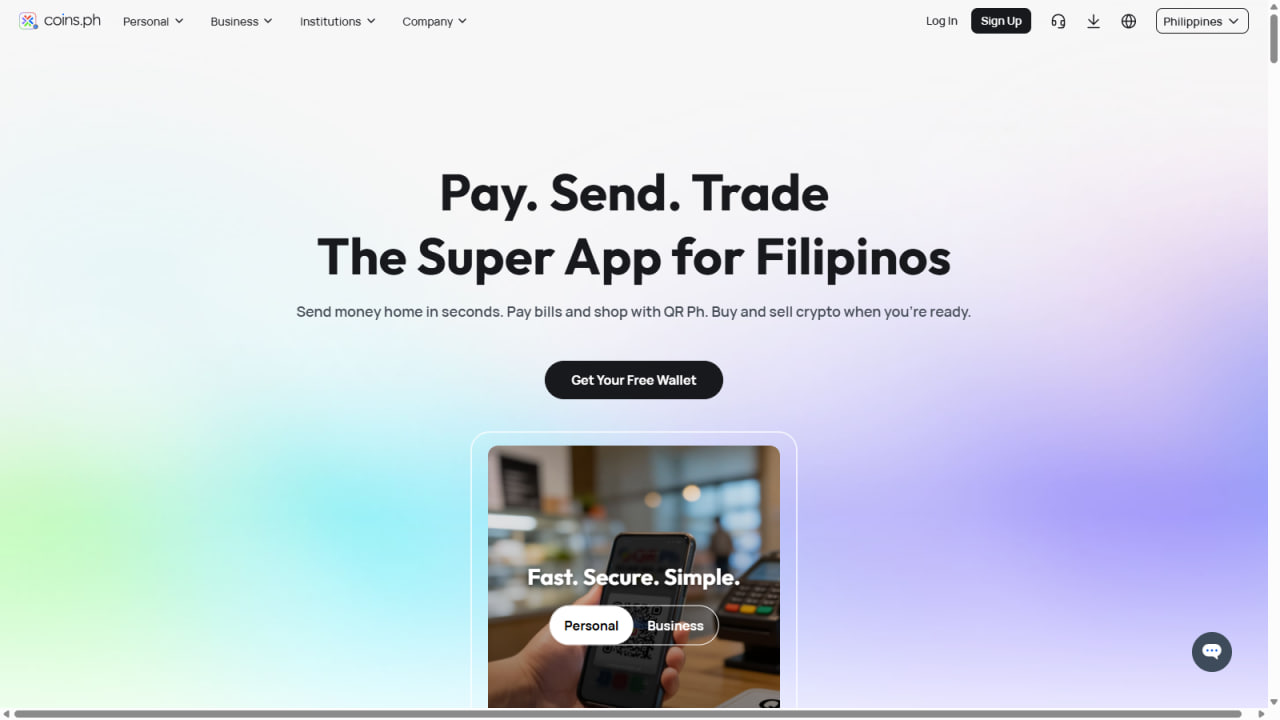
A Philippines cash-out discussion described USDT arriving in Coins.ph, conversion to PHP, and payout to a bank or GCash within seconds. Reviewed August 10, 2026, that first-hand route is useful because it identifies every handoff, although one fast transfer cannot establish a universal settlement time.
The opposite edge appears in a Coins.ph compliance-review report. A previously used whitelisted self-custody address still triggered source-of-funds questions and a multi-day processing state. The practical lesson is not to avoid verification, but to retain bank records and test the exact asset, network, destination, and amount before relying on the route.
PDAX has a clearer case for users who need an exchange account and want supported assets to remain transferable rather than only display a peso-denominated investment. That distinction matters for anyone planning to move assets to self-custody, another regulated venue, or a recipient wallet after the purchase.
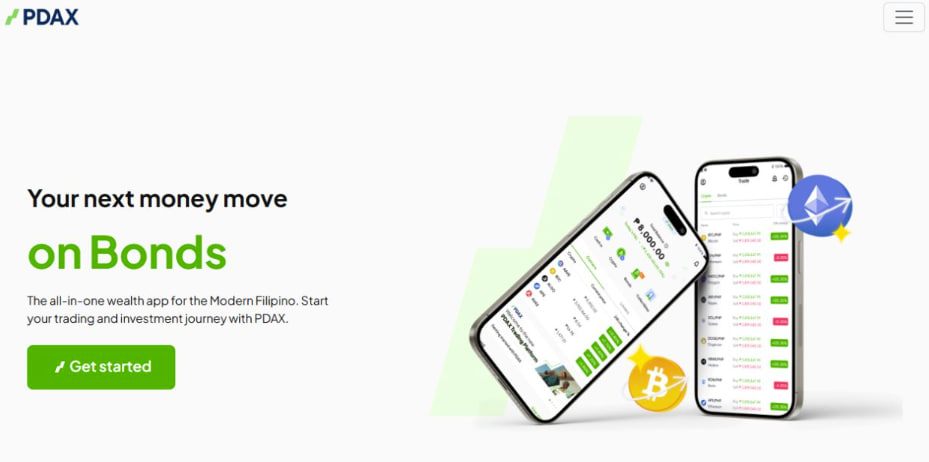
A hands-on GCrypto and PDAX review found that the product could buy, sell, send, and receive supported crypto, unlike a balance that can only be sold back inside the app. The same reviewer still preferred a deeper global venue for spreads and asset choice, which limits the claim to local access and portability rather than best execution.
Standalone PDAX and GCrypto should still be priced as separate routes. GCrypto runs inside GCash and uses the GCash balance and interface, while a direct PDAX account has its own order flow, limits, fees, and withdrawal screen. Sharing the same underlying provider does not guarantee the same quote or supported transfer on both products.
Cash-out cost can reverse the advantage. In a PDAX withdrawal discussion, users weighing a six-figure exit described crypto withdrawal fees and the extra spread created by selling to PHP and buying again elsewhere. Reviewed August 10, 2026, the discussion supports comparing one direct crypto transfer with one complete PHP cash-out before choosing the cheaper route.
Maya Crypto is easiest to understand as an investment feature inside an established wallet. Its public page advertises purchases from P100 and no transaction fees, but that wording does not establish a zero-cost round trip. An existing user should record the crypto received for a fixed peso amount and the immediate sell-back quote before treating convenience as the cheaper option.
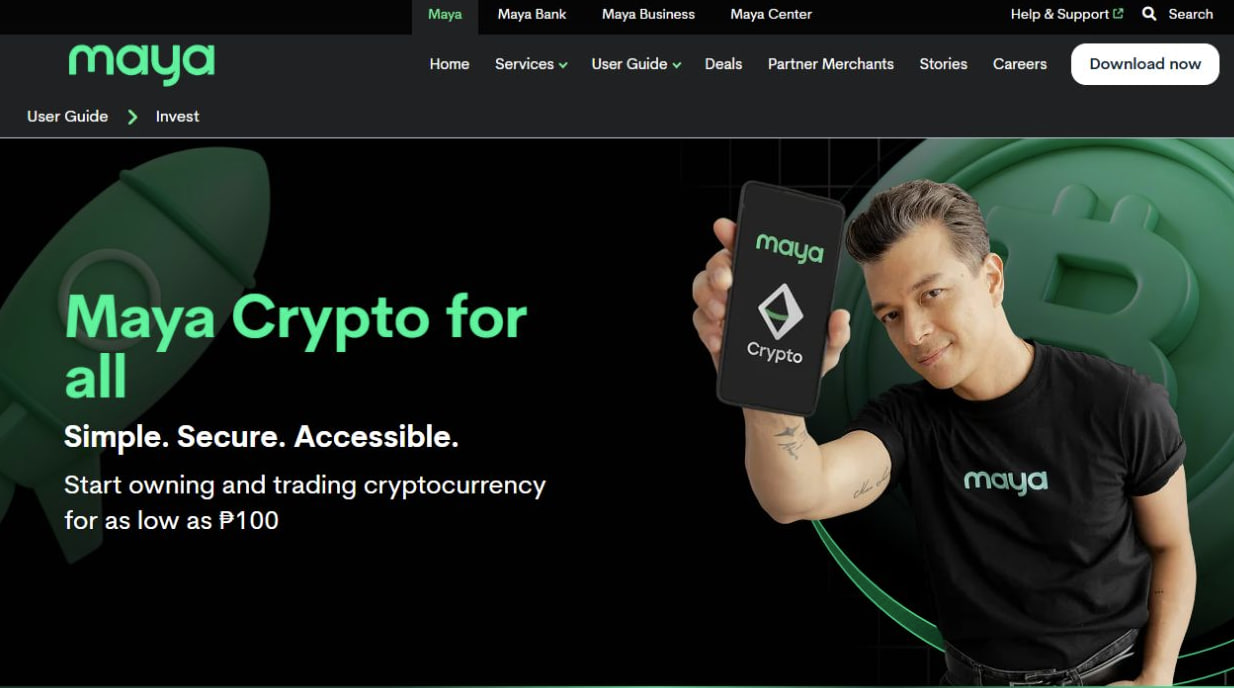
The cost problem is visible in a Maya Crypto purchase discussion. A buyer reported remaining at a loss after Bitcoin’s reference price had moved higher, while other participants pointed to the spread and the inability to transfer Bitcoin to a cold wallet. The experience was reviewed August 10, 2026 and should be treated as a prompt to record both buy and sell quotes.
A more severe Maya Crypto transaction report described an uncredited crypto balance and a prolonged support case. That report does not prove a continuing platform-wide failure, but it changes the minimum test: buy a small amount, confirm whether external withdrawal exists for that asset, sell part of it, and verify that PHP returns to the wallet.
A Philippine remittance route succeeds only when the recipient receives usable pesos through the intended bank, e-wallet, or cash-out partner. A completed blockchain transfer proves delivery to an address; it does not prove conversion price, beneficiary eligibility, payout timing, refund ownership, or access to the resulting PHP balance. The same distinction applies when comparing an exchange payout with stablecoin payment acceptance: merchant settlement and personal cash-out are different workflows.
| P30,000 baseline | Trading charge before spread and exit cost | Cash-out result that must be recorded | Stop condition |
|---|---|---|---|
| Coins Pro maker order | P30 at the published 0.10% base rate | PHP credited to the named bank or e-wallet after all charges | Payout rail, beneficiary, or source-of-funds review cannot be cleared |
| Coins Pro taker order | P45 at the published 0.15% base rate | PHP credited after the immediate market fill and withdrawal | Slippage or payout cost removes the fee advantage |
| PDAX maker/taker reference | P120 / P150 at the independently reported 0.40% / 0.50% rates | PHP credited through the selected InstaPay, PESONet, bank, or e-wallet route | Funded interface shows a different fee or the required rail is unavailable |
| Maya Crypto | No separate line-item fee; effective cost equals P30,000 minus the immediate sell-back quote | PHP returned to Maya Wallet after buying and selling the same asset | Spread is materially wider or the asset cannot follow the required withdrawal route |
For an OFW sender, the cheapest network fee can still produce the most expensive route when the receiving platform has a wide conversion spread or limited payout option. Run the comparison from a fixed sender budget to the PHP actually received, using the same timestamp and beneficiary method. Regional examples such as VND bank, P2P, and stablecoin exits show why the local cash-out leg must be measured separately from the blockchain transfer.
VASP status identifies the regulated operator, while InstaPay, PESONet, bank transfer, and e-wallet integrations determine how pesos actually move. The platform must pass both checks. A name on the BSP list does not guarantee every advertised cash-in option, and a visible payment button does not replace the operator check.
The PHP 50,000 threshold also needs careful wording. It can matter to payment-rail limits and to originator-beneficiary information requirements, but those are different controls. The account tier, participating institution, transfer type, and current terms determine the usable amount, so the article should not promise that every transaction below a single number settles instantly.
Name matching is the simplest failure to prevent. The sender, exchange account, bank account, and intended beneficiary should be identified before funds move, especially when an OFW is paying a relative rather than cashing out personally. A route that depends on a third-party account may be delayed even when the token transfer itself succeeds.
Source-of-funds evidence matters when the transfer represents salary, freelance income, or repeated overseas payments. Retain the original payment record, exchange deposit, transaction identifier, conversion receipt, and PHP payout. Those records give the recipient a coherent explanation if a bank, e-wallet, or VASP pauses the transaction for review.
The recipient should also test access with a small amount before the sender commits the full budget. Confirm that the credited PHP can be spent or withdrawn, that the recipient controls the registered phone and identity documents, and that the refund path is known. This turns remittance fit into an observable result rather than a logo comparison.
A buyer starting with P30,000 should capture the purchase quote on all three products at the same time and calculate the crypto received. The public figures above create a reproducible baseline, but they do not measure the live spread, order-book depth, network charge, bank fee, or compliance delay that determines the final result.
The next step differs by platform: withdraw the same supported asset from Coins.ph and PDAX, then record network cost and arrival time; on Maya, confirm whether that asset can leave the product or must be sold internally. Sell the remaining balance and record the PHP returned. This round trip makes Maya’s convenience, PDAX’s portability, and Coins.ph’s cash-out coverage comparable without pretending that one score fits every user.
Coins.ph has the broadest case for a PHP-first wallet and payout workflow, PDAX is stronger when supported crypto must remain transferable, and Maya fits small in-app purchases where convenience matters more than custody control. The choice should change when a funded test produces a better final-PHP result or when the required VASP entity, funding rail, external transfer, or beneficiary payout can no longer be verified.
Coins.ph has the clearest all-round case, but the answer depends on the receiving bank or e-wallet, amount, asset, and compliance review. Test the exact route with a small payout and compare final PHP received rather than relying on the displayed conversion rate.
GCrypto is powered by PDAX and can expose wallet and trading functions inside GCash, but product limits, supported assets, fees, and cash-out options can differ from the standalone PDAX experience. Verify the function in the exact interface the user will fund.
Only when the intended asset can be withdrawn to an external wallet through a supported network. If the product only permits an internal sale back to PHP, it is an investment interface rather than a route to direct key control.
Disclaimer: This article is for informational and editorial purposes only and does not constitute legal, tax, or financial advice. Terms, fees, supported countries, and onboarding requirements can change and should be confirmed with each provider before integration.